


Advertisement|Remove ads.
Don't Sue Us Unless You Own 3%: Tesla Tightens Shareholder Lawsuit Rules After Musk Pay Deal Debacle
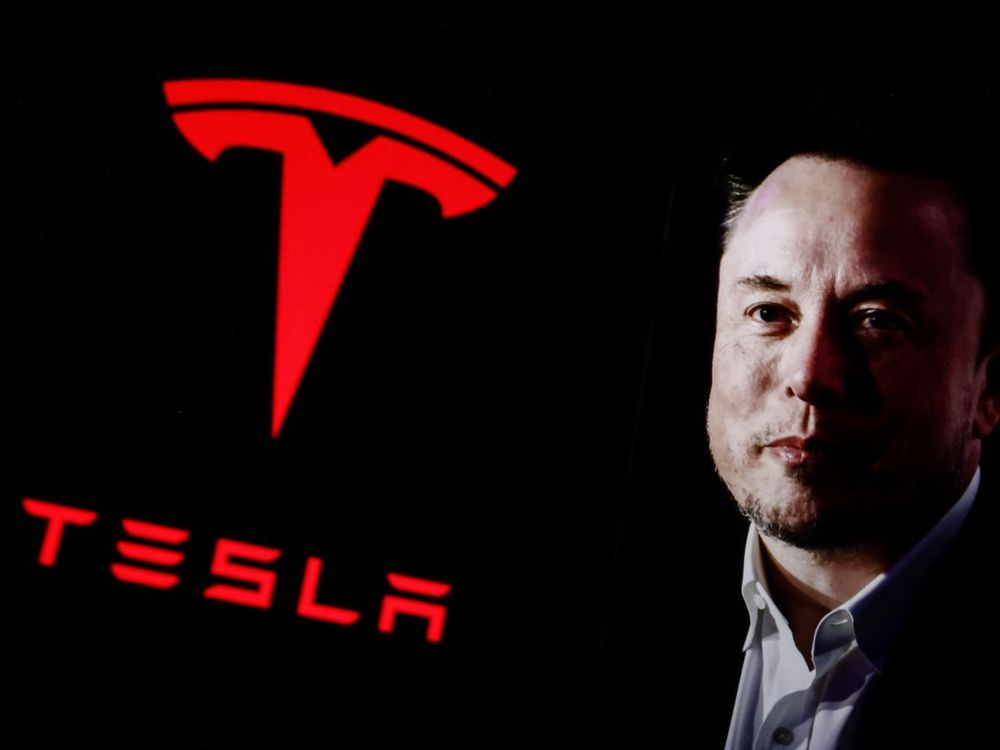


Tesla, Inc. (TSLA) has made a key tweak to its corporate bylaws, ostensibly to avoid a repeat of a previous debacle that ended up frustrating CEO Elon Musk.
The electric vehicle maker amended its corporate bylaws to significantly restrict shareholders’ ability to sue over alleged breaches of fiduciary duties, according to a regulatory filing on Friday.
According to the changes, investors must now own at least 3% of Tesla’s stock to file a derivative lawsuit, a legal action brought on behalf of the company against its executives or board members.
Advertisement|Remove ads.
The modification comes in the wake of a Delaware judge’s January 2024 ruling that voided Musk’s $56 billion compensation plan from 2018 — the largest in U.S. corporate history.
That lawsuit had been initiated by a Tesla investor who owned just nine shares of the company.
The updated threshold could prevent similar legal challenges going forward, especially as Tesla’s board reportedly reassesses Musk’s compensation.
Advertisement|Remove ads.
Last week, the Financial Times reported that a special committee is currently in the early stages of crafting a potential new pay package for Musk.
Any revised deal would be reportedly tied to performance benchmarks, including financial results, operational goals and stock price targets.
Musk’s 2018 pay package, which was under scrutiny for years, attracted scathing criticism from the Delaware Chancery judge, who said Tesla board members were “acting like supine servants of an overweening master.”
Advertisement|Remove ads.
Last year, Musk even threatened to leave Tesla unless he was granted greater control over the company, raising worries about his long-term commitment.
Tesla shares have lost over 10% this year.
For updates and corrections, email newsroom[at]stocktwits[dot]com.
Advertisement|Remove ads.
Comments posted here will also appear on symbol pages.

Latest News
/filters:format(webp)https://news.stocktwits-cdn.com/large_Getty_Images_1358625659_b011ef9a83.jpg)
/filters:format(webp)https://news.stocktwits-cdn.com/unnamed_jpg_9dff551b50.webp) Anan Ashraf·14m ago
Anan Ashraf·14m ago/filters:format(webp)https://news.stocktwits-cdn.com/large_Getty_Images_2295226888_dcdb8e346d.jpg)
/filters:format(webp)https://news.stocktwits-cdn.com/1707726834303_jpg_11f20a9aa9.webp) Shashank Nayar·2h ago
Shashank Nayar·2h ago/filters:format(webp)https://st-everywhere-cms-prod.s3.us-east-1.amazonaws.com/large_novartis_stock_resized_978faa13aa.jpg) Anan Ashraf·2h ago
Anan Ashraf·2h ago/filters:format(webp)https://news.stocktwits-cdn.com/large_Getty_Images_2240705289_c6a2c346cc.jpg) Anan Ashraf·4h ago
Anan Ashraf·4h ago/filters:format(webp)https://news.stocktwits-cdn.com/large_stock_chart_falling_resized_jpg_c0ce61eff2.webp) Shashank Nayar·4h ago
Shashank Nayar·4h ago/filters:format(webp)https://news.stocktwits-cdn.com/large_skydance_decde45b1e.jpg) Shashank Nayar·4h ago
Shashank Nayar·4h ago