


Advertisement|Remove ads.
Chamath Palihapitiya Warns AI Data Center Slowdown Could Be A ‘Disproportionate’ Blow To Anthropic And OpenAI
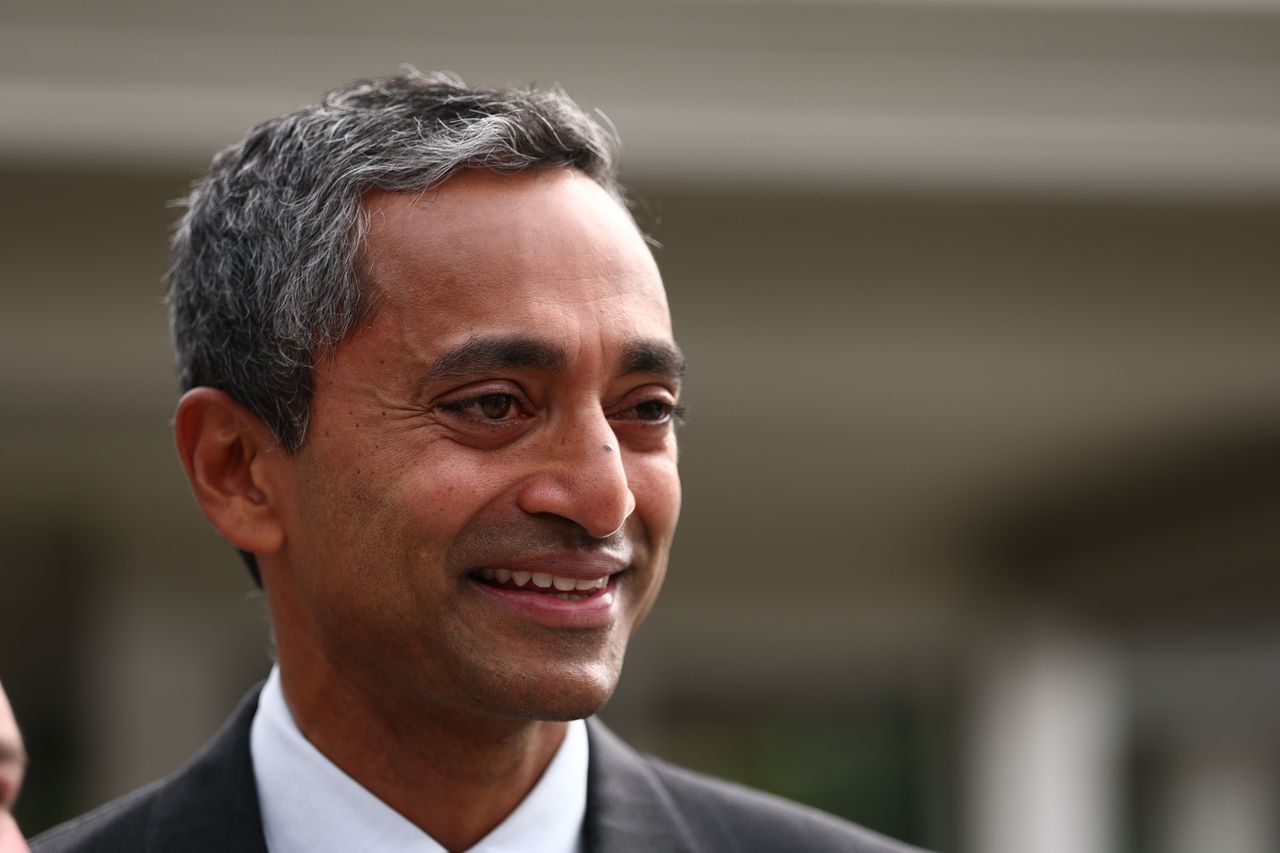


- Palihapitiya pointed to a contentious public meeting in Cochise County, Arizona, where SpaceX employees presented plans for a proposed 6-gigawatt data center.
- He added that the company's representatives outlined potential benefits, including a 40% reduction in electricity costs, no water consumption and a 20% reduction in property taxes.
- They also argued that the project could generate enough revenue to pay off a county bond, but Palihapitiya noted that the audience's reaction was overwhelmingly hostile.
Advertisement|Remove ads.
AI's massive data center buildout could be running into a new obstacle: growing resistance from local communities and incoming state governments. According to venture capitalist Chamath Palihapitiya, the consequences could extend well beyond infrastructure companies, potentially reshaping the competitive landscape for artificial intelligence.
During a recent episode of the All-In Podcast, Palihapitiya argued that tighter scrutiny of data center projects could slow the expansion of computing capacity just as leading AI companies race to improve their models and products.
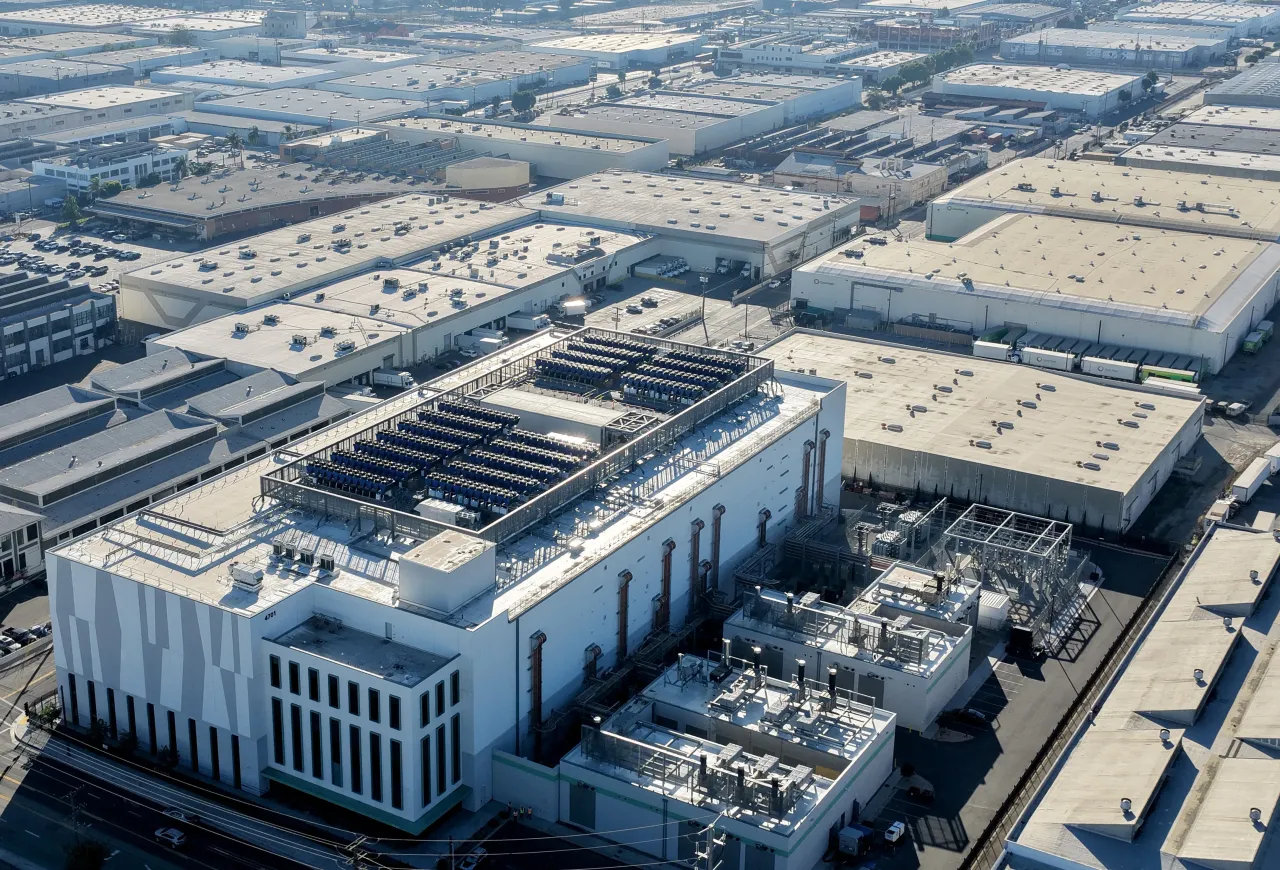
Palihapitiya Warns Data Center Backlash Could Hit AI's Biggest Players
Palihapitiya pointed to a contentious public meeting in Cochise County, Arizona, where Space Exploration Technologies Corp. (SPCX) employees presented plans for a proposed 6-gigawatt data center.
Advertisement|Remove ads.
The company's representatives outlined potential benefits, including a 40% reduction in electricity costs, no water consumption and a 20% reduction in property taxes. They also argued that the project could generate enough revenue to pay off a county bond, but the audience's reaction was overwhelmingly hostile.
"They were getting run over," Palihapitiya said, describing the meeting and arguing that opposition to data centers has become an emotional issue tied to broader economic inequality and resentment toward powerful technology companies.
He also questioned whether major technology companies really need generous tax incentives to finance projects that could generate hundreds of billions of dollars in revenue.
Advertisement|Remove ads.
"Should it really be the case that the most powerful seven or eight companies need a tax break to invest $30-$50 billion to then generate $345-$500 billion?" he asked.
Palihapitiya expects incoming governors to demand more tangible economic benefits before approving such projects, potentially slowing the pace of new data center construction. He believes this could create a very different set of winners and losers across the AI industry.
Google Could Gain As Anthropic And OpenAI Face Compute Pressure
Palihapitiya argued that a slowdown in new data center capacity would disproportionately hurt neocloud companies and foundational AI model developers.
Advertisement|Remove ads.
He said that hyperscalers such as Alphabet Inc.’s (GOOG, GOOGL) Google, Microsoft Corp. (MSFT) and Amazon.com Inc. (AMZN) already have substantial computing infrastructure and additional capacity coming online.
Neocloud companies like CoreWeave Inc. (CRWV), Iren Ltd. (IREN) and Nebius Group NV (NBIS), meanwhile, largely rent out computing resources, while companies such as Anthropic and OpenAI depend heavily on external infrastructure to train and run increasingly powerful models.
"If you constrain the amount of assets that can actually generate compute... those leading companies will have to pay more," he said.
Advertisement|Remove ads.
That could also give hyperscalers an incentive to prioritize their own AI products rather than rent computing capacity to competitors.
Palihapitiya offered Google as an example, suggesting the company could direct more of its upcoming computing capacity toward Gemini instead of making it available to external customers.
"What does that do? It actually allows Gemini to catch up in quality relative to the foundational models," he said.
Advertisement|Remove ads.
Palihapitiya added that the implications could be significant for OpenAI and Anthropic, which are reportedly operating on 60-to-90-day cycles to improve their models.
With less computing capacity available, their development pace could slow, giving competitors more time to close the gap.
In Palihapitiya's view, the infrastructure crunch could become a competitive advantage for companies that already control their own computing resources and a serious setback for AI developers that depend on renting them.
Advertisement|Remove ads.
During the after-hours session on Friday, the SPDR S&P 500 ETF (SPY), which tracks the S&P 500 index, gained 0.17%; the Invesco QQQ Trust ETF (QQQ) rose 0.21%; and the SPDR Dow Jones Industrial Average ETF Trust (DIA) edged up by 0.06%. Retail sentiment on Stocktwits toward the S&P 500 ETF was in the ‘bearish’ territory at the time of writing.
The Global X Artificial Intelligence & Technology ETF (AIQ) rose 1.32% on Friday, while the iShares U.S. Technology ETF (IYW) gained 1.31%.
Also See: The AI Buildout Has A New Problem, And It’s Not Nvidia — JPMorgan Sounds Alarm
Advertisement|Remove ads.
For updates and corrections, email newsroom[at]stocktwits[dot]com.
Comments posted here will also appear on symbol pages.

Latest News
 Stocktwits News Desk·18m ago
 Stocktwits News Desk·1h ago
 Stocktwits News Desk·3h ago
 Stocktwits News Desk·20h ago

 Anushka Basu·21h ago
 Stocktwits News Desk·21h ago