


Advertisement|Remove ads.
Dan Ives Calls Anthropic’s Likely Junk Rating A ‘Gut Punch,’ Says IPO Valuation Could Fall Below $1.5 Trillion
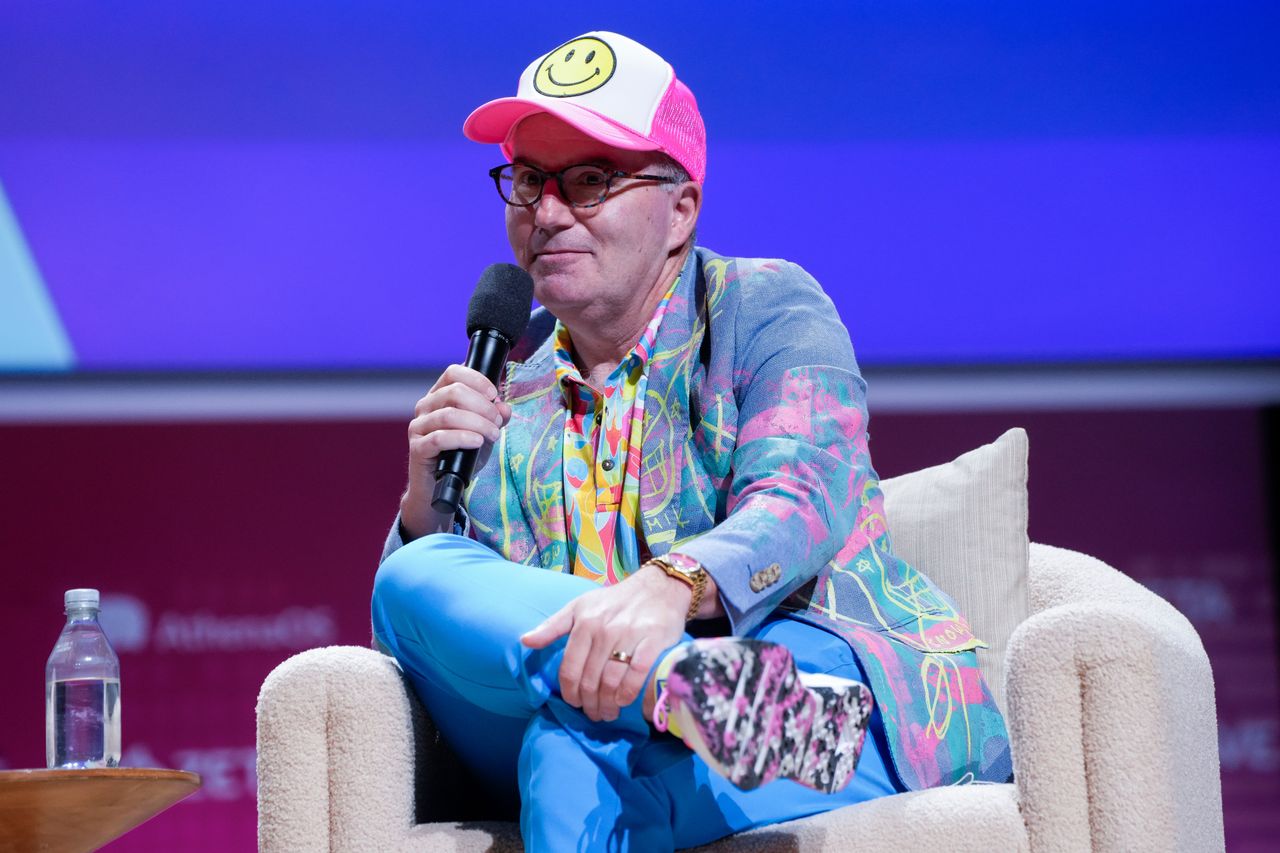


- In an interview with Bloomberg, Ives said the junk rating is likely to make it “tougher” for Anthropic to raise funds for its nearly $900 billion in commitments through to 2045.
- He added that investors are becoming less willing to tolerate heavy AI spending without evidence that it will generate revenue.
- The tech bull said he sees chip stocks falling another 10% to 12%.
Advertisement|Remove ads.
Yorkville Advisors partner and managing director Dan Ives on Tuesday called the prospect of Anthropic (ANT) receiving a below-investment-grade credit rating “a bit of a gut punch,” and that the Claude-maker’s valuation could fall below $1.5 trillion by mid-November.
“The investment grade.. that’s something of a gut punch,” Ives said in an interview with Bloomberg. His comments came after the Financial Times reported last week that Blackstone told investors the company was likely to receive a rating in the double-B range after its IPO, which would put it below investment grade, in a category commonly known as “junk.”
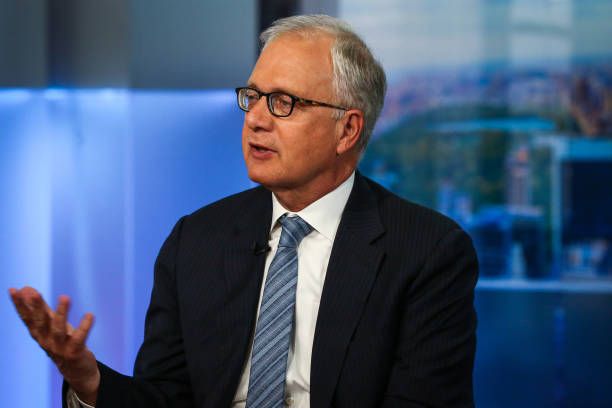
On Stocktwits, retail sentiment around ANT stock, yet to go public, trended in ‘bearish’ territory at the time of writing.
Advertisement|Remove ads.
It Could Be ‘Tougher’ For Anthropic To Raise Funds
Anthropic’s amended IPO filing, released on Monday, disclosed $895.4 billion in commitments, largely tied to computing capacity and data centers. About $447.5 billion of those commitments are expected to come in before the end of 2030.
A below-investment-grade rating typically means higher borrowing costs and can limit demand from bond funds that face restrictions on holding lower-rated debt. That could make it more expensive for Anthropic to finance its commitments.
“I think it will be tougher,” Ives said on whether the investment rating could make it harder for Anthropic to meet those obligations.
Advertisement|Remove ads.
Anthropic’s IPO Valuation Could Fall Lower
Amazon (AMZN)-backed Anthropic, the maker of Claude, has reportedly seen its target IPO valuation fall from roughly $2 trillion to between $1.5 trillion and $1.6 trillion. Ives said the lower range may not be the bottom, given how much capital the company is expected to need.
“The amount of capital that they’re going to need to raise, and you could call it 1.5, is maybe baseline to what probably could even go lower by mid-November,” he stated.
Ives Sees More Pressure On Chip Stocks
Ives said uncertainty around Anthropic had weighed on technology stocks because the company is central to the AI ecosystem, with ties to major chipmakers and cloud providers.
Advertisement|Remove ads.
“I think that definitely put pressure on the tech trade because Anthropic, it’s foundational to the AI revolution. No matter which way you cut it, from Nvidia to Microsoft to Amazon to everything,” he said. “So, the tech trade needs this to go public.”
He also warned that semiconductor stocks could face further losses after their recent decline. According to him, the Philadelphia Semiconductor Index (SOX) could drop “another 10 to 12%.”
Oracle Is The ‘Poster Child’ For AI Borrowing Risk
Ives added that investors are becoming less willing to tolerate heavy AI spending without evidence that it will generate revenue. Companies that may once have had 12 to 18 months to demonstrate returns could now have just six to nine months, he said.
Advertisement|Remove ads.
Ives said the industry may need to impose limits on borrowing and data-center expansion, pointing to Oracle (ORCL) as a potential example. “I think there’s a line in the sand. I think Oracle would probably be more the poster child,” he said. Companies may need to decide how much capital they are willing to raise and stick to that limit, he added.
ORCL stock was down around 1.5% in pre-market trade, extending its decline after the company announced a $20 billion fundraising plan on Monday.
The stock was also among the top trending tickers on Stockwits at the time of writing. Retail sentiment around the stock continued to trend in ‘bullish’ territory over the past day, with chatter rising to ‘extremely high’ from ‘high’ levels. Platform data showed an over 2,000% rise in message volume.
Advertisement|Remove ads.
Ives named Microsoft (MSFT) and Alphabet (GOOG, GOOGL) as companies he believes could be better positioned to navigate that pressure of funding AI infrastructure without undermining their established businesses.
Read also: AMD, Nvidia Could Join Tesla On Samsung’s Texas Chip Plant Customer List: Report
For updates and corrections, email newsroom[at]stocktwits[dot]com.
Advertisement|Remove ads.
Comments posted here will also appear on symbol pages.

Latest News
 Harshita Tyagi·50m ago
 Prabhjote Gill·59m ago

 Arnab Paul·1h ago

 Anushka Basu·2h ago
 Prabhjote Gill·2h ago
 Harshita Tyagi·2h ago