


Advertisement|Remove ads.
Fed's Williams Sees ‘Encouraging Signs’ That Inflation Has Likely Peaked, But Flags AI-Driven Price Pressures
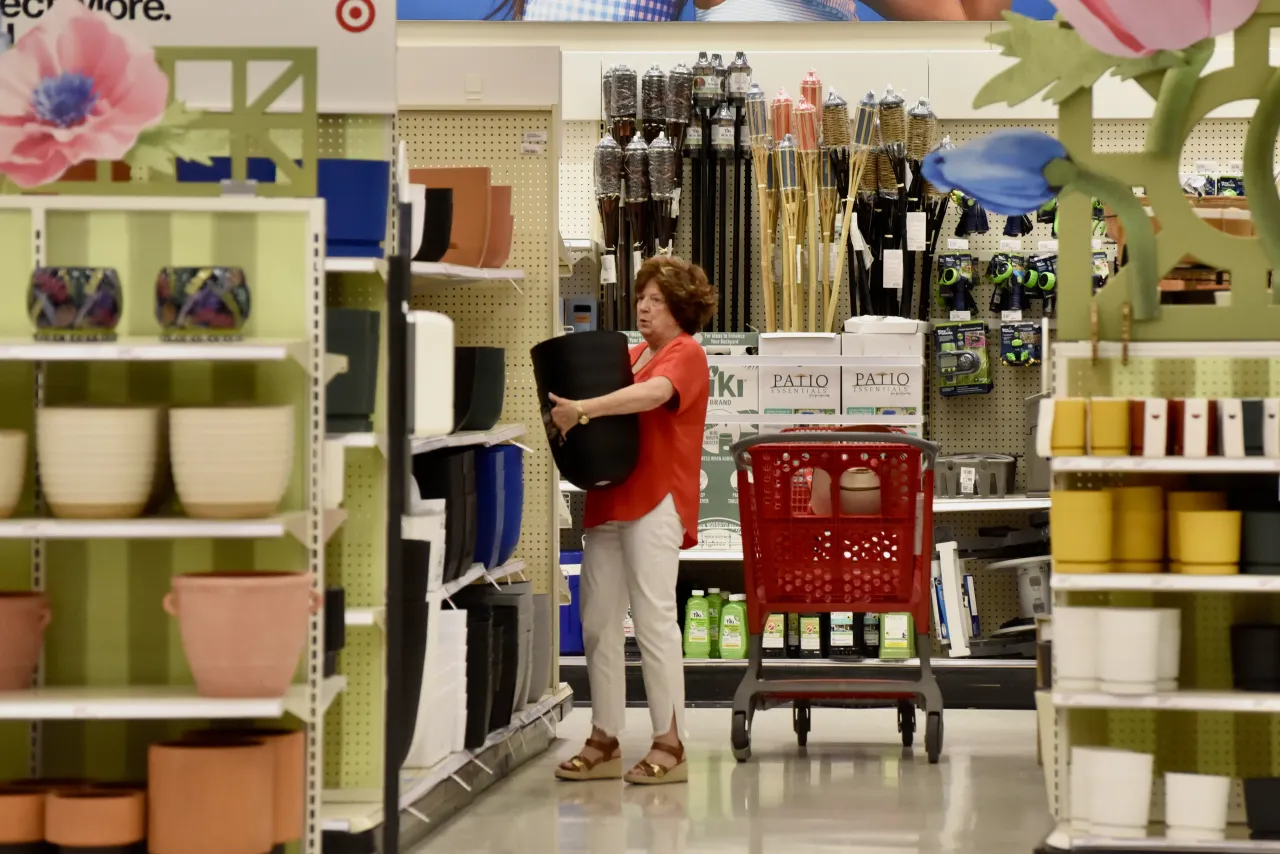


- Williams said inflation remains "unquestionably too high" at about 4%, but expects it to ease as tariff effects fade, shelter inflation cools, energy prices stabilize and AI-related supply constraints gradually ease.
- He also pointed to the labor market as a source of confidence, saying wage growth and other employment indicators do not suggest mounting inflationary pressures.
- Williams added that medium- and longer-term inflation expectations remain well anchored, reinforcing his view that price growth should continue moving toward the Fed's 2% target over the next several years.
Advertisement|Remove ads.
Federal Reserve Bank of New York President John Williams said on Wednesday that he sees “encouraging signs” that inflation has likely peaked and should gradually ease in the coming quarters.
Speaking at the Partnership for New York City, Williams also warned that the ongoing AI investment boom is continuing to create supply-demand imbalances that are keeping prices elevated in parts of the economy.
“I expect overall inflation to decline to around 3.25% by year-end, then continue on a glide path toward our 2% goal in 2027 and land on target in 2028,” he said.
Advertisement|Remove ads.
Inflation ‘Unquestionably Too High,’ Says Williams
Williams said inflation remains "unquestionably too high" at about 4%, though he expects it to move lower as the effects of existing tariffs fade, shelter inflation continues to cool, energy prices stabilize and AI-related supply constraints gradually ease.
Williams also pointed to the labor market as a source of confidence, saying wage growth and other employment indicators do not suggest mounting inflationary pressures.
He added that medium- and longer-term inflation expectations remain well anchored, reinforcing his view that price growth should continue moving toward the Fed's 2% target over the next several years.
Advertisement|Remove ads.
Williams’ comments come amid a surge in the Personal Consumption Expenditures (PCE) Index, which came in at 4.1% in May on an annualized basis, the highest level since April 2023.
Williams Believes AI Boom Is Driving New Inflation Pressures
Williams said robust investment tied to AI is creating a mismatch between supply and demand for key technologies. While he expects AI investments to support stronger productivity over the long term, Williams said demand is currently outpacing available supply in several categories.
He said the imbalance has driven sharp price increases for semiconductors, power transformers and other equipment essential to AI infrastructure. Because those inputs are also used across the broader economy, the higher costs are beginning to feed into prices paid by consumers and businesses.
Advertisement|Remove ads.
Williams said these supply-demand imbalances should gradually ease as more manufacturing capacity comes online, but cautioned that both their magnitude and duration remain highly uncertain.
Even so, he said the current stance of monetary policy is well positioned to guide inflation back toward the Fed's 2% target over time.
However, data from the CME FedWatch tool shows that there are 46.3% odds in favor of a 25 basis point rate hike for the first time in October this year.
Advertisement|Remove ads.
At the time of writing, the SPDR S&P 500 ETF (SPY), which tracks the S&P 500 index, gained 0.42%; the Invesco QQQ Trust ETF (QQQ) was up 0.26%; and the SPDR Dow Jones Industrial Average ETF Trust (DIA) rose 0.35%. Retail sentiment on Stocktwits regarding the S&P 500 ETF was in ‘bullish’ territory.
Also See: UMAC Stock Might See A 110% Rise From Current Levels, Says Analyst – What’s Driving The Bull Case?
For updates and corrections, email newsroom[at]stocktwits[dot]com.
Advertisement|Remove ads.
Comments posted here will also appear on symbol pages.

Latest News
/filters:format(webp)https://news.stocktwits-cdn.com/Getty_Images_2228900888_jpg_338103de79.webp)
/filters:format(webp)https://news.stocktwits-cdn.com/Anushka_Basu_make_me_smile_in_the_picture_b92832aa_af59_4141_aacc_4180d2241ba8_1_2_png_1086e0ed8c.webp) Anushka Basu·5h ago
Anushka Basu·5h ago/filters:format(webp)https://news.stocktwits-cdn.com/large_Getty_Images_1767602875_jpg_db2e050c08.webp) Anushka Basu·6h ago
Anushka Basu·6h ago/filters:format(webp)https://news.stocktwits-cdn.com/large_new_york_stock_exchange_jpg_e1f85c0d8c.webp)
/filters:format(webp)https://st-everywhere-cms-prod.s3.us-east-1.amazonaws.com/i_OS_App_Icon_1_8054f2a2fe.png) Stocktwits News Desk·6h ago
Stocktwits News Desk·6h ago/filters:format(webp)https://news.stocktwits-cdn.com/large_grayscale_OG_jpg_c35dc5b1a2.webp) Anushka Basu·7h ago
Anushka Basu·7h ago/filters:format(webp)https://news.stocktwits-cdn.com/large_Google_Office_in_New_York_City_2ff844002a.jpg) Stocktwits News Desk·7h ago
Stocktwits News Desk·7h ago/filters:format(webp)https://news.stocktwits-cdn.com/large_mark_rubio_original_jpg_1e75e0c7f2.webp) Stocktwits News Desk·8h ago
Stocktwits News Desk·8h ago