


Advertisement|Remove ads.
What's Hurting Nike? Fading Basketball Clout, No Catalysts, Lack Of Innovation Top Wall Street's Concern List


- Nike analysts are increasingly doubtful that CEO Elliott Hill can revive growth quickly enough.
- UBS warned that basketball may no longer be the cultural engine it once was for Nike.
- Multiple analyst downgrades cite weak innovation, softer demand in China and Europe, among other factors.
Advertisement|Remove ads.
Nike, Inc.'s stock is down about 30% this year, already on course for its worst annual performance since 1997, and Wall Street is growing increasingly skeptical whether the promised turnaround will arrive soon enough to matter.
Shares got a brief lift on Tuesday after CEO Elliott Hill and board director Tim Cook (also Apple's CEO) made insider purchases totaling over $2 million. Hill last boosted his Nike stake in September 2025, while Cook did so in December, per Koyfin data.
But Nike’s stock remains near lows last seen over a decade ago, still weighed down by the highly selective purchasing by inflation-weary consumers, tariff pressures, struggles in China, and a sportswear segment that has yet to find its footing, all roughly 18 months into Hill's tenure.
Advertisement|Remove ads.
Nike is also trying hard to offload stockpiles of throwback casual sneakers that have reportedly fallen out of favor. Some bright spots, such as a rebound in the North America business and gains in its running segment, have not been enough to boost investor conviction.
UBS Flags Two Structural Concerns With Nike
In a note on Tuesday, UBS analysts pointed to two deeper worries that go beyond near-term headwinds.
Advertisement|Remove ads.
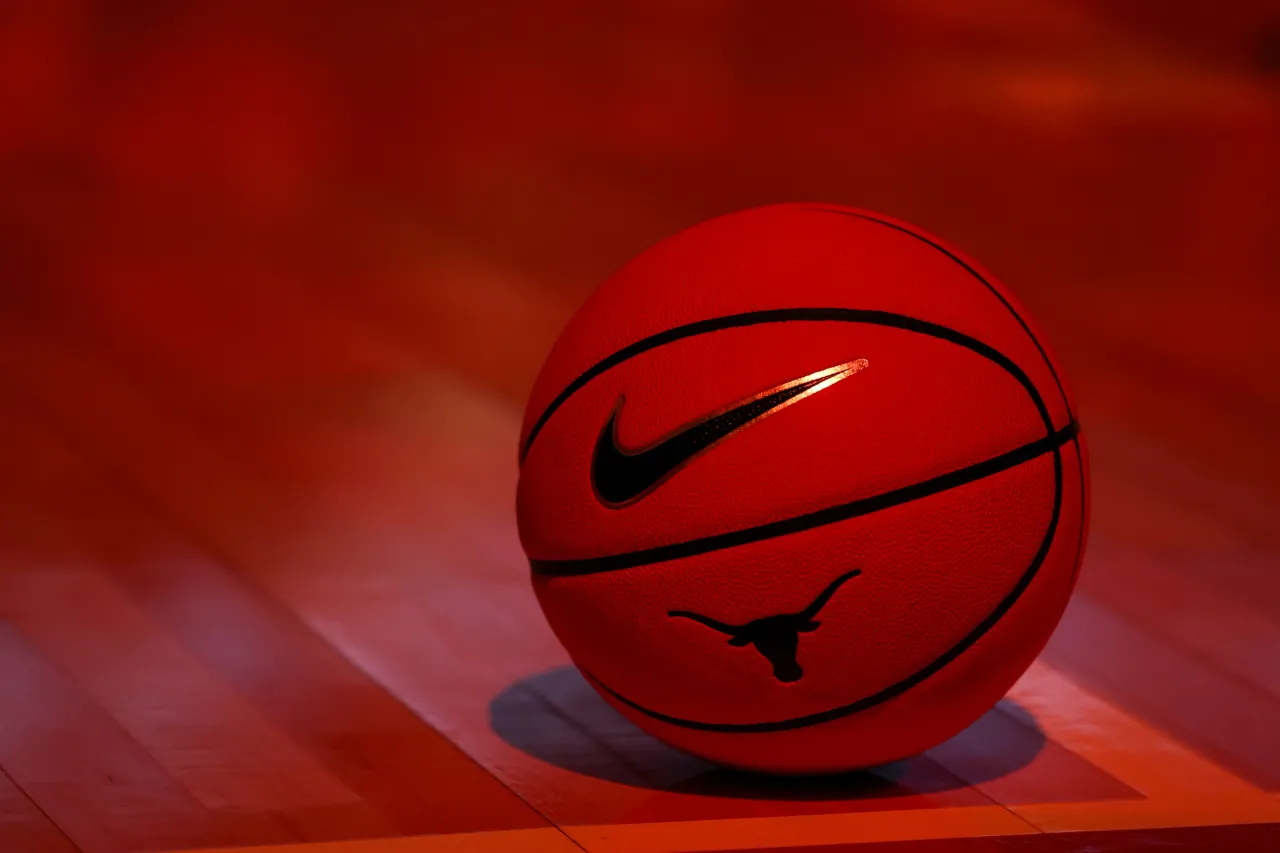
The first is basketball. Nike's cultural dominance has historically been built on the sport, through iconic partnerships with Michael Jordan, Kobe Bryant, and LeBron James. Still, that foundation may be eroding, according to the analysts. NBA Finals TV ratings have been lackluster in recent years, and college basketball is producing fewer breakout stars than it once did, according to UBS. "Nike's superpower is based in part on being able to maintain an image of being the best sports brand despite selling a lot of commodity products," the analysts wrote. "Basketball was a vehicle for being able to do that. It's unclear whether Nike can use basketball in the same way today."
The second concern is a bit broader. Nike may be losing the cross-demographic appeal that made it uniquely powerful as a brand. For decades, the company commanded prestige across age, gender, income, and geography, selling billions in lower-priced products while still being recognized as the world's most aspirational sportswear brand. "No other brand could do this," the analysts noted. But a growing share of Nike's volume is now coming from lower-end channels, prompting UBS to ask whether the brand’s premium positioning and its ability to connect with high-income consumers are quietly eroding.
Nike Downgrades Keep Coming
On Monday, HSBC analyst Erwan Rambourg downgraded Nike to 'Hold' from 'Buy,' slashing his price target to $48 from $90, according to a summary of the note on The Fly. The firm called the turnaround a "show me story with no short-term catalysts," citing persistent weakness in the Converse brand, China, EMEA, and sportswear, and flagging limited visibility as a key reason for the downgrade.
Advertisement|Remove ads.
Last week, Piper Sandler cut its rating to 'Neutral' from 'Overweight' and lowered its price target to $50 from $60 following fiscal third-quarter results. The firm raised concerns that athleisure is becoming "too saturated across the industry, with frequency metrics at peakish levels," and argued that Nike lacks sufficient innovation to fill the volume gap left by the decline of its classics division.
Last week, the Wall Street Journal reported that chief innovation officer Tony Bignell is leaving Nike after less than a year in the role. His departure marks the third time an innovation chief has left the company in under three years.
Where Wall Street And Retail Stand On NKE
Despite the string of downgrades, Wall Street has not turned outright bearish. Of 39 analysts covering NKE, 18 rate it 'Buy' or 'Strong Buy' and 19 rate it 'Hold,' per Koyfin. The average price target implies the stock is still trading at a 41% discount to fair value.
Advertisement|Remove ads.
Retail traders on Stocktwits have grown more optimistic over the past year, with sentiment rising from 'neutral' to 'bullish' and message volume surging by more than 340% in that period. The ticker's follower count has also grown by more than 5% for the large-cap stock.
One user suggested a potential rebound based on technical factors. “$NKE sitting on $41-42 support from 2015-2016 and trading at the bottom of a massive wedge on the monthly chart. It's now or never,” the post said.
Advertisement|Remove ads.
Another pinned hopes on the 2026 FIFA World Cup 2026, jointly hosted by the United States, Canada and Mexico, starting in June. “Patient, the World Cup is coming; this is a big catalyst. See you in one month when the FOMO will strike,” the user said.
On Nike’s latest earnings call, CEO Hill said the company would use the upcoming soccer World Cup as “an opportunity to catalyze the football marketplace for quarters to come.”
Advertisement|Remove ads.
For updates and corrections, email newsroom[at]stocktwits[dot]com.
Read Next: Why Did AVGO Stock Jump Over 3% In After-Hours Trading Today?
Comments posted here will also appear on symbol pages.

Latest News
/filters:format(webp)https://news.stocktwits-cdn.com/large_Getty_Images_2289541791_6662900289.jpg)
/filters:format(webp)https://news.stocktwits-cdn.com/Anushka_Basu_make_me_smile_in_the_picture_b92832aa_af59_4141_aacc_4180d2241ba8_1_2_png_1086e0ed8c.webp) Anushka Basu·5h ago
Anushka Basu·5h ago/filters:format(webp)https://news.stocktwits-cdn.com/large_Getty_Images_2294430499_0d057763de.jpg) Anushka Basu·6h ago
Anushka Basu·6h ago/filters:format(webp)https://news.stocktwits-cdn.com/large_Getty_Images_2158420092_f09c708027.jpg) Anushka Basu·8h ago
Anushka Basu·8h ago/filters:format(webp)https://news.stocktwits-cdn.com/large_circle_stablecoins_original_jpg_b238d12be8.webp) Anushka Basu·9h ago
Anushka Basu·9h ago/filters:format(webp)https://news.stocktwits-cdn.com/large_Getty_Images_2161009632_81a55c17a0.jpg) Anushka Basu·11h ago
Anushka Basu·11h ago/filters:format(webp)https://news.stocktwits-cdn.com/large_Getty_Images_2272038864_17f1eb3056.jpg) Anushka Basu·13h ago
Anushka Basu·13h ago