


Advertisement|Remove ads.
Weeks Ahead Of Expected Anthropic IPO, DeepSeek Launches Autonomous Coding Agent To Take On Claude Code
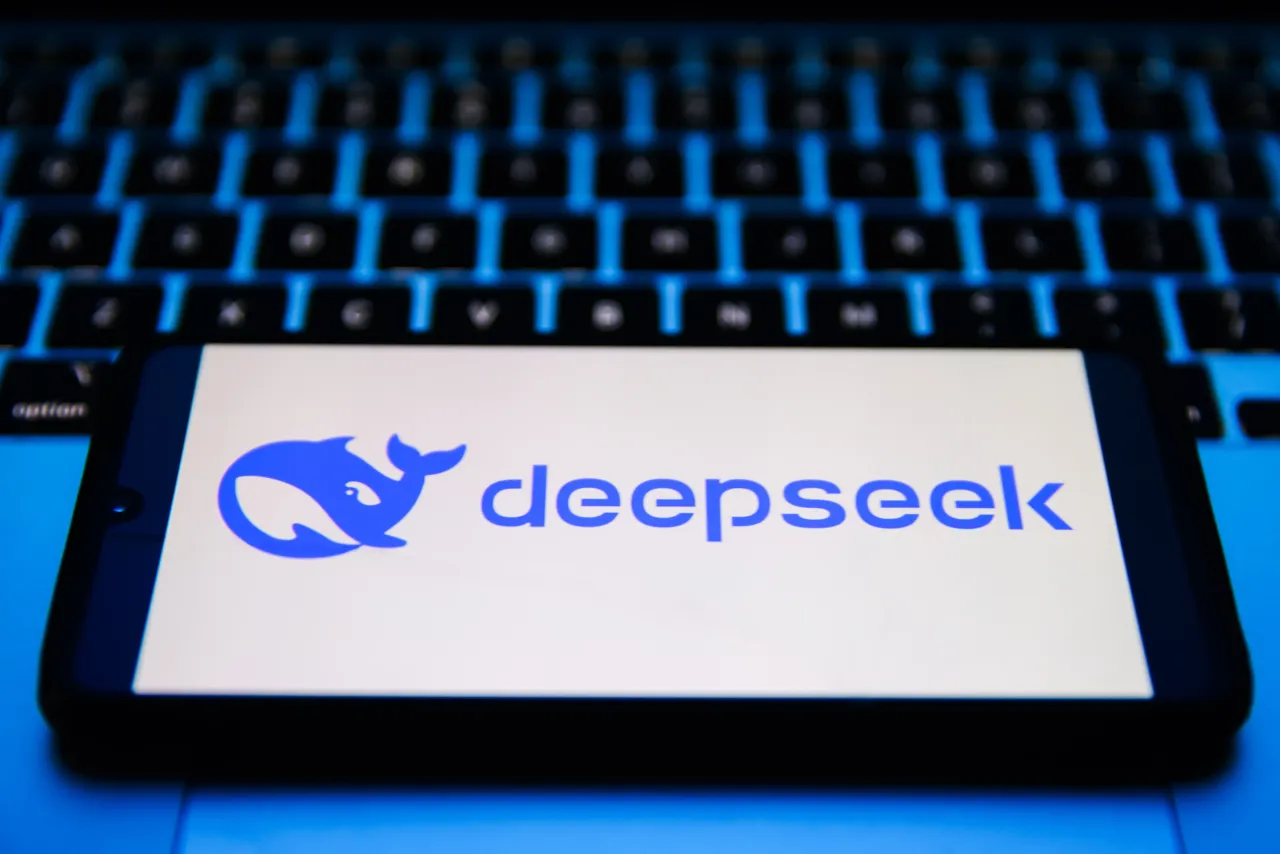


- DeepSeek noted in a post on Weibo that the key difference between its “Super-Agent” and other coding agents is autonomy.
- Traditional coding agents largely operate within individual sessions, wherein a developer gives an instruction, the agent works on it and then waits for the next command.
- DeepSeek argued that this model makes human attention, rather than model capability, the bottleneck when multiple tasks are running simultaneously.
Advertisement|Remove ads.
DeepSeek is taking aim at Anthropic’s Claude Code with a more autonomous approach to AI-powered software development, unveiling a prototype that can monitor developer conversations, identify coding problems and work toward fixes without waiting to be prompted.
The open-source “Super-Agent” concept, developed by DeepSeek’s Harness team, is designed to keep working across group chats, GitHub and other developer tools while maintaining context across tasks.

DeepSeek’s Coding Agent Doesn’t Wait For Instructions
DeepSeek noted in a post on Weibo that the key difference between its “Super-Agent” and other coding agents is autonomy. Traditional coding agents largely operate within individual sessions, wherein a developer gives an instruction, the agent works on it and then waits for the next command.
Advertisement|Remove ads.
DeepSeek argued that this model makes human attention, rather than model capability, the bottleneck when multiple tasks are running simultaneously.
The AI developer stated that its “Super-Agent” architecture is designed to break that limitation. Instead of tying an agent to a single conversation, DeepSeek separates the system into a Router layer and multiple Worker sessions. The Router maintains the broader context and handles communication, while individual Workers execute separate coding tasks in parallel.
The firm said that this allows the same agent to follow a task as it moves between different channels. DeepSeek added that an internal version can track a development issue from an instant-messaging conversation into GitHub, while also monitoring public developer discussions for new information.
Advertisement|Remove ads.
DeepSeek also touted its “Super-Agent” concept’s proactive capabilities. If someone reports a bug in a group chat, the agent can identify the issue, attempt to reproduce it and submit a pull request if it finds a solution, without being explicitly tagged or summoned by any user.
DeepSeek’s Anthropic Challenge Comes At A Key Time
The timing of DeepSeek’s “Super-Agent” launch comes at a crucial time, with Anthropic expected to launch its IPO roadshow later this month after having filed its S-1 registration statement with the U.S. Securities and Exchange Commission (SEC) in late October.
Amid this, a report by The Financial Times stated that according to Blackstone, Anthropic may not secure an investment-grade rating immediately after going public.
Advertisement|Remove ads.
Yorkville Ives partner Dan Ives described it as a “perfect storm moment” for Anthropic, saying that it’s the “last thing” investors want to see. NYU Stern School of Business professor and “Dean of Valuation” Aswath Damodaran said that the market environment could be particularly important for Anthropic’s IPO because of the role that sentiment plays in new listings.
During the after-hours session on Friday, the SPDR S&P 500 ETF (SPY), which tracks the S&P 500 index, declined 1.77%; the Invesco QQQ Trust ETF (QQQ) fell 3.47%; and the SPDR Dow Jones Industrial Average ETF Trust (DIA) closed lower by 1.07%. Retail sentiment on Stocktwits toward the S&P 500 ETF was in the ‘bullish’ territory at the time of writing.
The Global X Artificial Intelligence & Technology ETF (AIQ) fell about 4.45% on Friday, while the iShares U.S. Technology ETF (IYW) fell nearly 4.33%.
Advertisement|Remove ads.
Also See: Bitcoin Looks Like A 'Relative Dud' Against Gold And US Treasuries, Says Bloomberg's Mike McGlone
For updates and corrections, email newsroom[at]stocktwits[dot]com.
Comments posted here will also appear on symbol pages.

Latest News
 Stocktwits News Desk·53m ago

 Anushka Basu·17h ago
 Anushka Basu·18h ago
 Anushka Basu·18h ago
 Anushka Basu·19h ago
 Anushka Basu·21h ago