


Advertisement|Remove ads.
Fed's Goolsbee Warns Stubborn Inflation Could Force More Aggressive Rate Hikes — 'We're Not On Path Back To 2%'
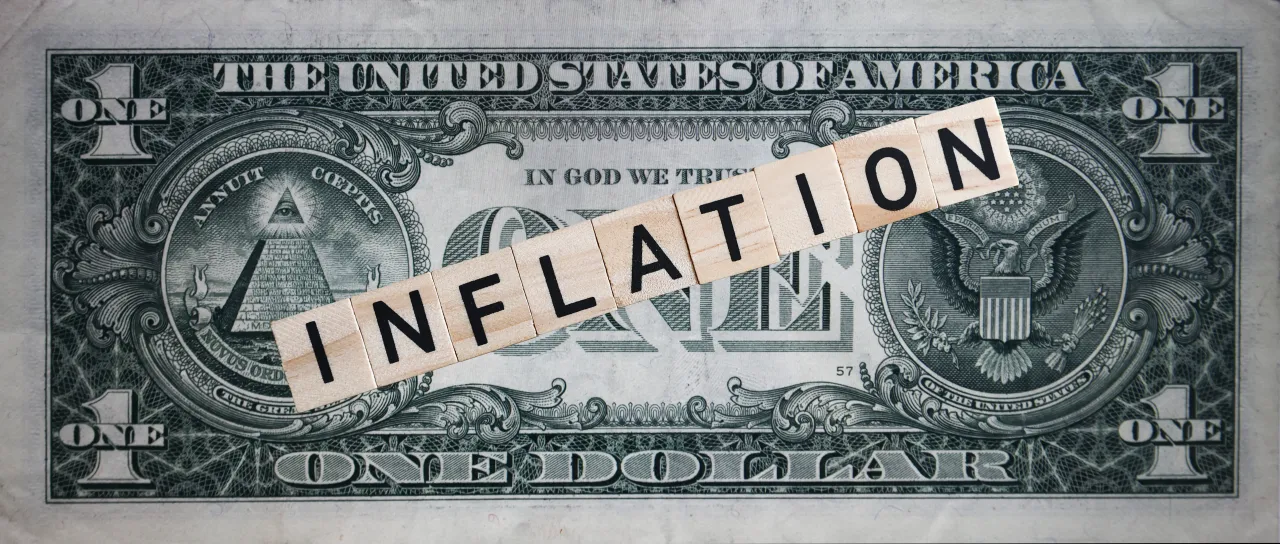


- Goolsbee said inflationary pressures have persisted across several parts of the economy, including categories that cannot be easily explained by higher oil prices or tariffs.
- He flagged services inflation and elevated healthcare costs, arguing that they are unlikely to ease simply because energy prices decline.
- Goolsbee stopped short of committing to a specific rate decision, but made clear that the inflation trajectory would determine how aggressively the Fed needs to act.
Advertisement|Remove ads.
Federal Reserve Bank of Chicago President Austan Goolsbee on Friday warned that persistent inflation could leave the central bank with little choice but to take a more aggressive approach to interest rates.
During an interview with CNBC, Goolsbee said inflation is proving more persistent than policymakers had anticipated, raising concerns about the Fed's ability to bring it back to its 2% target.
Services Inflation, Health Care Costs Raise Red Flags
Goolsbee said inflationary pressures have persisted across several parts of the economy, including categories that cannot be easily explained by higher oil prices or tariffs.
Advertisement|Remove ads.
“If you look at how broad based the inflation is, it’s not just that we’re above the target and have been for some time. It’s that in categories that are not driven by oil prices and not driven by tariffs, you’re still seeing stalled progress and in some cases going the wrong way,” he said, while noting that there were some signs of trouble now for several months in a row.
Goolsbee flagged services inflation and elevated healthcare costs, arguing that they are unlikely to ease simply because energy prices decline.
“For me, keeping an eye on services inflation, which probably is not coming from tariffs or oil, is are some of the more troubling aspects of the inflation reports we’ve been getting for the last several months,” he said.
Advertisement|Remove ads.
Goolsbee also cautioned against interpreting wage growth as an early warning sign of inflation, saying it tends to follow price increases rather than precede them.
“Wage growth is not a leading indicator of inflation. It’s actually a lagging indicator of inflation,” he said.
Goolsbee Says Fed Could Become More Aggressive On Rates
Goolsbee stopped short of committing to a specific rate decision, but made clear that the inflation trajectory would determine how aggressively the Fed needs to act.
Advertisement|Remove ads.
“If we continue to get stalled progress or even reverse progress, regress on inflation, then that’s a totally different kettle of fish,” he said.
He also highlighted the AI data center buildout as a potential source of demand-driven inflation, pointing to rising construction costs, expensive computer chips and shortages of skilled workers.
“The good news is, if you’re right in the dynamic, the overheating plays down. I think you would see that pretty quickly,” Goolsbee said, while cautioning that demand overheating can be difficult to reverse once it takes hold.
Advertisement|Remove ads.
He added that the Fed's response would depend on whether incoming data show inflation moving back toward its target, while adding that the central bank must prevent demand-driven inflation from becoming entrenched.
During the after-hours session on Friday, the SPDR S&P 500 ETF (SPY), which tracks the S&P 500 index, fell 0.63%; the Invesco QQQ Trust ETF (QQQ) declined 0.83%; and the SPDR Dow Jones Industrial Average ETF Trust (DIA) was lower by 0.37%. Retail sentiment on Stocktwits toward the S&P 500 ETF was in the ‘extremely bullish’ territory at the time of writing.
Advertisement|Remove ads.
For updates and corrections, email newsroom[at]stocktwits[dot]com.
Comments posted here will also appear on symbol pages.

Latest News

 Stocktwits News Desk·10m ago
 Anushka Basu·1h ago
 Stocktwits News Desk·1h ago
 Anushka Basu·2h ago
 Stocktwits News Desk·2h ago
 Anushka Basu·4h ago