


Advertisement|Remove ads.
Meta Reportedly Hit With $25B Penalty in New Mexico Over Cambridge Analytica Deception
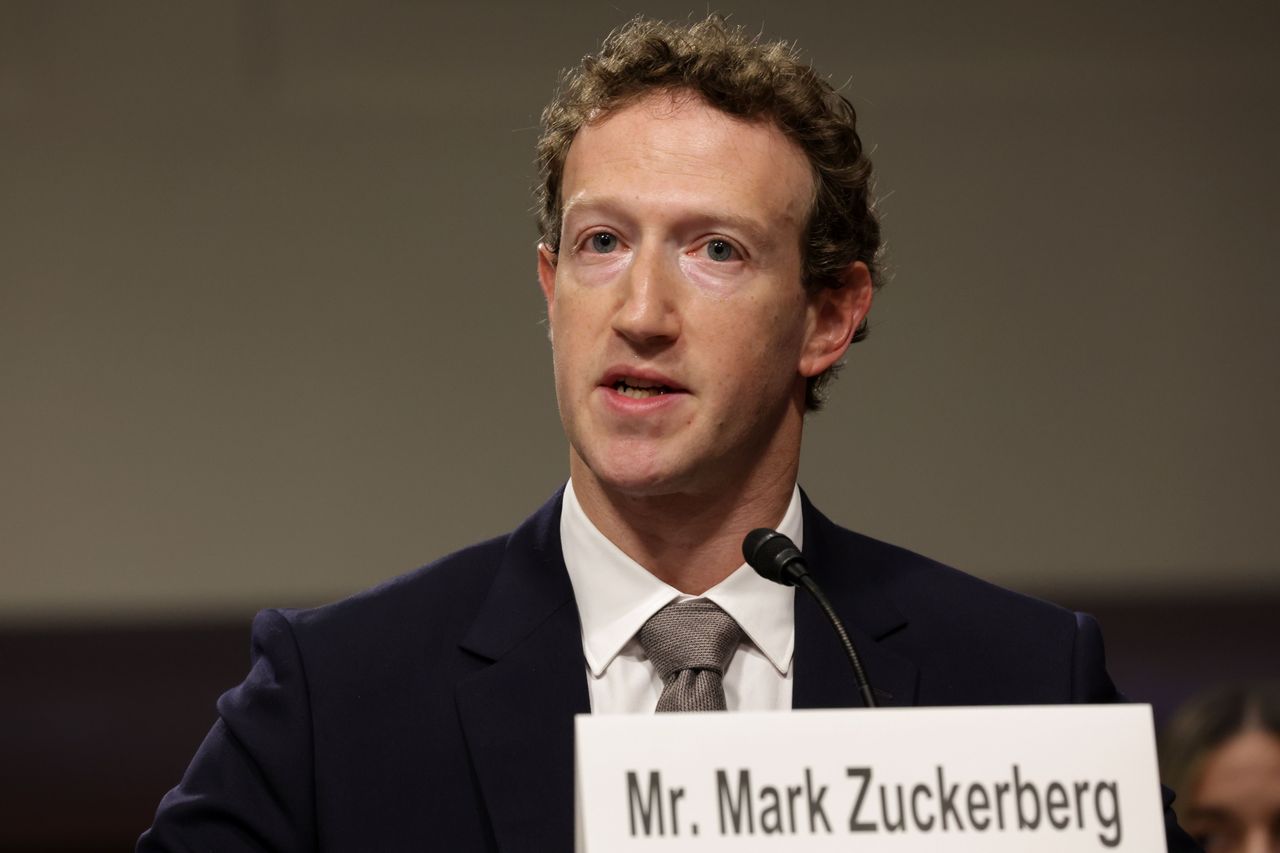


- Judge Francis Mathew ordered Meta to pay $25 billion after a jury found the company responsible for over 43 million violations of state consumer protection laws.
- While 48 other states agreed to a nationwide settlement earlier this year, New Mexico pursued its own trial.
- State officials announced that the entire monetary award will be directed into a specialized fund dedicated to supporting New Mexico’s public education system.
Advertisement|Remove ads.
A New Mexico state judge on Wednesday ordered Meta Platforms (META) to pay $25 billion for deceiving users regarding data privacy and content moderation practices in the wake of the Cambridge Analytica data scandal.
The ruling by State District Judge Francis Mathew follows a jury trial in September in which jurors concluded that Facebook’s parent company committed more than 43 million separate violations of New Mexico consumer protection laws, the Associated Press reported.

The penalty arrives after New Mexico chose to stand alone as the only state to push the Cambridge Analytica dispute through to a full jury trial, declining to join an $18 billion multi-state settlement signed by 48 other states in August.
Advertisement|Remove ads.
Trial Focus And Liability Arguments
State prosecutors centered their case on how Facebook's public assurances and transparency reports regarding user data safety did not match its internal practices when political consulting firm Cambridge Analytica harvested information from millions of users to build targeted political advertisements ahead of the 2016 presidential election.
During court proceedings, prosecutors successfully argued that misleading corporate statements harmed not only active platform users but the broader population of New Mexico. Jurors ultimately agreed, establishing liability across millions of individual counts.
Meta's legal counsel contested the verdict and subsequent financial demands, arguing that state consumer protection statutes should not extend civil liability to New Mexico residents who were not active users of the social media platform during the relevant period. Meta representatives indicated AP of plans to challenge the decision.
Advertisement|Remove ads.
Directing Funds To Public Education
State officials celebrated the ruling as an unprecedented victory for consumer rights and corporate accountability. New Mexico Attorney General Raúl Torrez and state legal teams had initially petitioned the court for financial penalties ranging between $35 billion and $40 billion, maintaining that only penalties substantial enough to influence market valuation and stock prices would deter future infractions from multinational technology conglomerates.
Following the judge's final financial assessment, state leaders confirmed that all proceeds collected from the judgment will be funneled directly into a dedicated state fund designed to bolster New Mexico's public education infrastructure.
Advertisement|Remove ads.
META Stock: Retail View
Retail sentiment on Stocktwits was ‘bullish’ with ‘high’ message volumes ahead of the Instagram maker’s quarterly result due later in the day.
META stock has gained about 8% year-to-date.
For updates and corrections, email newsroom[at]stocktwits[dot]com
Advertisement|Remove ads.
Comments posted here will also appear on symbol pages.

Latest News

 Anan Ashraf·34m ago
 Anan Ashraf·2h ago

 Shashank Nayar·2h ago
 Heera Hari·2h ago

 Prabhjote Gill·2h ago
 Shashank Nayar·3h ago