


Advertisement|Remove ads.
Nvidia May Get A Credit Rating Cut Amid Governance Issues, While US Officials Reportedly Say No Chinese Interference in Huang’s Affair
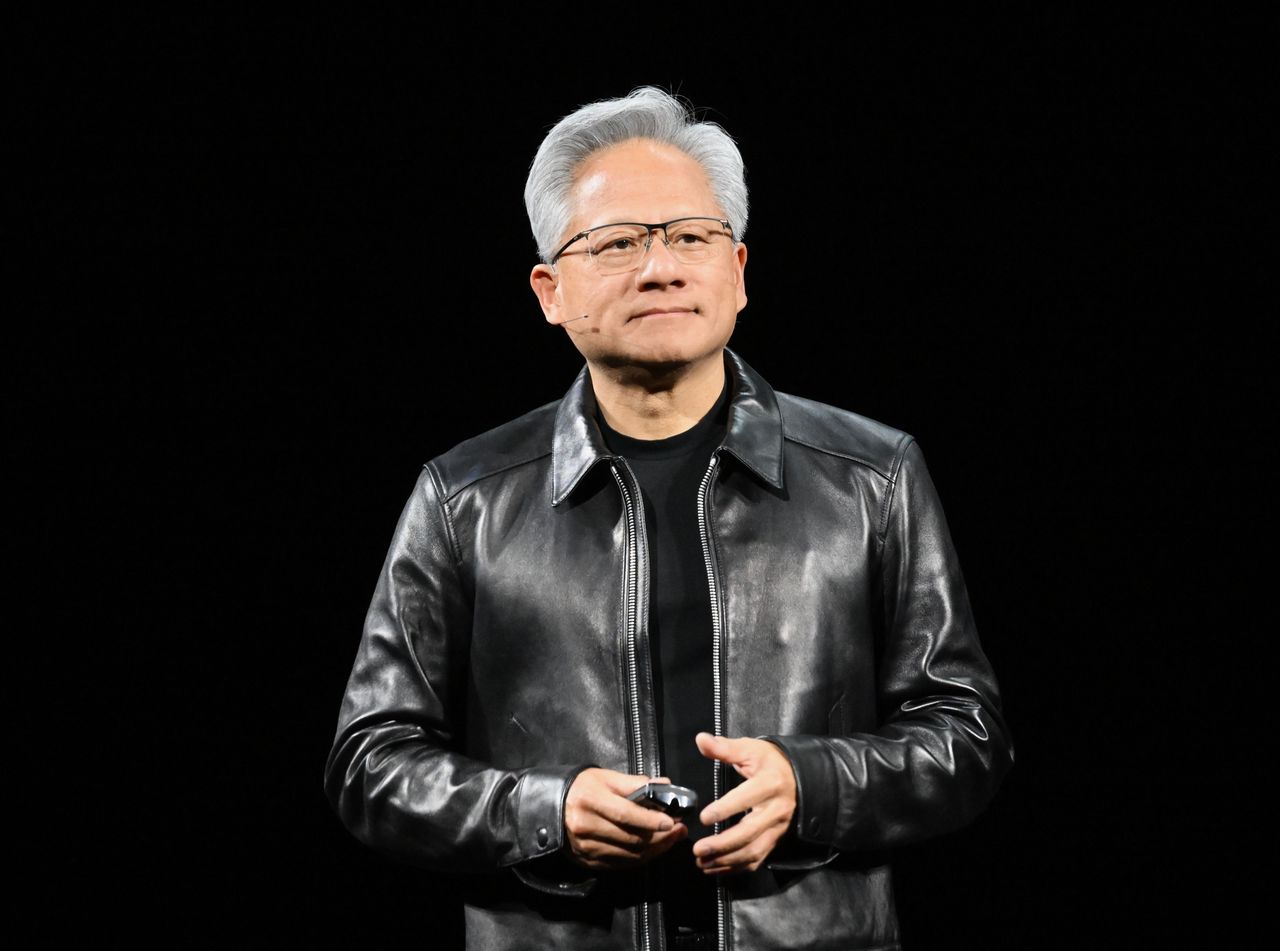


- S&P is reviewing a possible one-notch cut to Nvidia’s AA credit rating over a 90-day period.
- Huang was reinstated as CEO on Monday, less than two weeks after leaving amid personal scandal and scrutiny over China ties.
- Meanwhile, U.S. officials told congressional staffers that there was no Chinese involvement in Huang’s affair, WSJ reported.
Advertisement|Remove ads.
Nvidia Corp.(NVDA) share price ended lower for the second consecutive session on Wednesday after credit rating agency S&P Global Ratings announced it may lower its rating on the chipmaker by one notch following a 90-day review.
S&P placed Nvidia under ‘CreditWatch’ with negative implications, citing management and governance concerns stemming from the departure and subsequent return of Chief Executive Officer Jensen Huang. Nvidia currently holds an AA rating from S&P, its third-highest grade, and S&P indicated a downgrade would likely be limited to a single notch.
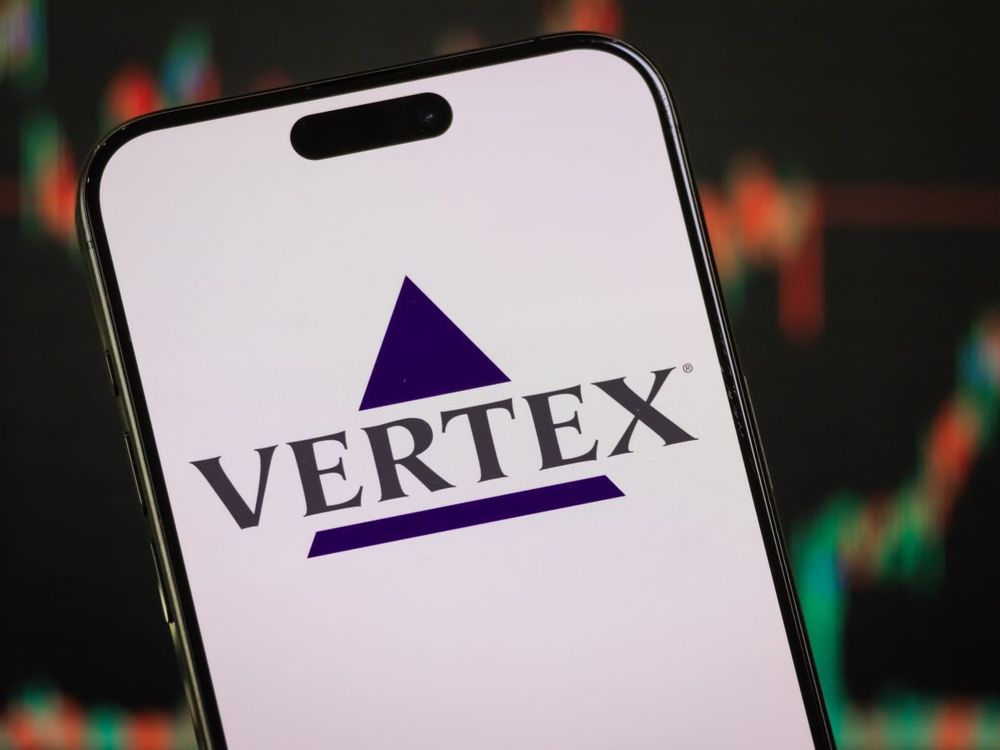
Nvidia’s board brought Huang back on Monday, less than two weeks after he exited amid controversy involving multiple extramarital affairs, including one with a woman investigated by the U.S. government for alleged espionage on behalf of China.
Advertisement|Remove ads.
Meanwhile, U.S. officials told congressional staffers on Wednesday that there was no evidence of Chinese involvement in Jensen Huang’s romantic links with Alice Huang, the Wall Street Journal reported, citing officials familiar with the discussions.
The move also follows pressure from President Donald Trump that eventually led Nvidia’s board to reinstate Jensen Huang as CEO on Monday.
Rival Action And Market Signals
S&P’s warning follows a move last week by Moody’s Ratings, which cut Nvidia’s outlook from positive to stable over governance concerns after Huang’s initial ouster. Moody’s noted that the change makes an upgrade to Nvidia’s Aa1 rating—its second-highest investment-grade mark—unlikely over the next 12 to 18 months. On Wednesday, the firm said that the CEO’s reinstatement restores strategic continuity but leaves some governance questions unresolved, while keeping its rating unchanged.
Advertisement|Remove ads.
Meanwhile, investor anxiety over AI-related debt showed up in credit markets on Wednesday. Five-year credit default swap spreads on Nvidia rose as much as 6 basis points, according to data quoted by Bloomberg. A similar jump in credit default swap spreads was seen in CoreWeave.
AI Ecosystem and Debt Pressures
Any credit downgrade generally raises the cost of borrowing funds for companies, which currently is a key aspect of the entire AI buildout.
Access to cheap capital is key for most companies operating in the AI space, and a jump in the cost tends to dampen investor sentiment, which is already sour considering the massive jump in AI capex.
Advertisement|Remove ads.
Nvidia sits at the center of the AI buildout as top hyperscalers and neoclouds purchase its chips for data centers and sell computing capacity to labs such as Anthropic and OpenAI, while Nvidia also helps finance many AI companies. Bloomberg index data shows Nvidia accounts for roughly $32.5 billion in bonds within the U.S. high-grade corporate bond index.
NVDA Stock: Retail View
Retail sentiment on Stocktwits was in the ‘bullish’ territory, slipping from being ‘extremely bullish’ a week ago with ‘high’ retail message volumes around the stock.
NVDA stock has lost about 21% year-to-date.
Advertisement|Remove ads.
For updates and corrections, email newsroom[at]stocktwits[dot]com.

Latest News
 Anan Ashraf·4m ago
 Shashank Nayar·12m ago
 Anan Ashraf·47m ago
 Shashank Nayar·2h ago
 Shashank Nayar·4h ago
 Anan Ashraf·4h ago
Comments posted here will also appear on symbol pages.