


Advertisement|Remove ads.
Washington Reportedly Eyes Fresh Import Duties On Multiple Countries, But It Won’t Be A Blanket Rate
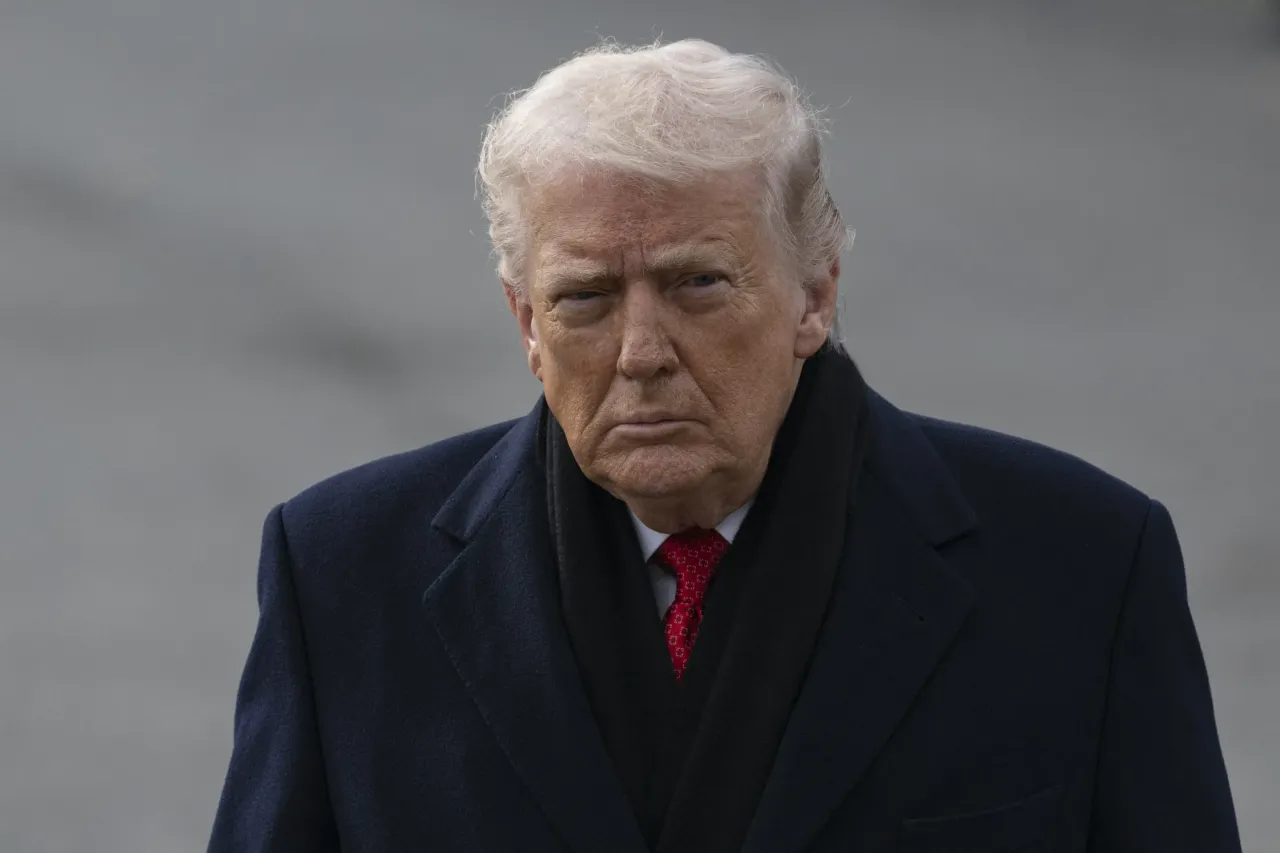


- U.S. Trade Representative Jamieson Greer may release results as soon as Tuesday from a months-long subsidy inquiry covering China, the European Union and 14 other countries.
- China faces steeper duties than many peers due to heavy state support, while nations with earlier trade pacts—such as Japan, South Korea and the EU—could see rates of 15% or lower.
- India and Vietnam could face higher levies under their respective deals.
Advertisement|Remove ads.
The Trump administration is reportedly moving toward imposing higher import duties on China and dozens of other trading partners that Washington contends are placing American manufacturers at a disadvantage.
U.S. Trade Representative Jamieson Greer is expected to publish findings from an inquiry that lasted several months as early as Tuesday, the Wall Street Journal reported. The inquiry takes a deep dive into industrial subsidies across China, the 27-nation European Union and 14 additional countries, though sources cautioned the timeline remains subject to change.
Greer has argued that government backing has generated surplus manufacturing capacity overseas, letting foreign producers flood global markets with lower-priced goods, which in turn is negatively affecting U.S. manufacturers. Neither the U.S. Trade Representative’s office nor the White House commented on the plans.
Advertisement|Remove ads.
Alternatively, Bloomberg exclusively reported, citing people familiar with the matter, that the fresh tariffs won’t surpass levels set in U.S. trade deals he’s negotiated and will be targeted for each economy rather than be imposed as a blanket rate.
How Rates Will Be Set Across Trading Partners
Rather than applying a single across-the-board rate, officials plan to tailor the new duties to individual economies and generally keep them within the bounds of trade agreements negotiated during Trump's presidency, sources told Bloomberg.
The duties are expected to apply to most exports from affected countries, including China, Japan, South Korea and all 27 EU member states. The updated tariffs are expected to exclude certain industrial categories, such as steel, aluminum, and automobiles, that are already addressed under separate national-security tariffs.
Advertisement|Remove ads.
That framework points to tariffs of 15% or less for the EU, Japan and South Korea, whereas economies such as Vietnam and India could face higher rates depending on their respective agreements.
As expectations of fresh import tariffs could raise near-term volatility, retail sentiment on Stocktwits was trending in ‘neutral’ territory on the SPDR S&P 500 ETF (SPY), ‘bearish’ on the SPDR Dow Jones ETF (DIA) and ‘bullish’ on the tech-heavy Invesco QQQ (QQQ).
Overall, the S&P 500 index eased about 0.6% and the Nasdaq 100 dropped about 2% in afternoon trade on Tuesday, a day after markets recorded their best session since April 2025 on Jensen Huang’s reinstatement as Nvidia’s CEO.
Advertisement|Remove ads.
For updates and corrections, email newsroom[at]stocktwits[dot]com.
Comments posted here will also appear on symbol pages.

Latest News
 Shashank Nayar·11m ago

 Anan Ashraf·12m ago

 Arnab Paul·1h ago

 Heera Hari·2h ago

 Harshita Tyagi·2h ago
 Prabhjote Gill·2h ago