


Advertisement|Remove ads.
Iran Moves To Monetize Hormuz Oil Traffic With Tolls Paid In Bitcoin, Other Cryptocurrencies: Report
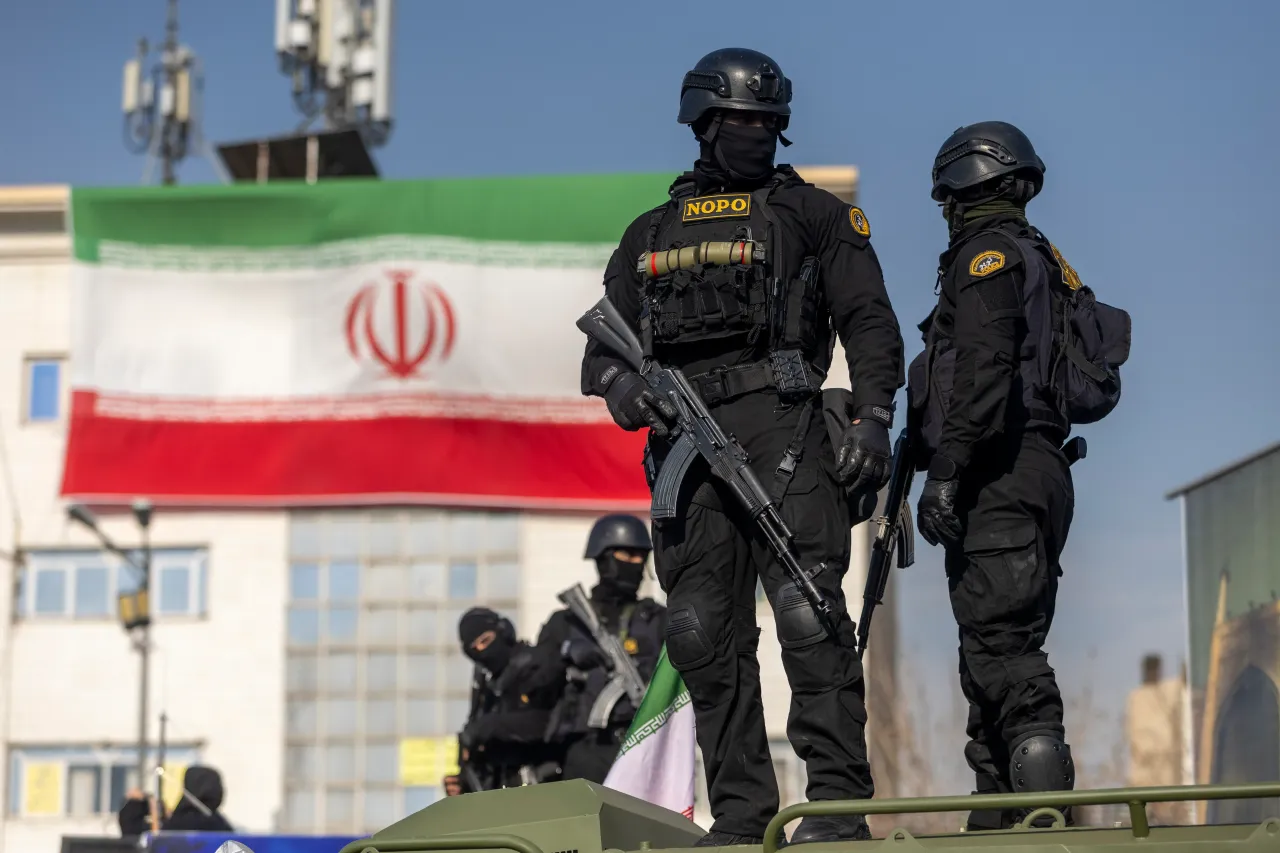


- Iran may charge oil tankers $1 a barrel in Bitcoin to pass through the Strait of Hormuz during a two-week truce, according to the Financial Times.
- Global marine operators are concerned about military action against unlicensed ships.
- Bitcoin and other digital assets would be used for payments, making them difficult to track.
Advertisement|Remove ads.
Iran is reportedly contemplating asking oil tankers passing through the Strait of Hormuz to pay tolls in cryptocurrency as part of its two-week ceasefire with Israel and the United States.
According to the Financial Times report, Hamid Hosseini, a spokesman for Iran's Oil, Gas, and Petrochemical Products Exporters' Union, said officials plan to monitor all boats passing through the strait to ensure that the cease-fire period is not used to transport weapons or banned goods.
Under the proposed approach, Hosseini said tankers would be required to provide cargo data by email. Iranian officials would next evaluate the cargo and set a transit fee of $1 per barrel of oil, payable in digital currencies, before passage is granted. Hosseini noted that once cleared, ships would have only a brief window to complete payment, with Bitcoin (BTC) enabling transactions that are difficult to track or stop under sanctions. However, empty boats would be permitted to pass freely.
Advertisement|Remove ads.
The report also stated that the proposal may also compel ships to take routes closer to Iran's coastline, which might raise security risks for Western and Gulf-linked maritime companies.
Tensions in the area are still high. Tankers in the Gulf allegedly received radio warnings that boats trying to pass without permission would risk military attacks, as per the report.
Control of the Strait of Hormuz, which transports nearly 20% of the world's oil supply, is a major sticking point in talks. U.S. President Donald Trump said that the truce would be contingent on Iran agreeing to a "complete, immediate, and safe" reopening of the strait, while Iran has suggested a new "secure passage protocol" negotiated with its military.
Advertisement|Remove ads.
Bitcoin’s price was at $72,007, up over 5% in the last 24 hours. On Stocktwits, retail sentiment around BTC improved to ‘neutral’ from ‘bearish’ territory over the past day, while chatter remained at ‘normal’ levels.
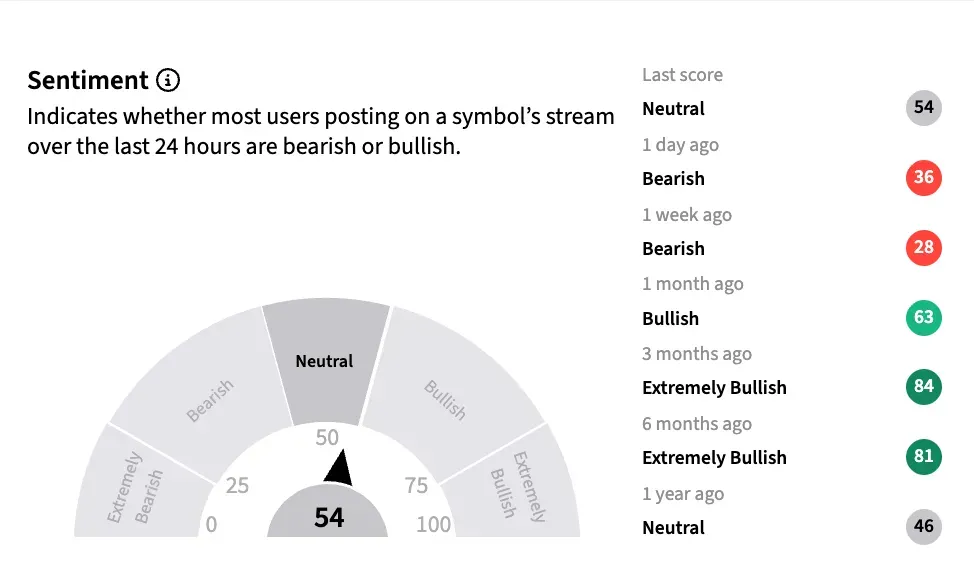
Meanwhile, oil prices eased, and the United States Oil Fund (USO) dropped over 13% in morning trade. Retail sentiment for USO remained in ‘bearish’ territory, while chatter around it moved to ‘high’ from ‘normal’ levels over the past day.
Iran Uses Crypto To Evade Sanctions And Sustain Its Economy
Iran has used cryptocurrency to bypass international restrictions and maintain both governmental and civilian financial activities. According to US officials, the government, which has been cut off from the global financial system for decades, has exploited digital assets to ease the sale of embargoed oil and to covertly support ally forces like the Houthi rebels.
Advertisement|Remove ads.
Blockchain data from Chainalysis showed that cryptocurrency usage has increased during times of geopolitical stress, with more than $10 million in digital assets leaving Iranian exchanges in just a few days following recent military escalations, some of which analysts believe involved state-linked actors attempting to shield funds from sanctions or cyber risks.
Firms including Chainalysis and Elliptic have linked multiple wallets to Iran's Revolutionary Guards, who allegedly received over $3 billion in crypto flows last year, accounting for a major portion of the country's activities.
Read also: MSTR, GLXY, COIN, ASST Stocks Jump Pre-Market After Trump Agrees To Iran Ceasefire
Advertisement|Remove ads.
For updates and corrections, email newsroom[at]stocktwits[dot]com.
Comments posted here will also appear on symbol pages.

Latest News
/filters:format(webp)https://news.stocktwits-cdn.com/large_GEV_Vernova_resized_jpg_2fd59ac745.webp)
/filters:format(webp)https://news.stocktwits-cdn.com/Aashika_Suresh_Profile_Picture_jpg_2acd6f446c.webp) Aashika Suresh·5m ago
Aashika Suresh·5m ago/filters:format(webp)https://news.stocktwits-cdn.com/large_asts_a3f37696a9.jpg)
/filters:format(webp)https://news.stocktwits-cdn.com/IMG_8805_JPG_6768aaedc3.webp) Deepti Sri·22m ago
Deepti Sri·22m ago/filters:format(webp)https://news.stocktwits-cdn.com/large_qualcomm_jpg_bf257cee94.webp)
/filters:format(webp)https://news.stocktwits-cdn.com/IMG_9209_1_d9c1acde92.jpeg) Yuvraj Malik·23m ago
Yuvraj Malik·23m ago/filters:format(webp)https://news.stocktwits-cdn.com/large_BE_Bloom_faee9b1d61.webp) Aashika Suresh·47m ago
Aashika Suresh·47m ago/filters:format(webp)https://news.stocktwits-cdn.com/large_Getty_Images_915868956_jpg_408b387146.webp) Deepti Sri·1h ago
Deepti Sri·1h ago/filters:format(webp)https://news.stocktwits-cdn.com/large_Getty_Images_2249581920_jpg_e0f76b0419.webp)
/filters:format(webp)https://news.stocktwits-cdn.com/shivani_photo_jpg_dd6e01afa4.webp) Shivani Kumaresan·1h ago
Shivani Kumaresan·1h ago