


Advertisement|Remove ads.
Leaked Files Reveal Binance Allowed Sanctioned Crypto Trades Despite Red Flags: Report
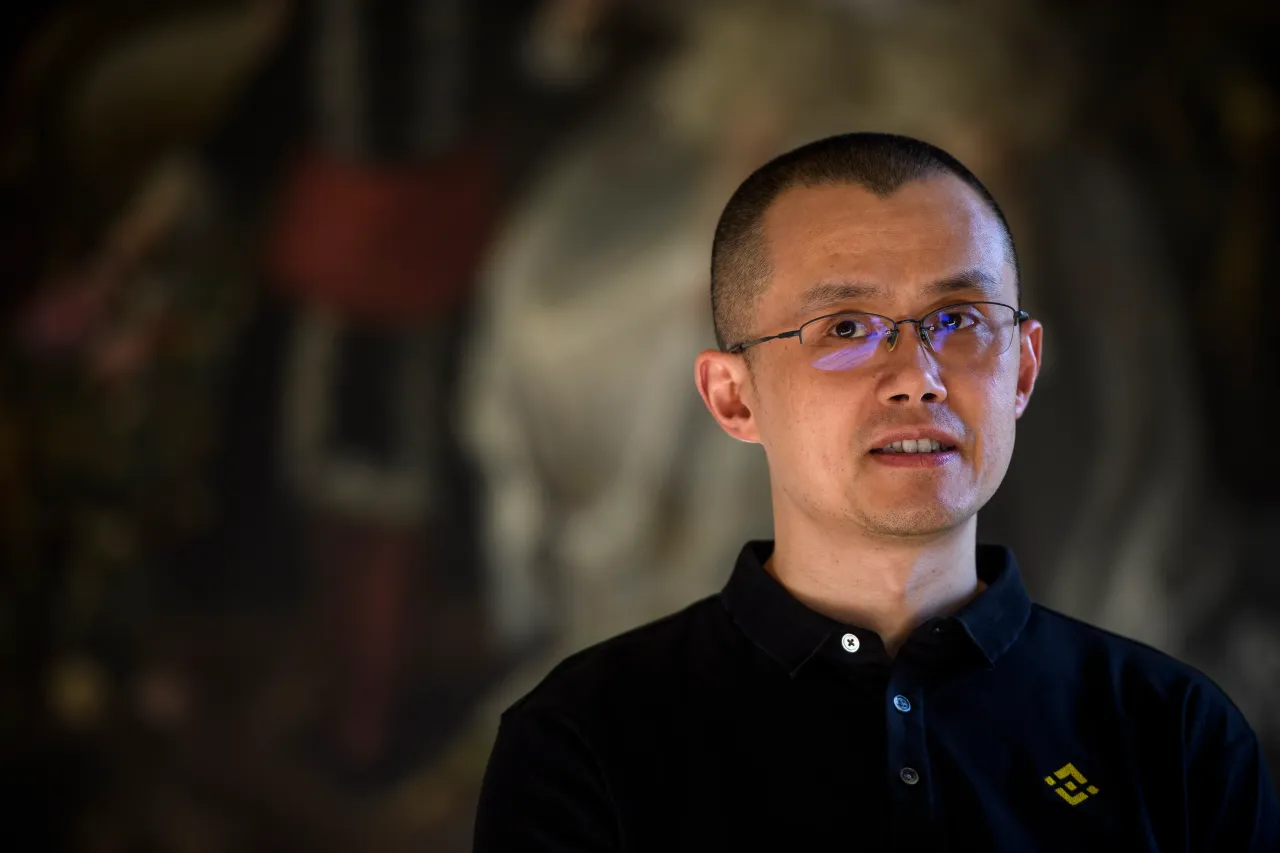

- According to a Financial Times investigation, Binance allowed the movement of hundreds of millions of dollars through sanctioned accounts.
- Data showed that numerous users traded despite failed identity verifications, erratic login locations, and high transaction volumes.
- President Donald Trump pardoned Zhao in October 2023, restoring his civil rights.
Advertisement|Remove ads.
Binance allegedly allowed hundreds of millions of dollars in cryptocurrency to travel through accounts flagged for suspicious behavior, according to a Financial Times investigation.
The FT investigated leaked internal Binance data from 2021 to 2025 and discovered that numerous accounts kept trading despite red flags, including failed identity checks, unusual login locations, and high transaction volumes. Some accounts handled eight- and nine-figure sums in patterns that compliance experts said would usually result in freezes or inquiries at regulated financial institutions.
Binance Coin (BNB) was trading at $862.35, up 1.5% over the past day. On Stocktwits, retail sentiment around BNB remained in ‘bearish’ territory, with ‘normal’ levels of chatter over the past day.
Advertisement|Remove ads.
Suspicious Accounts Remained Active On Binance
According to the report, one account associated with a resident of a low-income area in Venezuela transferred $93 million through Binance, with some money being tracked to wallets suspected by US and Israeli officials of enabling financing for Iran-linked organizations and Lebanon's Hizbollah.
In 2021, another account was created in the name of a Brazilian man who was subsequently accused of being part of a criminal gang involved in unlawful gold trade. Investigators also found additional family members when one of them was detained at the Venezuela border with $50,000 in cash. They said it was for buying sausages.
According to records, the Binance account was registered with an outdated and broken Brazilian ID card. Some important information, including the date of birth, was not apparent. The email address belonged to a woman, and the profile picture did not match the selfie. Despite various red flags, the account was still functioning.
The account eventually received $16 million in crypto, including $5 million from wallets that were later blocked due to sanctions. In Brazil and Venezuela, some money was converted into cash and withdrawn. The account was open until this year, even though activity dropped off later. This is not the first time the crypto exchange traded in uncharted waters.
Advertisement|Remove ads.
Binance's Official Response
In a statement responding to the story, Binance disputed the Financial Times' framing, stating that it takes compliance requirements seriously. Binance stated that the transactions noted were analyzed using the information available at the time, and that none of the wallets mentioned were sanctioned during the activity. The exchange also stated that it adheres to "the highest standards" of anti-money laundering procedures, sanctions screening, and collaboration with law enforcement. “Binance operates under the highest standards of AML, sanction screening, and law enforcement cooperation, and since 2023, Binance has operated under independent monitorship oversight. Binance complies with all relevant financial sanctions. Compliance and user safety remain our highest priority,” said Binance.
Binance Founder CZ Served Jail Time
Changpeng Zhao, often known as CZ, was the CEO of Binance in 2023 when he was sentenced to prison after admitting to violating U.S. compliance laws. In November 2023, Zhao revealed that he had deliberately failed to implement proper anti-money laundering (AML) procedures at Binance, allowing illegal funds to flow across the site.
Authorities in the U.S. stated that Binance violated banking regulations and international sanctions by failing to report suspicious transactions. As part of the prosecution, Binance agreed to pay $4.3 billion in fines, while Zhao paid a $50 million fee and stepped down as CEO.
Advertisement|Remove ads.
Donald Trump gave Zhao a presidential pardon in October. With the pardon, Zhao's criminal record was expunged, and his civil rights were restored. The pardon occurred at a time when U.S. politicians were developing a pro-crypto stance in line with President Trump's vision to make the United States the 'crypto capital' of the world.
Read also: XRP, Solana Spot ETFs Lead In Weekly Inflows As Bitcoin, Ethereum Face Outflows
For updates and corrections, email newsroom[at]stocktwits[dot]com
Editor’s note: The story has been updated with official comment from Binance spokesperson.
Advertisement|Remove ads.
Comments posted here will also appear on symbol pages.

Latest News
/filters:format(webp)https://news.stocktwits-cdn.com/gettyimages_2298121318_594x594_4d821e878e.jpg)
/filters:format(webp)https://news.stocktwits-cdn.com/Prabhjote_DP_67623a9828.jpg) Prabhjote Gill·11m ago
Prabhjote Gill·11m ago/filters:format(webp)https://news.stocktwits-cdn.com/large_omeros_jpg_4769b8d291.webp)
/filters:format(webp)https://news.stocktwits-cdn.com/vivekkrishnanphotography_58_jpg_0e45f66a62.webp) Arnab Paul·24m ago
Arnab Paul·24m ago/filters:format(webp)https://st-everywhere-cms-prod.s3.us-east-1.amazonaws.com/large_tsmc_logo_exhibition_resized_0dbcb816ae.jpg) Prabhjote Gill·58m ago
Prabhjote Gill·58m ago/filters:format(webp)https://news.stocktwits-cdn.com/large_Getty_Images_2279927457_jpg_1520f70c91.webp)
/filters:format(webp)https://news.stocktwits-cdn.com/Harshita_3cfe02022c.jpg) Harshita Tyagi·1h ago
Harshita Tyagi·1h ago/filters:format(webp)https://news.stocktwits-cdn.com/large_Getty_Images_2259661360_jpg_dfabfb9ee4.webp)
/filters:format(webp)https://news.stocktwits-cdn.com/Whats_App_Image_2026_05_11_at_09_45_43_1_jpeg_a08c0cf251.webp) Aveek Bhowmik·2h ago
Aveek Bhowmik·2h ago/filters:format(webp)https://news.stocktwits-cdn.com/large_Getty_Images_2289911964_0fec3a471a.jpg)
/filters:format(webp)https://news.stocktwits-cdn.com/shivani_photo_jpg_dd6e01afa4.webp) Shivani Kumaresan·3h ago
Shivani Kumaresan·3h ago