


Advertisement|Remove ads.
Nvidia, CEO Jensen Huang Face Certified Class Action Lawsuit Over Alleged $1B Crypto Revenue Misstatements
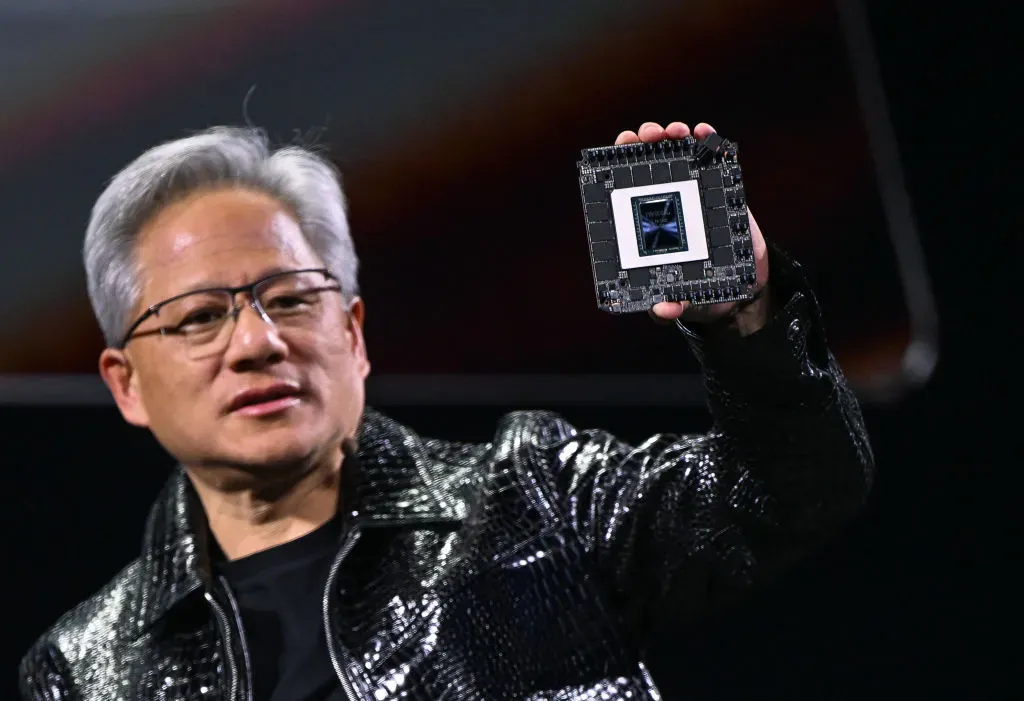


- A U.S. district court has certified a class action lawsuit against Nvidia and CEO Jensen Huang over disclosures tied to crypto-related GPU sales.
- The lawsuit alleges Nvidia understated the extent of gaming revenue linked to cryptocurrency mining between 2017 and 2019.
- Plaintiffs argue that Nvidia’s stock decline in November 2018 reflected previously undisclosed crypto exposure.
- Nvidia has maintained that crypto mining accounted for only a limited portion of its overall business.
Advertisement|Remove ads.
Nvidia (NVDA) and CEO Jensen Huang are facing renewed legal scrutiny after a U.S. federal judge certified a class action lawsuit accusing the chipmaker and Huang of misleading investors about how much of its gaming GPU revenue was driven by crypto mining between 2017 and 2019.
According to the filing, a federal judge in California granted the plaintiffs’ motion for class certification. This allows investors to proceed collectively in pursuing claims that Nvidia failed to disclose the scale of crypto-related demand embedded within its gaming business and misled shareholders about exposure to cryptocurrency mining.

NVDA stock edged 0.1% lower in pre-market trade on Thursday amid weakness in the broader market. Retail sentiment around Nvidia on Stocktwits moved lower within ‘bearish’ territory over the past day, accompanied by chatter at ‘low’ levels.
Advertisement|Remove ads.

Nvidia Lawsuit Extends Eight-Year Run
The lawsuit, first filed in 2018, alleges that Nvidia concealed more than $1 billion in GPU sales linked to cryptocurrency mining and that Huang downplayed the extent of that exposure. Plaintiffs argue that this led investors to underestimate the company’s vulnerability to swings in crypto demand.
In the Wednesday order, U.S. District Judge Haywood S. Gilliam Jr. said Nvidia failed to demonstrate that its statements about crypto mining revenue had no impact on its stock price.
After the case was initially dismissed in 2021, it was revived on appeal and later survived a challenge at the Supreme Court. The latest ruling now allows the case to proceed toward trial. Instead of individual investors chasing allegations separately, a class certification allows them to pursue claims collectively.
Advertisement|Remove ads.
Dispute Over Role Of Crypto Mining In Nvidia’s Gaming Revenue
Since the lawsuit was initially filed in 2018, Nvidia’s position has been that crypto mining represented a relatively small portion of its business and that mining-related demand was largely tracked outside its core gaming segment.
However, according to the plaintiffs, a large portion of crypto-driven sales flowed through Nvidia’s GeForce gaming GPUs and was recorded within the gaming division, leaving the company more exposed to crypto market cycles than disclosed.
The filing points to Nvidia cutting its guidance in August 2018 after citing excess inventory and a drop in crypto-related demand. It also noted that Nvidia’s chief financial officer, Colette Kress, said following November that gaming performance fell short due to the slower sell-through of “post crypto channel inventory” and delayed price normalization following a “sharp crypto falloff.”
Advertisement|Remove ads.
According to the complaint, Nvidia’s stock declined by about 28.5% over the two trading sessions following the November announcement, indicating a delayed recognition of the tech giant's cryptocurrency exposure. The certified class includes investors who purchased Nvidia shares between August 10, 2017, and November 15, 2018. A case management conference is scheduled for April 21, when the court is expected to outline the next steps.
“Investors who purchased NVIDIA in the 2017-2018 timeframe have done incredibly well, as our corporate strategy unfolded as we consistently predicted. We will address the complaint in court," an Nvidia spokesperson told Stocktwits in a statement.
Advertisement|Remove ads.
For updates and corrections, email newsroom[at]stocktwits[dot]com.
Editor's Note: The story has been updated with a comment from Nvidia on the allegations.
Comments posted here will also appear on symbol pages.

Latest News
/filters:format(webp)https://news.stocktwits-cdn.com/large_asts_a3f37696a9.jpg)
/filters:format(webp)https://news.stocktwits-cdn.com/IMG_8805_JPG_6768aaedc3.webp) Deepti Sri·8m ago
Deepti Sri·8m ago/filters:format(webp)https://news.stocktwits-cdn.com/large_spacex_jpg_07ab19438d.webp)
/filters:format(webp)https://news.stocktwits-cdn.com/Aashika_Suresh_Profile_Picture_jpg_2acd6f446c.webp) Aashika Suresh·15m ago
Aashika Suresh·15m ago/filters:format(webp)https://news.stocktwits-cdn.com/large_rocketlab_CEO_OG_jpg_27083e216d.webp) Deepti Sri·39m ago
Deepti Sri·39m ago/filters:format(webp)https://news.stocktwits-cdn.com/large_Getty_Images_2278069829_59fe6411ed.jpg)
/filters:format(webp)https://news.stocktwits-cdn.com/shivani_photo_jpg_dd6e01afa4.webp) Shivani Kumaresan·41m ago
Shivani Kumaresan·41m ago/filters:format(webp)https://news.stocktwits-cdn.com/large_NVIDA_chip_60b48a6ec9.jpg) Deepti Sri·1h ago
Deepti Sri·1h ago/filters:format(webp)https://news.stocktwits-cdn.com/large_Getty_Images_2287298723_67960e9982.jpg) Aashika Suresh·2h ago
Aashika Suresh·2h ago