


Advertisement|Remove ads.
GOOGL's $250B AI Chip Opportunity Takes Aim At NVDA — Beth Kindig Says Google Is Going After ‘One Of The Most Profitable Hardware Businesses’
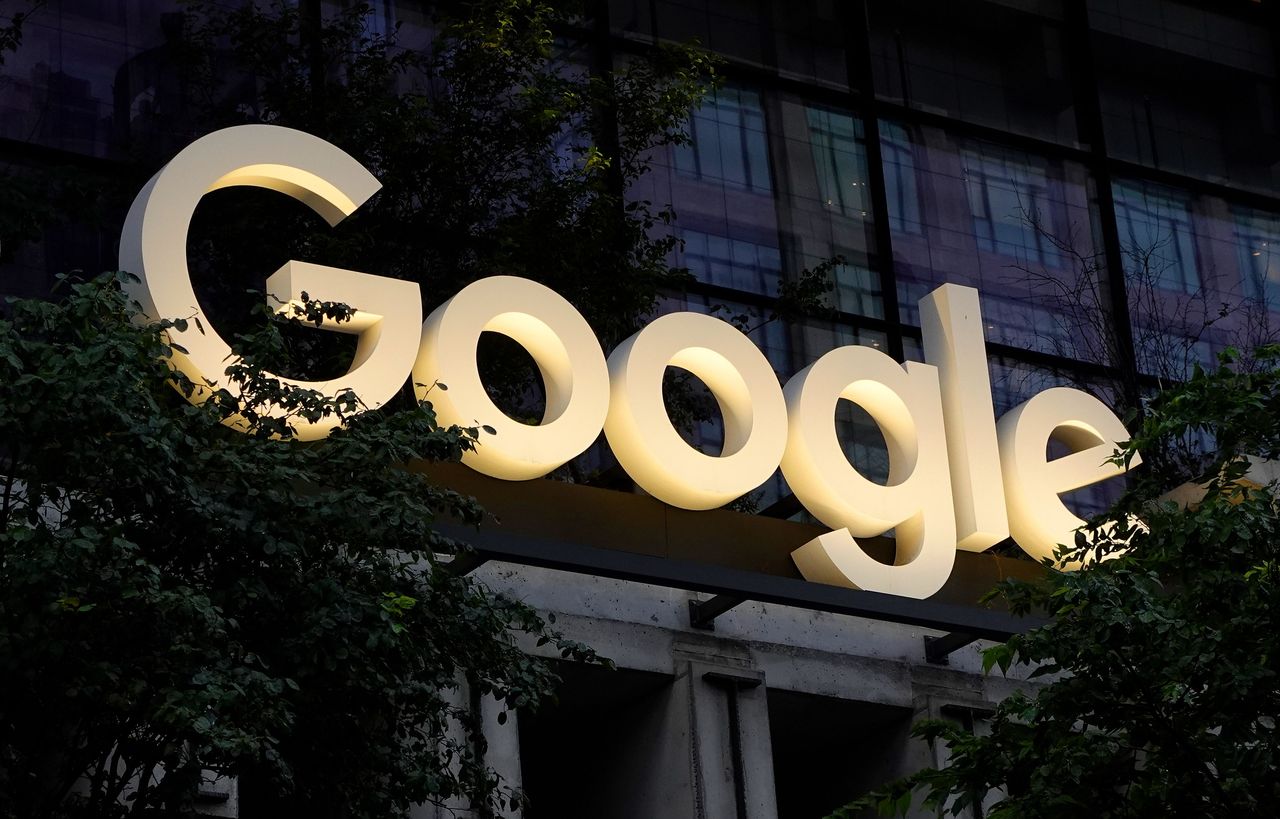


- Kindig says the AI accelerator market is entering a new phase as Google moves its merchant TPU strategy from announcement toward commercial execution.
- The analyst noted that the focus is increasingly on cost per token now, as massive AI infrastructure spending puts pressure on Big Tech's free cash flow.
- Kindig believes that the bigger opportunity for Google could come from the company selling TPUs directly to third-party customers rather than exclusively deploying them through Google Cloud.
Advertisement|Remove ads.
Alphabet Inc. (GOOG, GOOGL) could be positioning its artificial intelligence chips as a serious challenge to Nvidia Corp. (NVDA), with third-party Tensor Processing Unit sales potentially becoming a major new revenue stream, according to IO Fund analyst Beth Kindig.
In a note on Friday, Kindig said Google's advantage may not come from simply building a faster accelerator, but from attacking the economics of AI infrastructure, particularly the cost of running increasingly expensive AI workloads.

She said Google’s AI story is about to change “not from advancements in AI software, but by going after one of the most profitable hardware businesses the tech industry has ever seen.”
Advertisement|Remove ads.
Alphabet’s Class A shares closed 1% lower in Friday’s regular trading session, while Nvidia shares fell about 0.6%.
Kindig Points To Google Targeting AI's Biggest Cost Problem With TPU Strategy
Kindig says the AI accelerator market is entering a new phase as Google moves its merchant TPU strategy from announcement toward commercial execution. Google recognized its first TPU-related revenue from third-party customers in the second quarter.
The analyst noted that the focus is increasingly on cost per token now, as massive AI infrastructure spending puts pressure on Big Tech's free cash flow.
Advertisement|Remove ads.
Google's latest TPU 8t and 8i systems are designed to improve performance per dollar compared with the previous-generation Ironwood TPU. Kindig says TPU 8i can deliver up to an 80% improvement in performance per dollar, particularly for low-latency inference workloads, while TPU 8t offers up to 2.7 times better performance per dollar for training.
The result could allow customers to process substantially more AI workloads for the same infrastructure spending.
“Google’s greatest competitive advantage may not be building a faster chip than Nvidia, but rather in building AI infrastructure at a lower cost,” she added.
Advertisement|Remove ads.
The $250B TPU Opportunity
Kindig believes that the bigger opportunity for Google could come from the company selling TPUs directly to third-party customers rather than exclusively deploying them through Google Cloud.
She added that this would create a second revenue stream for Google while shifting much of the upfront infrastructure burden toward customers, including data centers, power, cooling and hardware.
Anthropic is already expected to deploy a gigawatt of Ironwood TPUs in 2026, followed by 5GW of TPU 8i in 2027 and another 10GW in 2028, according to Broadcom's update cited by Kindig, who believes that this would create a significant revenue stream for the company.
Advertisement|Remove ads.
At the high end, that would represent a staggering acceleration for Google's chip business, potentially reaching the current run rate of its Search business in just a few years, the analyst noted.
Google Could Challenge Nvidia Beyond Inference, Says Kindig
Google's threat to Nvidia also extends beyond inference. Kindig highlights TPU 8t's ability to scale to a 9,600-chip superpod with 2PB of shared HBM and 121 exaflops of FP4 compute.
Google's Virgo Network fabric can then connect 14 such superpods, creating a domain capable of supporting 134,400 TPUs.
Advertisement|Remove ads.
The scale could become particularly important if Nvidia encounters further delays with its next-generation systems, potentially giving Google additional room to gain accelerator share, she added.
What Retail Investors Think Of GOOGL Stock
Retail sentiment on Stocktwits around Alphabet trended in the ‘bullish’ territory at the time of writing.
GOOGL stock is up 2% year-to-date, while NVDA stock is up 13%. The Invesco QQQ Trust (QQQ) is up 15% over the past 12 months, while the iShares U.S. Technology ETF (IYW) is up 25%.
Advertisement|Remove ads.
For updates and corrections, email newsroom[at]stocktwits[dot]com.
Comments posted here will also appear on symbol pages.

Latest News

 Stocktwits News Desk·12m ago
 Anushka Basu·52m ago
 Stocktwits News Desk·53m ago
 Stocktwits News Desk·2h ago
 Anushka Basu·2h ago
 Stocktwits News Desk·3h ago