


Advertisement|Remove ads.
Google Kicks Off Big Tech Earnings: Why Capex, Not Cloud Growth, Could Decide Market’s Next AI Trade
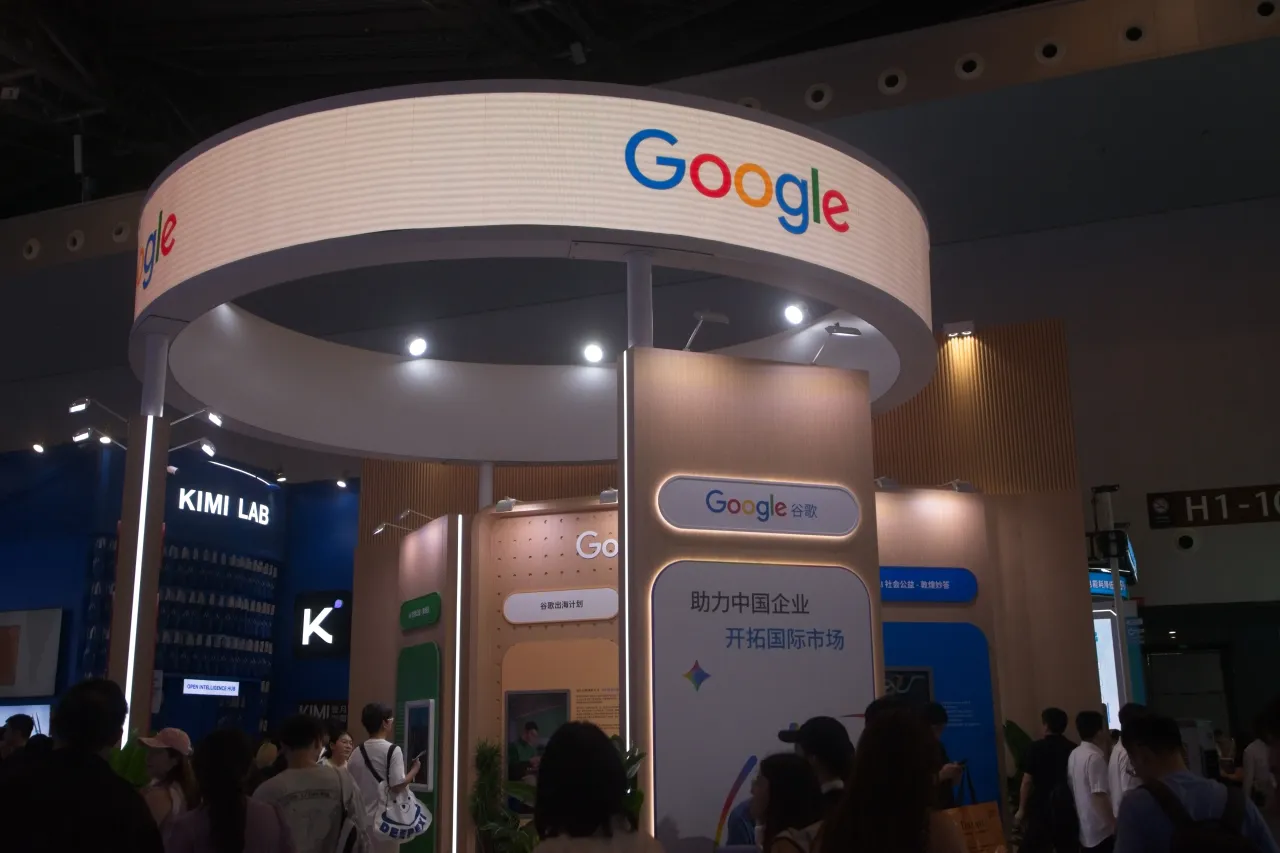


- Companies like Alphabet, Amazon, Microsoft and Meta have earmarked record investment towards AI development and new data centers this year.
- There are growing concerns that tech heavyweights are already looking to rationalize their spending.
- The retail sentiment for GOOGL shifted to ‘extremely bullish’ from ‘bullish’ on Wednesday, ahead of its second-quarter report aftermarket hours.
Advertisement|Remove ads.
For a long time, investors and analysts have treated cloud growth as the golden metric driving the tech trade. This earnings season, however, Big Tech’s capital expenditure trends are likely to take center stage.
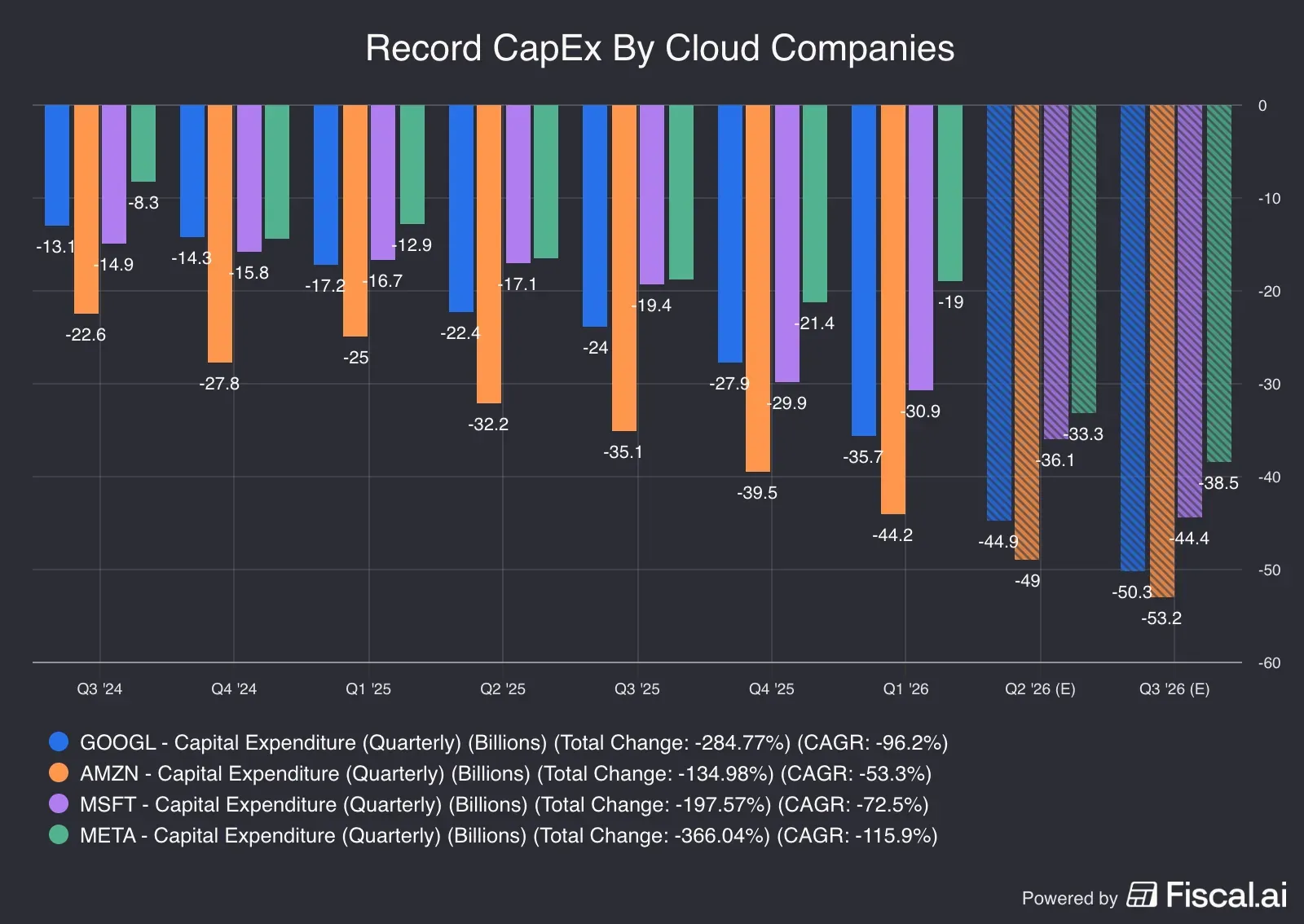
Companies such as Alphabet, Amazon, Microsoft and Meta have earmarked record investment towards AI development and new data centers this year, money that is flowing into and fueling several adjoining business segments such as semiconductors, networking equipment and on-demand cloud services.
The cycle fueled sharp gains, particularly in chip stocks, earlier this year before a selloff took hold in July. There are fresh concerns that tech heavyweights may not be able to sustain their record capital expenditures, with signs already emerging that they are looking for ways to rationalize their AI investments.
Advertisement|Remove ads.
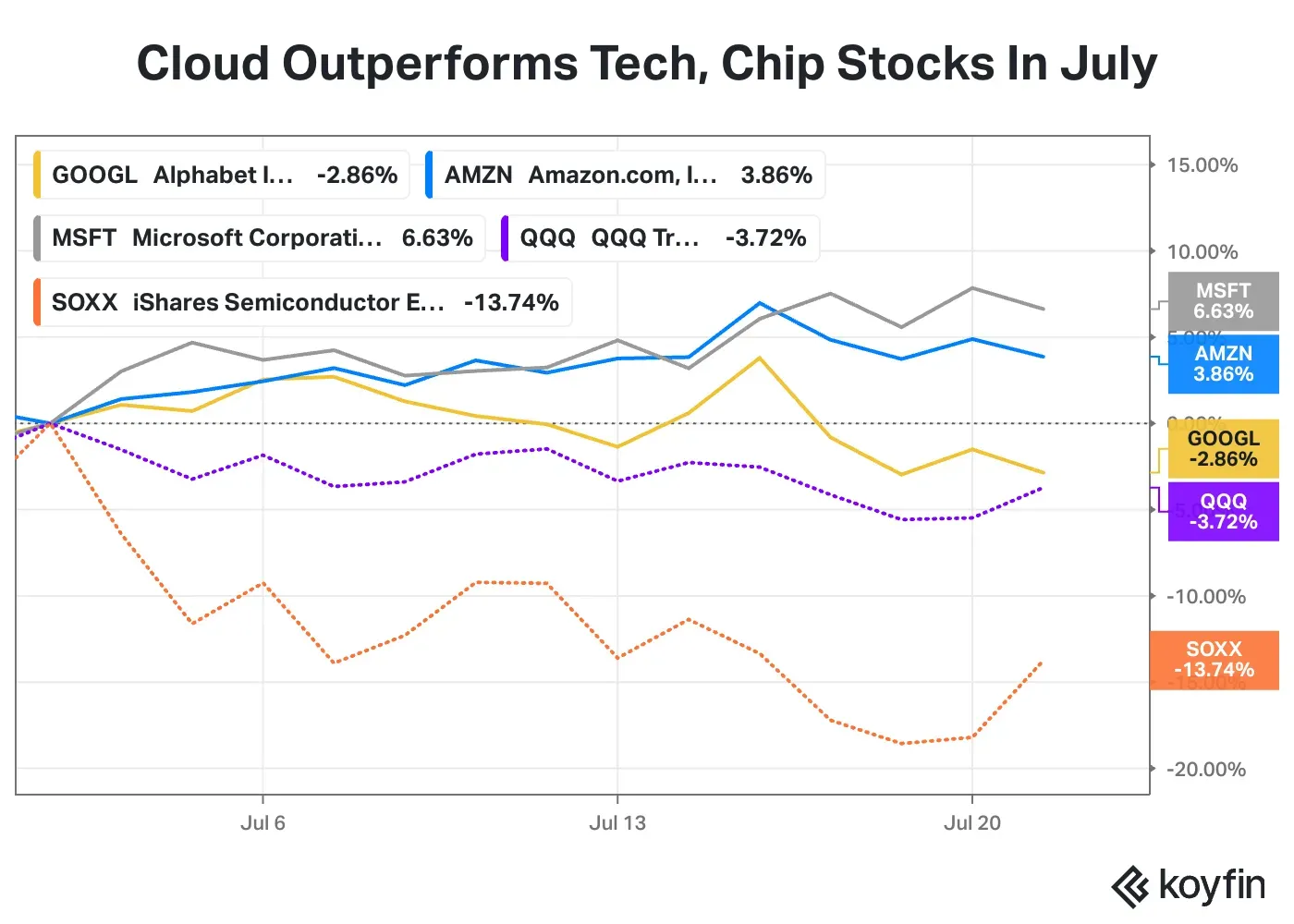
With Alphabet kicking off the second-quarter tech earnings season on Wednesday, and Microsoft, Amazon and Meta reporting next week, investors are squarely focused on how their CapEx has moved in the past quarter and whether there’s a change to the annual outlook.
Based on their own prior projections, combined CapEx by the four tech giants is expected to be a whopping $710 billion this year. They spent a combined $129.8 billion of this in the first quarter, an 81% jump from the year-ago quarter and 9% higher than the fourth quarter of 2025.
Advertisement|Remove ads.
Tech CapEx Retreat Fears
A June report by The Bank for International Settlements, the Switzerland-based institution that also predicted the 2008 financial crisis, said that a potential scaling back of AI capex could throw the global financial system into disorder.
This time, the bust could start with overinvestment in AI infrastructure from tech-company spenders. Once it becomes clear that returns aren’t measuring up to the scale of those outlays, a pullback in financing and stock prices could ensue, WSJ tech columnist Asa Fitch wrote, citing the report.
The spending would surely slow at some point. Hyperscalers' capex will rise 76% this year to $673 billion in 2026, but will increase by only 25% next year and just 6% in 2028, Reuters reported, citing estimates from UBS.
Advertisement|Remove ads.
A few strategic moves by tech are notable in this analysis. The four major hyperscalers are scaling up their custom chip programs to reduce their reliance on Nvidia’s expensive AI servers, while continuing AI-driven efficiency initiatives and workforce reductions.
Meanwhile, new Chinese AI models that require few computing resources, such as Moonshot AI’s Kimi K3, and SpaceX and Meta reportedly jumping into the cloud computing business have raised the risks to cloud sales at Alphabet, Amazon and Microsoft. Lower cloud growth could potentially impact future investments.
Alphabet Q2 Results Preview And Cloud Trends
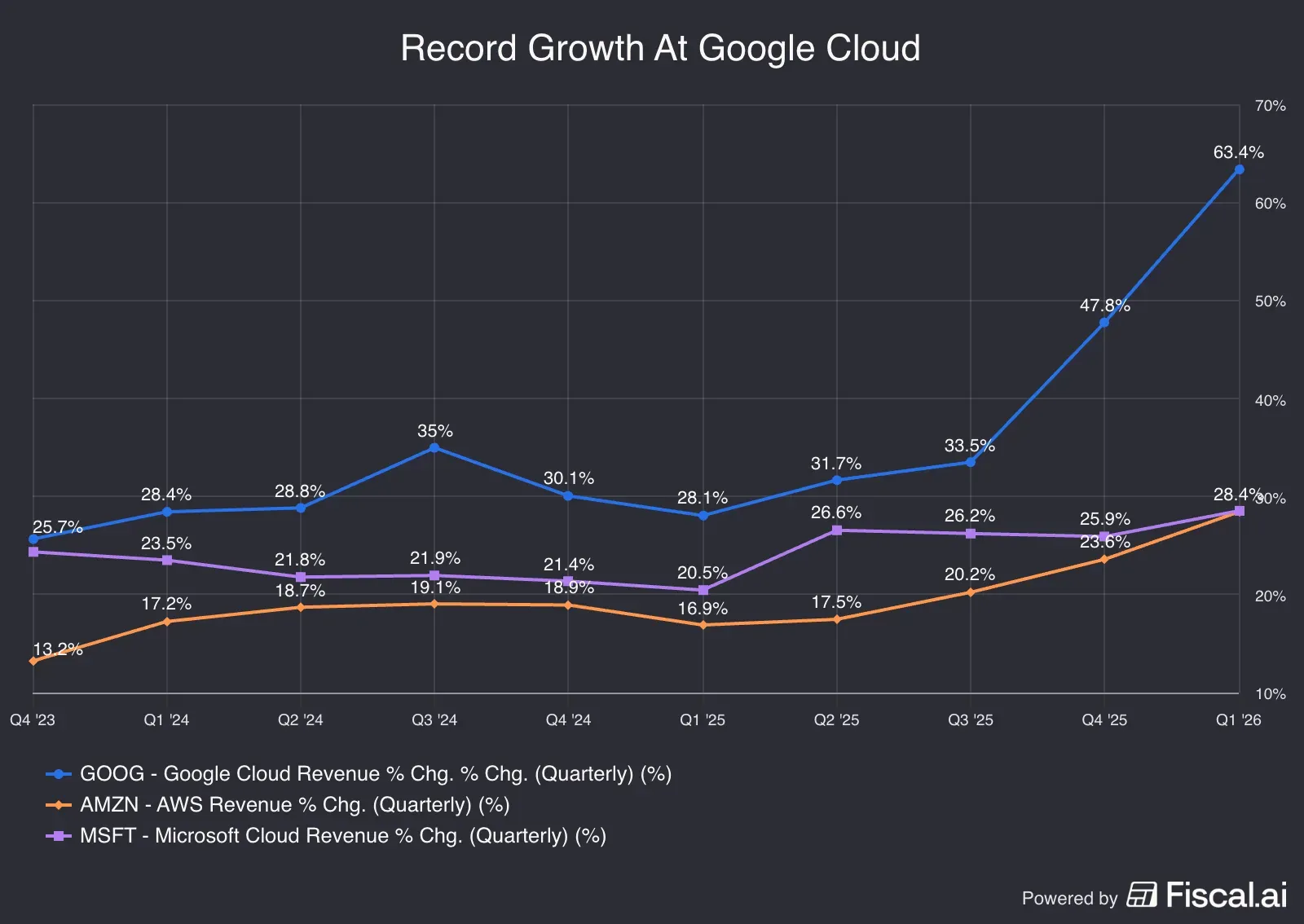
To be sure, the top three hyperscalers have risen sharply in July, underscoring the view that investors expect a solid showing. Expectations are high as they reported remarkably strong cloud growth in the first quarter, with Google Cloud sales surging a record 63%.
Advertisement|Remove ads.
Analysts expect Alphabet’s second-quarter revenue to rise over 21% to $117 billion and adjusted income to increase 26% to $2.91 per share, according to estimates from Koyfin. Besides the CapEx and cloud numbers, investors would expect clarity on reports that the company is reportedly months behind schedule on the release of Gemini 3.5 Pro, its most powerful flagship AI model.
Through Friday, almost 10% of S&P 500 firms had reported Q2 results, according to a Friday note from D.A. Davidson. So far, earnings have surged by around 51% year-over-year, ahead of the consensus for a jump of about 23% as of June 30. Most of this outperformance was skewed by a handful of semiconductor names.
On Stocktwits, the retail sentiment for GOOGL shifted to ‘extremely bullish’ as of early Wednesday, from ‘bullish’ the previous day. The stock gained 0.4% in the overnight session and had climbed 11% year to date as of its last close.
Advertisement|Remove ads.
For updates and corrections, email newsroom[at]stocktwits[dot]com.
Comments posted here will also appear on symbol pages.

Latest News
/filters:format(webp)https://news.stocktwits-cdn.com/large_Getty_Images_2250655281_jpg_c8c0e9352f.webp)
/filters:format(webp)https://news.stocktwits-cdn.com/IMG_9209_1_d9c1acde92.jpeg) Yuvraj Malik·36 seconds ago
Yuvraj Malik·36 seconds ago/filters:format(webp)https://news.stocktwits-cdn.com/astspacemobile_resized_jpg_8a6aa92413.webp)
/filters:format(webp)https://news.stocktwits-cdn.com/shivani_photo_jpg_dd6e01afa4.webp) Shivani Kumaresan·25m agoShivani Kumaresan·26m ago
Shivani Kumaresan·25m agoShivani Kumaresan·26m ago/filters:format(webp)https://news.stocktwits-cdn.com/large_rocket_lab_original_jpg_34537e2337.webp)
/filters:format(webp)https://news.stocktwits-cdn.com/IMG_8805_JPG_6768aaedc3.webp) Deepti Sri·26m ago
Deepti Sri·26m ago/filters:format(webp)https://news.stocktwits-cdn.com/large_Getty_Images_2214395581_5a055a4025.jpg)
/filters:format(webp)https://news.stocktwits-cdn.com/Aashika_Suresh_Profile_Picture_jpg_2acd6f446c.webp) Aashika Suresh·33m ago
Aashika Suresh·33m ago/filters:format(webp)https://news.stocktwits-cdn.com/large_new_york_stock_exchange_jpg_e1f85c0d8c.webp) Aashika Suresh·59m ago
Aashika Suresh·59m ago