


Advertisement|Remove ads.
Wharton's Jeremy Siegel Warns Markets Could Face 10% Correction Risk Due To Iran War, Crude Oil Spike


- Siegel explained that the core issue is not crude oil itself, but gasoline, which he said is the most visible price in the economy for consumers.
- In the short term, the economist stated that he is more cautious because of the potential for higher crude oil prices and geopolitical uncertainty that are putting pressure on stocks.
- Crude oil prices have soared since the beginning of the Iran war, with WTI crude surging more than 40%.
Advertisement|Remove ads.
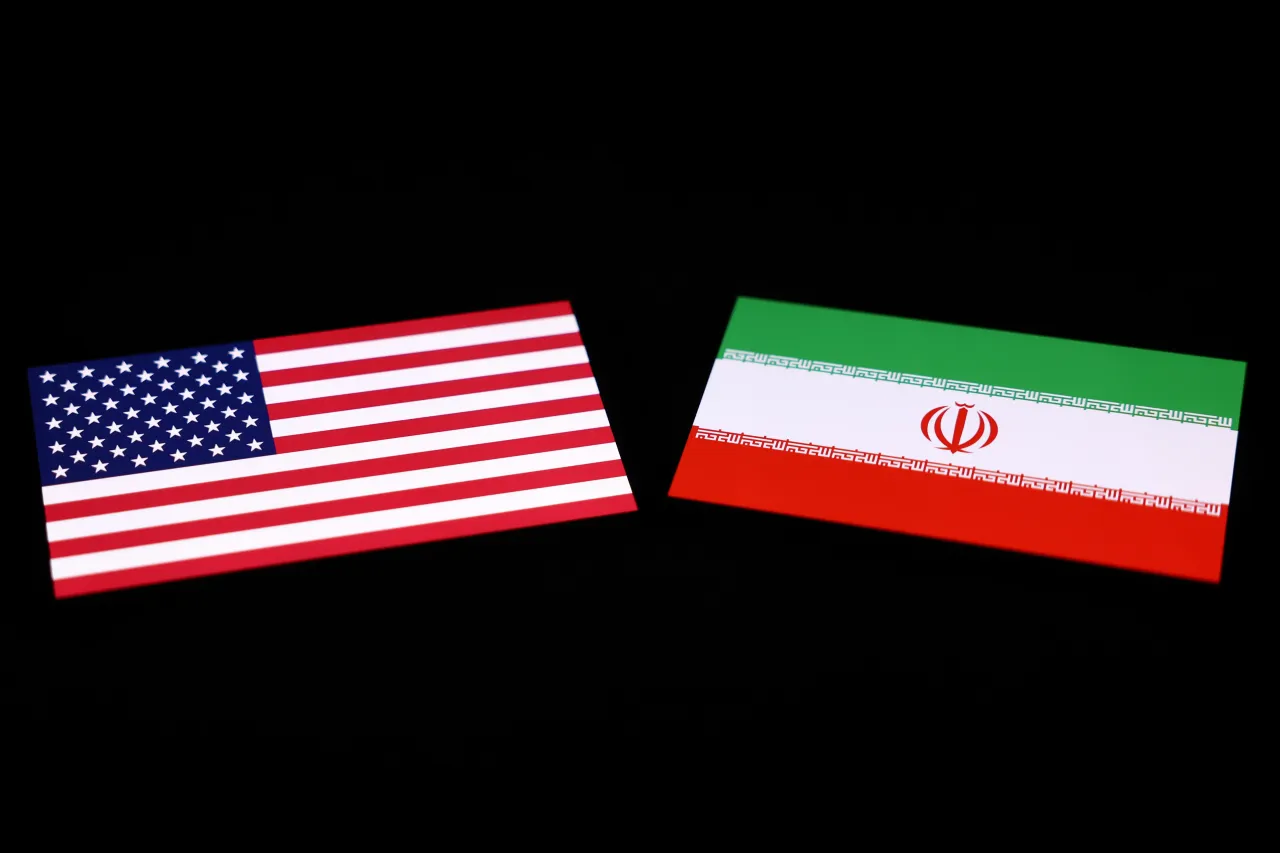
Jeremy Siegel, professor emeritus of finance at the University of Pennsylvania’s Wharton School of Business, on Tuesday warned that the Iran war and rising crude oil prices could result in a correction in U.S. equities.
“I could see the markets experiencing a 10% correction from the recent highs. We are not anticipating a major decline for the S&P 500, but the mood has clearly changed,” he said, adding that the Iran war has added a new layer of uncertainty.
Crude Oil Prices Soar Since The Start Of Iran War
Crude oil prices have soared since the beginning of the Iran war, with WTI crude surging more than 40%.
Advertisement|Remove ads.
On Tuesday, U.S. West Texas Intermediate (WTI) crude futures maturing in May were up more than 3%, hovering around $95 a barrel. Brent crude futures expiring in May rose more than 2% to hover around $103 a barrel.
The United States Oil Fund ETF (USO) gained nearly 3%, while the ProShares Ultra Bloomberg Crude Oil ETF (UCO) was up more than 4% at the time of writing.
Siegel explained that the core issue is not crude oil itself. “It is gasoline, the most visible price in the economy for consumers, and when that price jumps it hits psychology immediately. That matters, even if the broader economic effect is more balanced than the headlines,” he added.
Advertisement|Remove ads.
‘Sand In The Gears Of Global Economy’
Siegel added that he is concerned about the accumulation of friction across the economy. He highlighted that travel is being rerouted, shipping continues to be at risk, and that the Strait of Hormuz is an “obvious” pressure point.
“These disruptions put sand in the gears of the global economy. They do not necessarily end the expansion, but they can weigh on sentiment, delay activity, and create a generally sourer mood in markets,” he said.
In the short term, Siegel stated that he is more cautious because of the potential for higher crude oil prices and geopolitical uncertainty that are putting pressure on stocks. He concluded that while equity markets are facing near-term shocks, the long-term foundation remains in place.
Advertisement|Remove ads.
Meanwhile, U.S. equities gained in Tuesday’s opening trade. At the time of writing, the SPDR S&P 500 ETF (SPY), which tracks the S&P 500 index, was up 0.37%; the Invesco QQQ Trust ETF (QQQ) rose 0.31%; and the SPDR Dow Jones Industrial Average ETF Trust (DIA) gained 0.34%. Retail sentiment on Stocktwits regarding the S&P 500 ETF was in the ‘extremely bearish’ territory.
For updates and corrections, email newsroom[at]stocktwits[dot]com.
Advertisement|Remove ads.
Comments posted here will also appear on symbol pages.

Latest News
/filters:format(webp)https://news.stocktwits-cdn.com/gettyimages_2206659974_594x594_40ea0c533e.jpg)
/filters:format(webp)https://news.stocktwits-cdn.com/Harshita_3cfe02022c.jpg) Harshita Tyagi·12m ago
Harshita Tyagi·12m ago/filters:format(webp)https://news.stocktwits-cdn.com/large_Getty_Images_2237640344_jpg_bc97a7240c.webp)
/filters:format(webp)https://news.stocktwits-cdn.com/Anushka_Basu_make_me_smile_in_the_picture_b92832aa_af59_4141_aacc_4180d2241ba8_1_2_png_1086e0ed8c.webp) Anushka Basu·37m ago
Anushka Basu·37m ago/filters:format(webp)https://news.stocktwits-cdn.com/large_Getty_Images_2290038559_c6f6528203.jpg)
/filters:format(webp)https://news.stocktwits-cdn.com/Whats_App_Image_2026_05_11_at_09_45_43_1_jpeg_a08c0cf251.webp) Aveek Bhowmik·47m ago
Aveek Bhowmik·47m ago/filters:format(webp)https://news.stocktwits-cdn.com/large_Getty_Images_2257538219_jpg_2976ffdb40.webp)
/filters:format(webp)https://news.stocktwits-cdn.com/IMG_9209_1_d9c1acde92.jpeg) Yuvraj Malik·2h ago
Yuvraj Malik·2h ago/filters:format(webp)https://news.stocktwits-cdn.com/large_Getty_Images_2242116732_jpg_8edfaf9518.webp)
/filters:format(webp)https://news.stocktwits-cdn.com/shivani_photo_jpg_dd6e01afa4.webp) Shivani Kumaresan·2h ago
Shivani Kumaresan·2h ago/filters:format(webp)https://news.stocktwits-cdn.com/large_Getty_Images_1238536755_391df938ce.jpg) Anushka Basu·2h ago
Anushka Basu·2h ago