


Advertisement|Remove ads.
Michael Burry Warns Yen Carry Trade Unwind Could Result In ‘Many’ Consequences For US Stocks And Bonds
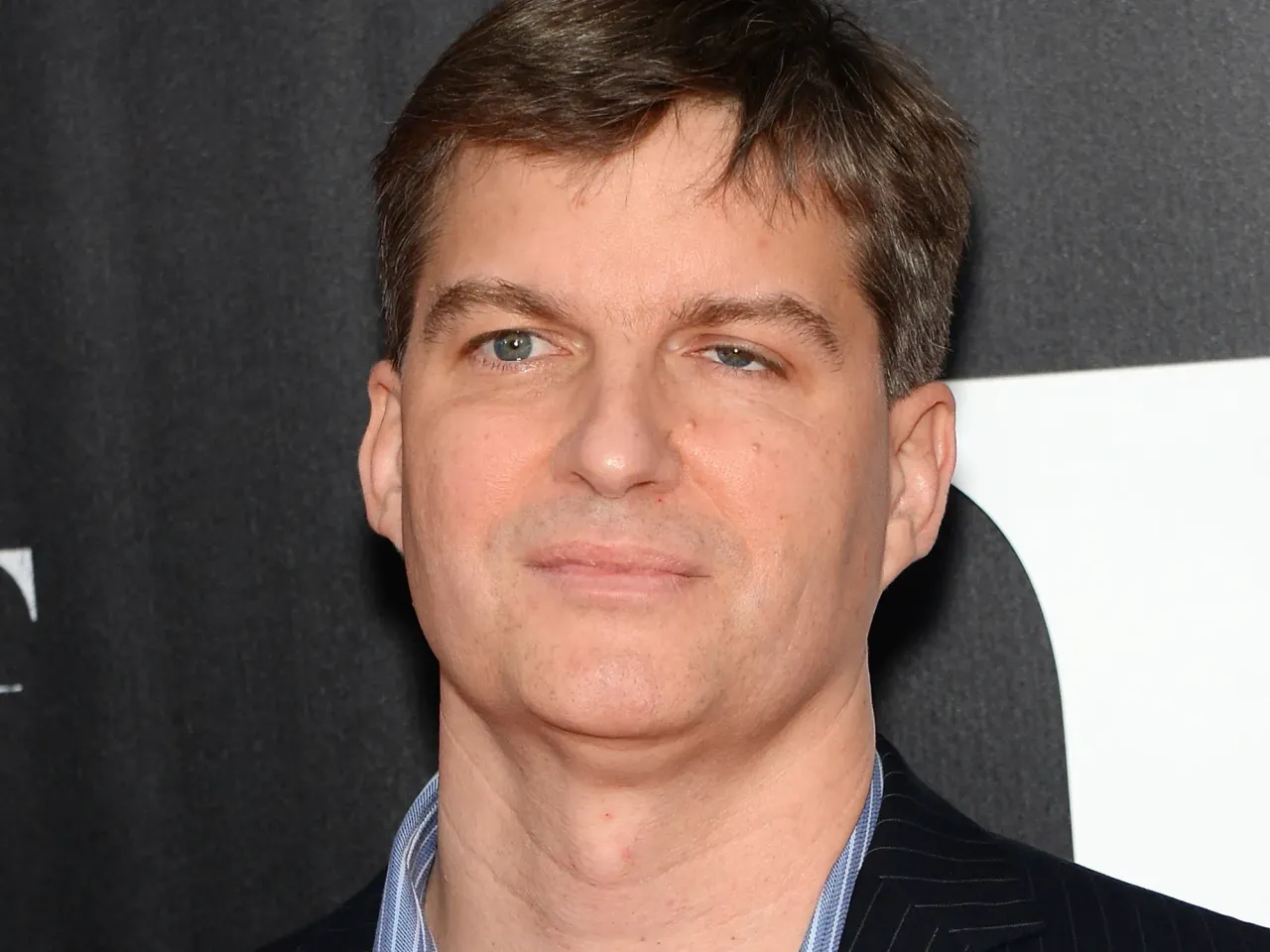


- Burry said that a trend reversal would result in a significant change in the direction of the funds flow, since money would be chasing relatively higher rates in Japan, while rates in the U.S. would be lower.
- Meanwhile, Japanese Finance Minister Satsuki Katayama has cautioned yen bears.
- The Japanese yen staged a recovery following reports of a rate check by the New York Federal Reserve, with the U.S. dollar sliding from nearly 158 yen to 154 yen at the time of writing.
Advertisement|Remove ads.
Michael Burry on Monday warned that an unwinding of the yen carry trade could have “many” consequences for U.S. stocks and bonds.
In his latest post on Substack, Burry warned that the Japanese yen is “long, long overdue for a trend reversal,” while cautioning U.S. investors about what would happen as funds are repatriated from the United States to Japan.

“I do not believe this market needs a catalyst for anything at all, but this has been proposed as a possible one for well over a year,” Burry said.
Advertisement|Remove ads.
Here’s What Concerns Burry
Explaining his concerns, Burry said that a trend reversal would result in a significant change in the direction of the funds flow, since money would be chasing relatively higher rates in Japan, while rates in the U.S. would be lower.
Meanwhile, Japanese Finance Minister Satsuki Katayama has cautioned yen bears. “I conveyed my deep concern over the one-sided depreciation of the yen, seen also on January 9, and Secretary Bessent shared this view,” Katayama told reporters, according to a report by Asahi.
Japan’s Deputy Chief Cabinet Secretary Masanao Ozaki warned of potential action from the government against speculators, according to the report. “The government will take appropriate steps on excessive currency moves, including speculative ones,” he said.
Advertisement|Remove ads.
The Japanese yen staged a recovery following reports of a rate check by the New York Federal Reserve, with the U.S. dollar sliding from nearly 158 yen to 154 yen at the time of writing.
According to a Reuters report, the NY Fed undertook USD/JPY rate checks on Friday.
What Is Burry Saying?
Explaining what he meant, Burry said that higher rates in Japan and lower rates in the U.S. could prompt investors to chase higher rates. In this case, money would be drawn to Japan, and away from the U.S.
Advertisement|Remove ads.
“The simple theory is that higher rates in Japan and lower rates in the US would hurt stocks and bonds in the US, much as the opposite circumstance has helped stocks and bonds in the US,” he said.
What Is The Yen Carry Trade?
Yen carry trade is an investment strategy wherein investors borrow money in Japanese yen at low interest rates, convert it to other currencies, and invest in assets with higher yields in other markets.
Investors benefit from the difference in the interest rates.
Advertisement|Remove ads.
An unwinding of the yen carry trade would mean investors selling their assets purchased in other currencies, and buying Japanese yen to repay their JPY-denominated loans. This would lead to higher demand for JPY and a strengthening of the currency.
Meanwhile, U.S. equities were mixed in Monday’s pre-market trade. At the time of writing, the SPDR S&P 500 ETF (SPY), which tracks the S&P 500 index, was down by 0.23%, the Invesco QQQ Trust ETF (QQQ) fell 0.17%, while the SPDR Dow Jones Industrial Average ETF Trust (DIA) edged up by 0.06%. Retail sentiment around the S&P 500 ETF on Stocktwits was in the ‘extremely bearish’ territory.
The iShares 20+ Year Treasury Bond ETF (TLT) was up 0.38% at the time of writing, while the iShares 7-10 Year Treasury Bond ETF (IEF) was flat.
Advertisement|Remove ads.
For updates and corrections, email newsroom[at]stocktwits[dot]com.
Comments posted here will also appear on symbol pages.

Latest News
/filters:format(webp)https://news.stocktwits-cdn.com/large_musk_adc78b164e.jpg)
/filters:format(webp)https://news.stocktwits-cdn.com/unnamed_jpg_9dff551b50.webp) Anan Ashraf·10m ago
Anan Ashraf·10m ago/filters:format(webp)https://st-everywhere-cms-prod.s3.us-east-1.amazonaws.com/large_pepsico_resized_jpg_9bdd1807dd.webp)
/filters:format(webp)https://news.stocktwits-cdn.com/Heera_1_1c30cb0170.PNG) Heera Hari·20m ago
Heera Hari·20m ago/filters:format(webp)https://news.stocktwits-cdn.com/large_ionis_jpg_80195eb65e.webp)
/filters:format(webp)https://news.stocktwits-cdn.com/vivekkrishnanphotography_58_jpg_0e45f66a62.webp) Arnab Paul·34m ago
Arnab Paul·34m ago/filters:format(webp)https://news.stocktwits-cdn.com/gettyimages_2299257316_612x612_c40e6aa98d.jpg)
/filters:format(webp)https://news.stocktwits-cdn.com/1707726834303_jpg_11f20a9aa9.webp) Shashank Nayar·38m ago
Shashank Nayar·38m ago/filters:format(webp)https://news.stocktwits-cdn.com/large_Getty_Images_2301241048_efc5b32b0a.jpg) Arnab Paul·41m ago
Arnab Paul·41m ago/filters:format(webp)https://news.stocktwits-cdn.com/large_Getty_Images_2295800057_979b0c0a2b.jpg)
/filters:format(webp)https://news.stocktwits-cdn.com/Harshita_3cfe02022c.jpg) Harshita Tyagi·58m ago
Harshita Tyagi·58m ago