


Advertisement|Remove ads.
As Middle East Conflict Puts Spotlight On Oil Prices, Gary Black Highlights One Of The Greatest Policy Mistakes Of All Time


Gary Black, managing partner of Future Fund, stated on Friday that the European Central Bank’s (ECB) decision to raise interest rates in July 2008, on a day when oil prices peaked, was one of the greatest policy mistakes of all time.
“The ECB was then forced to cut rates by 325 basis points 10 weeks later with the collapse of Lehman Brothers and oil’s plunge to $40 a barrel,” he stated in his post on X.
Echoes Of The 2008 Crisis
As the Middle East conflict continues unabated, Black compared the current situation to the 2008 financial crisis. He said that central banks failed to cut interest rates quickly enough and chose to focus on the impact of rising energy prices on inflation.
Advertisement|Remove ads.
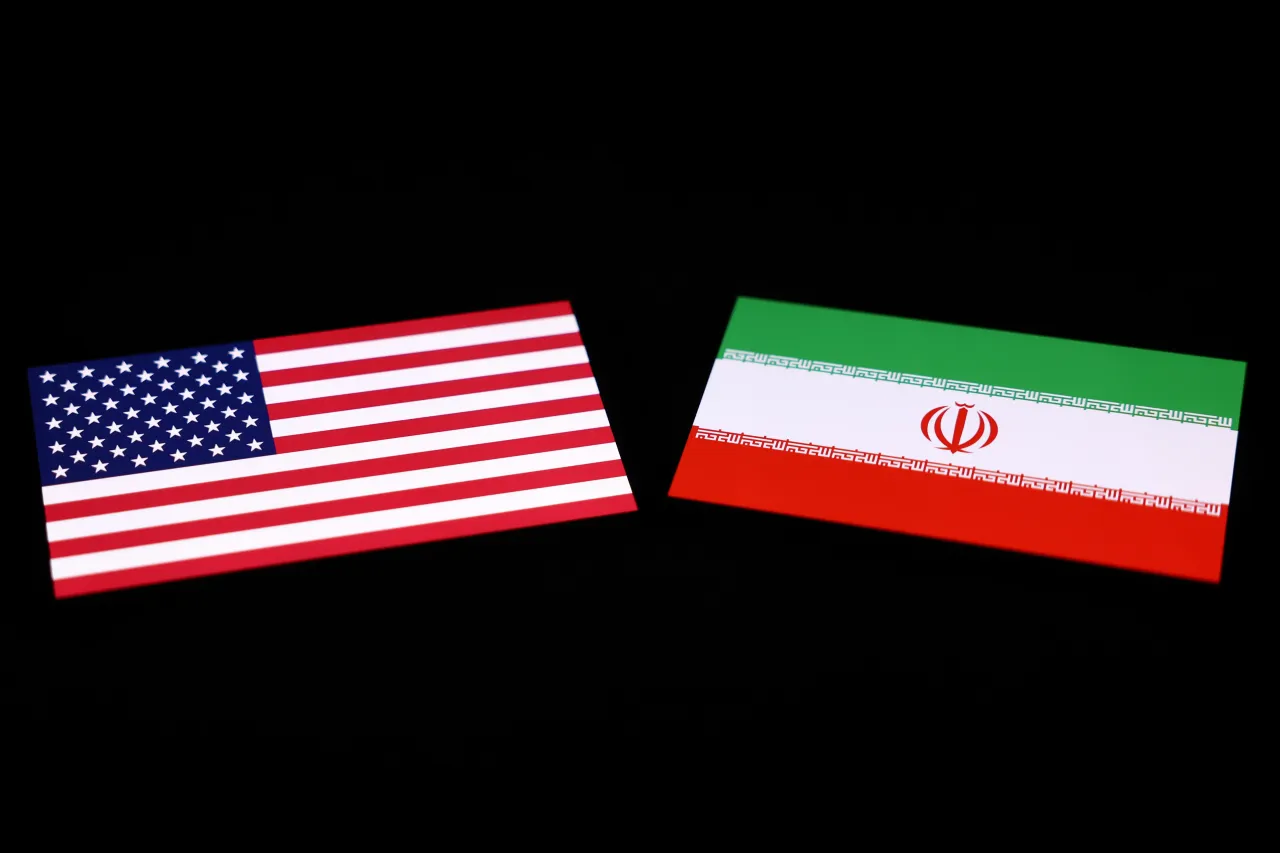
Earlier this month, the United States and Israel commenced strikes on Iran aimed largely at stopping Tehran’s nuclear program. The conflict has since spread across the Middle East, disrupting oil shipments through the vital Strait of Hormuz.
At the time of writing, U.S. West Texas Intermediate (WTI) crude futures maturing in April traded 1% higher at nearly $97 a barrel, and Brent crude futures expiring in May increased 1% at $101 a barrel.
What Drove The Historic Oil Surge?
Black also noted that the oil price surge from mid-2007 to mid-2008 differed from earlier shocks, which were driven by supply disruptions.
Advertisement|Remove ads.
“The primary driver was strong global demand led by China and other emerging economies meeting stagnating world oil production, creating a tight market where even modest imbalances required large price adjustments due to oil's low short-run price elasticity of demand and supply,” he stated.
A recent Bloomberg report cited Peter Kazimir, a member of the ECB’s Governing Council, saying that the surge in energy prices could force the ECB to consider tightening monetary policy earlier than expected.
U.S. equities edged lower on Friday. At the time of writing, the SPDR S&P 500 ETF (SPY), which tracks the S&P 500 index, was down 0.2%; the Invesco QQQ Trust ETF (QQQ) inched 0.3% lower. Retail sentiment on Stocktwits around the S&P 500 ETF was in the ‘bearish’ territory. The United States Oil Fund (USO) inched 0.2% on Friday.
Advertisement|Remove ads.
Also See: MU Stock Has Gained 46% This Year – But Wedbush Sees A Further 23% Upside
For updates and corrections, email newsroom[at]stocktwits[dot]com.
Comments posted here will also appear on symbol pages.

Latest News
/filters:format(webp)https://news.stocktwits-cdn.com/large_Semiconductors_jpg_c31a11a7a4.webp)
/filters:format(webp)https://news.stocktwits-cdn.com/Harshita_3cfe02022c.jpg) Harshita Tyagi·16m ago
Harshita Tyagi·16m ago/filters:format(webp)https://news.stocktwits-cdn.com/large_redwire_logo_jpg_9c82781656.webp)
/filters:format(webp)https://news.stocktwits-cdn.com/Heera_1_1c30cb0170.PNG) Heera Hari·21m ago
Heera Hari·21m ago/filters:format(webp)https://news.stocktwits-cdn.com/large_Getty_Images_2237943398_d52e62000b.jpg)
/filters:format(webp)https://news.stocktwits-cdn.com/Prabhjote_DP_67623a9828.jpg) Prabhjote Gill·27m ago
Prabhjote Gill·27m ago/filters:format(webp)https://news.stocktwits-cdn.com/large_Getty_Images_2187781361_2f00b8c65a.jpg)
/filters:format(webp)https://news.stocktwits-cdn.com/Anushka_Basu_make_me_smile_in_the_picture_b92832aa_af59_4141_aacc_4180d2241ba8_1_2_png_1086e0ed8c.webp) Anushka Basu·45m ago
Anushka Basu·45m ago/filters:format(webp)https://news.stocktwits-cdn.com/large_Getty_Images_2261087989_dc7cc45c20.jpg) Harshita Tyagi·54m ago
Harshita Tyagi·54m ago/filters:format(webp)https://news.stocktwits-cdn.com/large_immunitybio_jpg_eb6402d336.webp) Heera Hari·1h ago
Heera Hari·1h ago