


Advertisement|Remove ads.
US Targets China, EU, India With New Tariff Proposal — Greer Says China's 20% Rate To Be Added To Older Duties
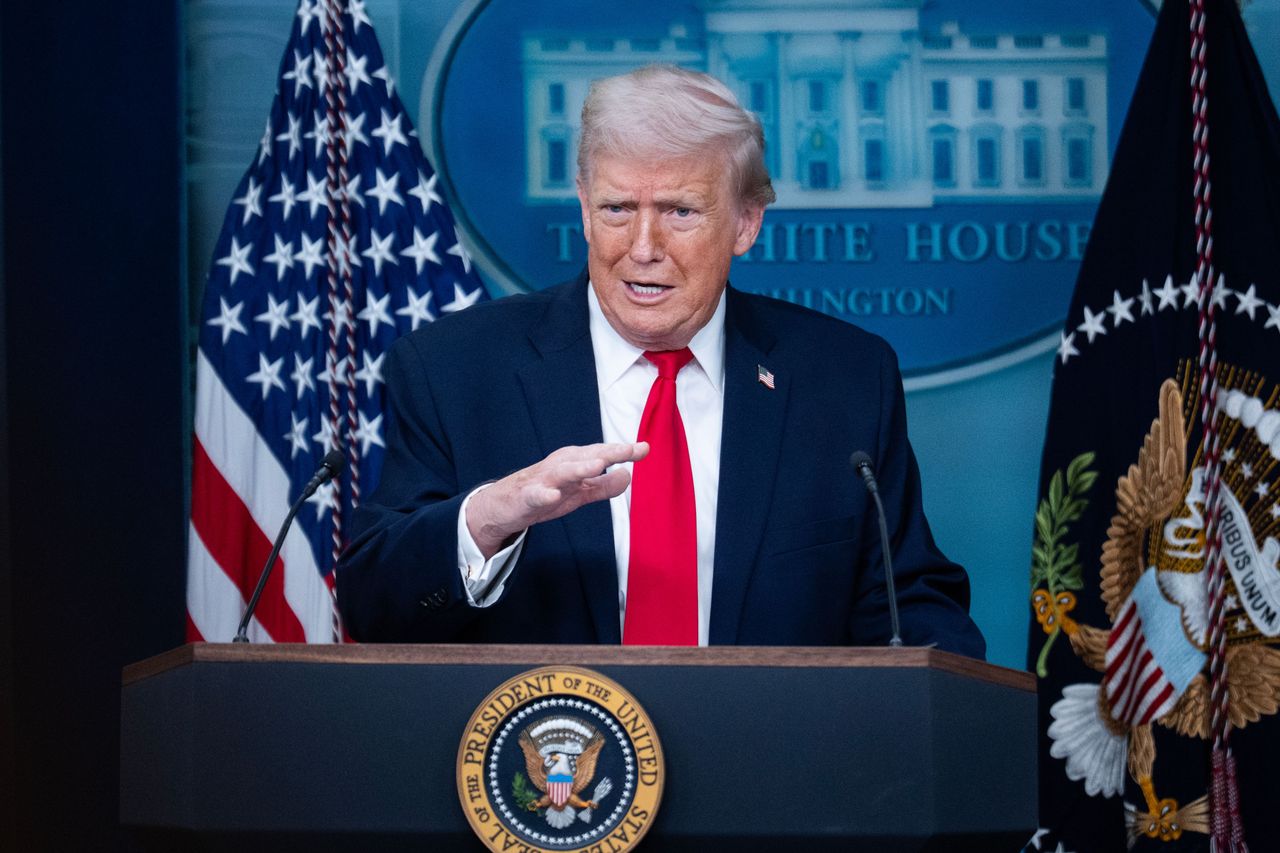


- Greer said rates for most partners would function as a “top-up” rather than being added directly to current duties.
- The US is proposing a broad exemption for about $30 billion worth of Chinese goods, Greer said.
- Greer doesn’t expect the tariffs to take effect for at least a couple of months, pending public comment and a hearing.
Advertisement|Remove ads.
The Trump administration on Wednesday proposed new tariffs on 14 major trading partners, with China facing the highest proposed rate of 20%, as the U.S. blames Beijing for flooding global markets with low-cost exports.
In an interview with CNBC, US Trade Representative Jamieson Greer said, “What we're proposing today is actually a set of targeted tariffs to respond to this problem of excess capacity.”

The proposal follows an eight-month Section 301 investigation into 16 trading partners. Tariffs were proposed on goods from China, Bangladesh, Cambodia, the European Union, India, Indonesia, Japan, South Korea, Malaysia, Singapore, Switzerland, Taiwan, Thailand, and Vietnam.
The specific rates will be published in a US Federal Register notice on Wednesday, Reuters reported, citing a senior official.
Advertisement|Remove ads.
Greer Says Most Tariffs Will Function As Top-Ups
Greer said the administration was proposing tariffs on selected goods rather than all imports from affected countries. Most rates would top up existing duties instead of stacking in full, while largely preserving negotiated trade agreements. “When it all nets out, it really will just top up a few percentage points,” he told CNBC.
However, China would face different treatment. Greer said tariffs of approximately 25% imposed on about two-thirds of Chinese imports during President Donald Trump's first term would remain in place, with the proposed 20% rate added to those duties.
“But again, we have a broad exemption that we're proposing for about 30 billion dollars worth of goods from China for a lot of those products,” Greer said.
Greer said the proposed exemptions would cover certain consumer goods, including toys. He added that the administration was proposing to implement outcomes of the US-China Board of Trade process, which he said involved agreements to remove tariffs on selected goods.
Advertisement|Remove ads.
He added that the proposal remained consistent with Washington's trade arrangements with Beijing. “That's why we're proposing this. We'll take public comment on it,” he said.
Why US Is Targeting Excess Manufacturing Capacity
Greer cited China's five-year plans, Malaysia's National Industrial Master Plan, and South Korea's government support initiatives as examples of policies he argued encouraged production beyond market demand.
“We expect to have a broad, even a plurilateral negotiation to talk about excess capacity and how to resolve it,” Greer said.
According to Reuters, the US has not proposed tariffs on Mexico and Norway while their investigations continue. Greer said the administration was still negotiating with Mexico over excess capacity and the use of Chinese inputs in goods manufactured for the US market.
Advertisement|Remove ads.
The proposed duties remain subject to a public comment period and hearing. Greer told CNBC, “I don't think any of these would actually take effect earlier than a couple months from now.” Meanwhile, Reuters reported that the public comment and hearing process could push implementation into January.
For updates and corrections, email newsroom[at]stocktwits[dot]com.
Advertisement|Remove ads.

Latest News
 Harshita Tyagi·12m ago

 Heera Hari·1h ago
 Harshita Tyagi·1h ago

 Prabhjote Gill·1h ago

 Arnab Paul·2h ago
 Prabhjote Gill·2h ago