


Advertisement|Remove ads.
White House Pushes Back On SEC, CFTC Nomination Claims Ahead Of Possible CLARITY Act Vote



- The dispute comes ahead of the Senate's return from recess on July 14, when lawmakers are expected to move toward a vote on the CLARITY Act.
- Supporters of the legislation, including Senator Cynthia Lummis, have argued that failing to pass it could leave the United States spending years "catching up" to other countries on crypto regulation.
- CFTC Chair Michael Selig said regulators could end up writing crypto rules themselves if Congress does not pass the CLARITY Act.
Advertisement|Remove ads.
The White House on Thursday pushed back on claims from Senate Democrats that it is refusing to nominate Democratic commissioners to independent agencies, including the Securities and Exchange Commission (SEC) and the Commodity Futures Trading Commission (CFTC), as the Senate prepares to return from recess on July 14 and is expected to move toward a vote on the CLARITY Act.
In a letter to Senate leaders, the White House said it had asked Democrats for recommendations for vacant seats at both agencies but had “not received names in response.” The letter comes as pressure builds to fill open commissioner seats before the Senate takes up the crypto legislation.
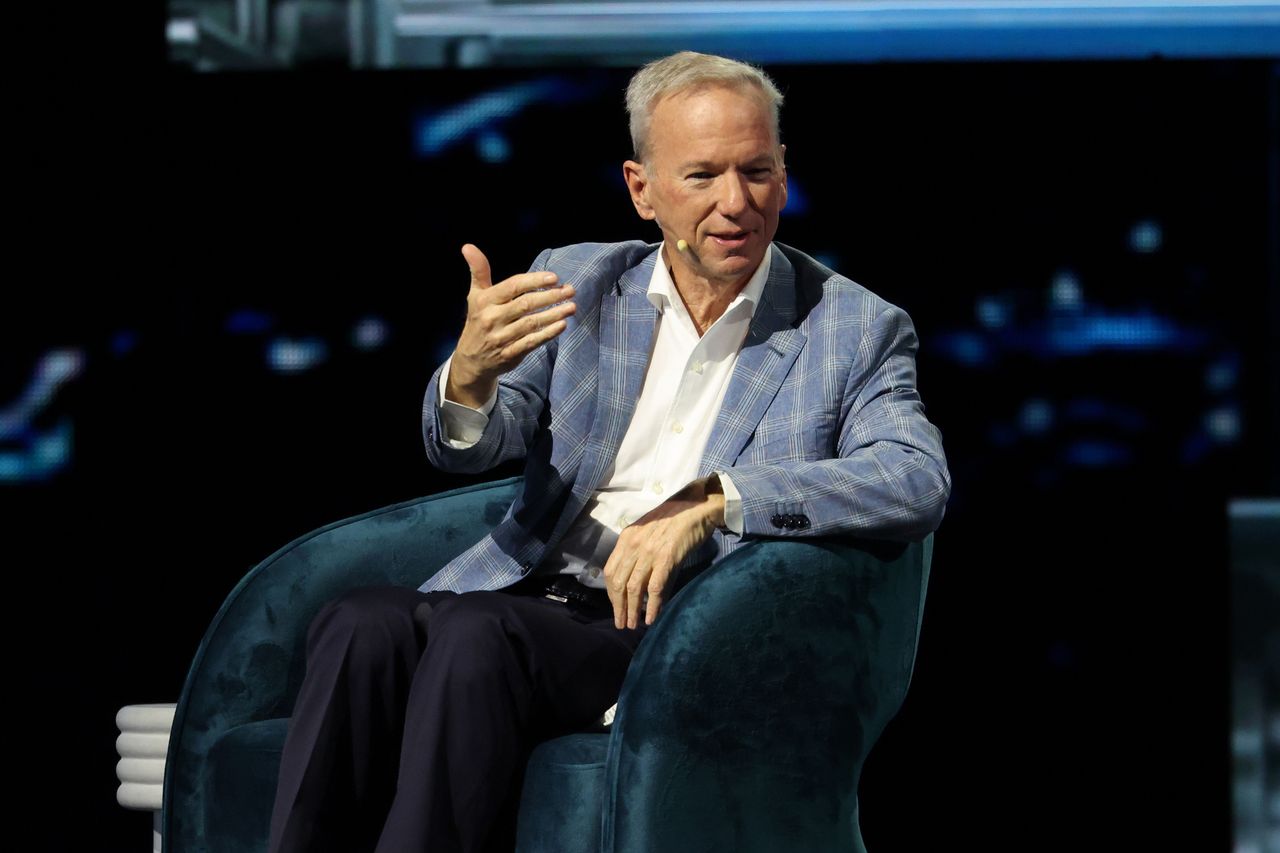
The exchange comes as pressure grows to fill open seats at the SEC and CFTC before lawmakers take up major cryptocurrency legislation. Both parties have argued that the agencies should have full leadership benches in place before significant new crypto rules are advanced.
Advertisement|Remove ads.
Senate Expected To Advance CLARITY Act
Supporters of the bill have increasingly framed the legislation as a critical opportunity to establish a comprehensive U.S. framework for digital assets.
Senator Cynthia Lummis (R-WY), one of the bill’s strongest supporters, said earlier this week on X that “this is likely our last chance to get real legislation for digital assets on the books before 2030.” She added that if Congress fails to pass the CLARITY Act, “we are ensuring another country will write the rules for digital assets, and we spend the next decade catching up.”
That argument is being echoed by regulators as well. CFTC Chair Michael Selig said in an interview with Fox Business on Wednesday that if Congress does not pass the CLARITY Act, regulators could end up “writing all the rules” for crypto themselves.
Advertisement|Remove ads.
Three Issues Still Complicate The CLARITY Act
Despite broad support for clearer digital asset rules, negotiations continue over several unresolved provisions.
One major issue involves the Blockchain Regulatory Certainty Act (BRCA). Language approved by the Senate Banking Committee would preserve the provision in any version of the CLARITY Act brought to the floor.
Senator Ron Wyden (D-KS) has urged Senate leaders to keep the language intact, arguing that non-custodial software developers should not be treated as money transmitters merely for publishing code, while still allowing the Justice Department and FinCEN to pursue illicit actors.
However, some law enforcement groups have raised concerns about the provision and may seek changes before offering broader support, including from some Democratic senators.
Advertisement|Remove ads.
A second dispute centers on Section 604, which would exempt certain software developers and infrastructure providers from being treated as money transmitters. Critics argue the exemption could weaken anti-money laundering and investigative tools.
A third unresolved issue involves stablecoin rewards. Lawmakers are still debating whether platforms such as Coinbase (COIN) should be allowed to continue offering customer "rewards" on stablecoin holdings even though the GENIUS Act prohibits issuers from paying interest.
With the Senate returning next week, attention will shift from procedural debates to whether lawmakers can bridge the remaining policy divides and bring the bill to a floor vote.
Advertisement|Remove ads.
The overall cryptocurrency market was trending higher on Thursday, up 1% to around $2.2 trillion. Bitcoin (BTC), Ethereum (ETH), and other major cryptocurrencies edged higher amid easing oil prices as geopolitical tensions between the U.S. and Iran continued to play out.
Read also: MARA Stock Jumps After 1,200-Acre Texas Acquisition Set To Double Power Capacity
For updates and corrections, email newsroom[at]stocktwits[dot]com
Advertisement|Remove ads.
Comments posted here will also appear on symbol pages.

Latest News
/filters:format(webp)https://news.stocktwits-cdn.com/large_Getty_Images_2245341683_0cb2bc89f5.jpg)
/filters:format(webp)https://news.stocktwits-cdn.com/1707726834303_jpg_11f20a9aa9.webp) Shashank Nayar·53m ago
Shashank Nayar·53m ago/filters:format(webp)https://news.stocktwits-cdn.com/large_Getty_Images_2269282844_jpg_933bcaa49e.webp) Shashank Nayar·1h ago
Shashank Nayar·1h ago/filters:format(webp)https://news.stocktwits-cdn.com/large_chips_ai_4770ebc76c.jpg) Shashank Nayar·2h ago
Shashank Nayar·2h ago/filters:format(webp)https://news.stocktwits-cdn.com/large_Anthropic_ec1c7b5ee9.jpg) Shashank Nayar·4h ago
Shashank Nayar·4h ago/filters:format(webp)https://st-everywhere-cms-prod.s3.us-east-1.amazonaws.com/large_bloom_energy_resized_d69c98fd7a.jpg) Shashank Nayar·5h ago
Shashank Nayar·5h ago/filters:format(webp)https://news.stocktwits-cdn.com/gettyimages_2257971883_594x594_1606ccd0ba.jpg)
/filters:format(webp)https://news.stocktwits-cdn.com/Heera_1_1c30cb0170.PNG) Heera Hari·7h ago
Heera Hari·7h ago