


Advertisement|Remove ads.
Dan Ives Sees ‘Rollercoaster Ride’ Ahead For AI Stocks, But Says Nvidia Bull Case Remains Intact — ‘Our Stress Test Stands’
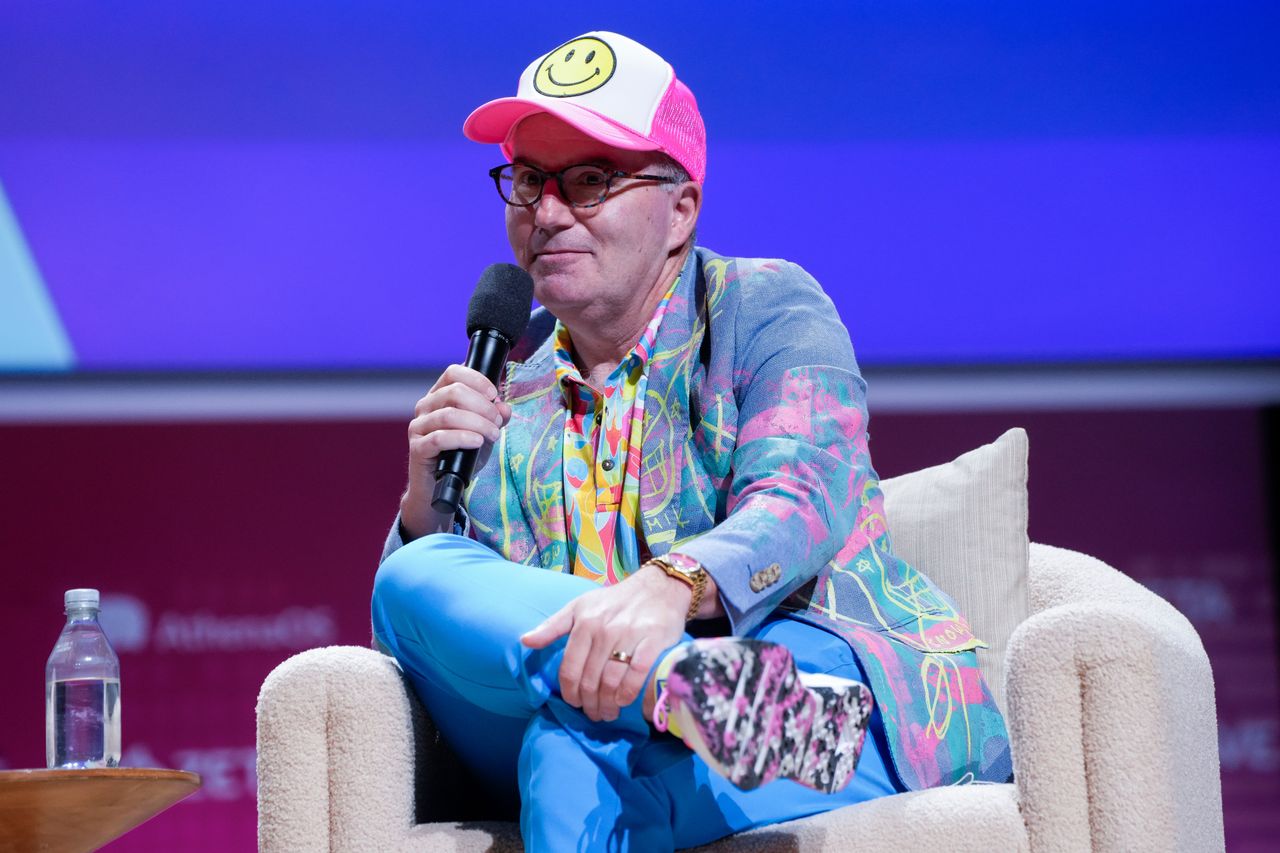


- Ives acknowledged that a "rollercoaster ride" lies ahead for AI stocks, particularly with Nvidia CEO Jensen Huang preparing to face lawmakers in Washington next week.
- However, he said his investment thesis remains unchanged, including his conviction in Nvidia and other companies benefiting from the AI infrastructure buildout.
- Ives believes China's contribution through the Asia loophole represents a manageable risk rather than a threat to the broader AI investment cycle.
Advertisement|Remove ads.
The artificial intelligence trade could face more turbulence as investors weigh uncertainty around data center spending, China-related restrictions and the cost of financing the massive infrastructure buildout.
However, Yorkville Ives partner Dan Ives isn't backing away from his bullish outlook, arguing that even a combination of adverse scenarios would not derail the AI revolution over the next several years.
Nvidia shares gained nearly 1% in Friday’s regular session, but edged lower by 0.5% during the after-hours trade.
Advertisement|Remove ads.
Ives Puts AI Boom Through 3-Part Stress Test
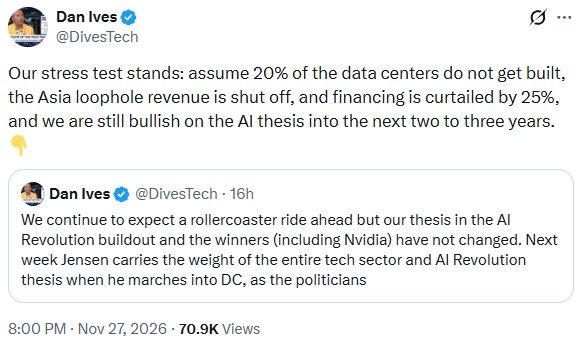
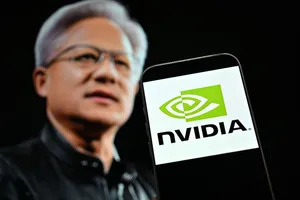
In multiple posts on X on Friday, Ives acknowledged that a "rollercoaster ride" lies ahead for AI stocks, particularly with Nvidia Corp. (NVDA) CEO Jensen Huang preparing to face lawmakers in Washington next week.
However, he said his investment thesis remains unchanged, including his conviction in Nvidia and other companies benefiting from the AI infrastructure buildout.
Ives outlined three potential setbacks to test the resilience of the AI investment cycle, namely, 20% of planned data centers never getting built, revenue through the Asia export loophole disappearing entirely, and financing for AI infrastructure being curtailed by 25%.
Advertisement|Remove ads.
Even under those conditions, Ives said he remains bullish on the AI investment thesis over the next two to three years.
Why Ives Isn't Worried
Ives believes China's contribution through the Asia loophole represents a manageable risk rather than a threat to the broader AI investment cycle.
He estimated that China and the Asia loophole account for no more than 15% to 20% of revenue, suggesting that even losing that business would not fundamentally change his long-term outlook.
Advertisement|Remove ads.
Data center construction is another major concern for investors, particularly amid growing political opposition and questions about whether technology companies can sustain their enormous capital expenditure plans.
However, Ives' stress test assumes that one-fifth of these projects never materialize, alongside a 25% reduction in financing. His argument is that the AI opportunity remains compelling even if the infrastructure expansion encounters significant setbacks.
He also pointed to next week's congressional proceedings involving Huang as a major moment for the technology sector, saying the Nvidia CEO carries the weight of the broader AI investment thesis into Washington.
Advertisement|Remove ads.
Ives Previously Called AI Sell-Off One Of The Most 'Disconnected' He's Seen
Ives' latest comments build on his recent defense of the AI trade amid a broader technology stock sell-off.
During an interview last week, he described the downturn as one of the most "disconnected" technology sell-offs of his career, arguing that investors were pricing in a scenario where the AI revolution simply disappears.
"These stocks are almost pricing in that the AI revolution doesn't happen, that it basically goes away," he said.
Advertisement|Remove ads.
Ives also argued that the industry remains in its early stages, estimating that the AI revolution is less than 15% complete.
He pointed to persistent chip demand, saying buyers looking to order AI processors could face wait times extending until the end of 2028. He also noted that roughly 75% of data center projects were already permitted.
"This is not the end. This is just a turbulent, scary time for investors where it's all kind of come to a head here," Ives said.
Advertisement|Remove ads.
During the after-hours session on Friday, the SPDR S&P 500 ETF (SPY), which tracks the S&P 500 index, rose 0.41%; the Invesco QQQ Trust ETF (QQQ) declined 0.06%; and the SPDR Dow Jones Industrial Average ETF Trust (DIA) gained 0.23%. Retail sentiment on Stocktwits toward the S&P 500 ETF was in the ‘extremely bullish’ territory at the time of writing.
The Global X Artificial Intelligence & Technology ETF (AIQ) gained nearly 4% on Friday, while the iShares U.S. Technology ETF (IYW) rose over 2%.
Advertisement|Remove ads.
For updates and corrections, email newsroom[at]stocktwits[dot]com.

Latest News
 Stocktwits News Desk·10m ago
 Anushka Basu·20m ago
 Stocktwits News Desk·47m ago
 Stocktwits News Desk·2h ago
 Anushka Basu·2h ago
 Stocktwits News Desk·3h ago
Comments posted here will also appear on symbol pages.