


Advertisement|Remove ads.
Is Anthropic Destroying Rare Books After Training AI Models On Them? Elon Musk, Michael Burry And Others React Amid Online Outrage
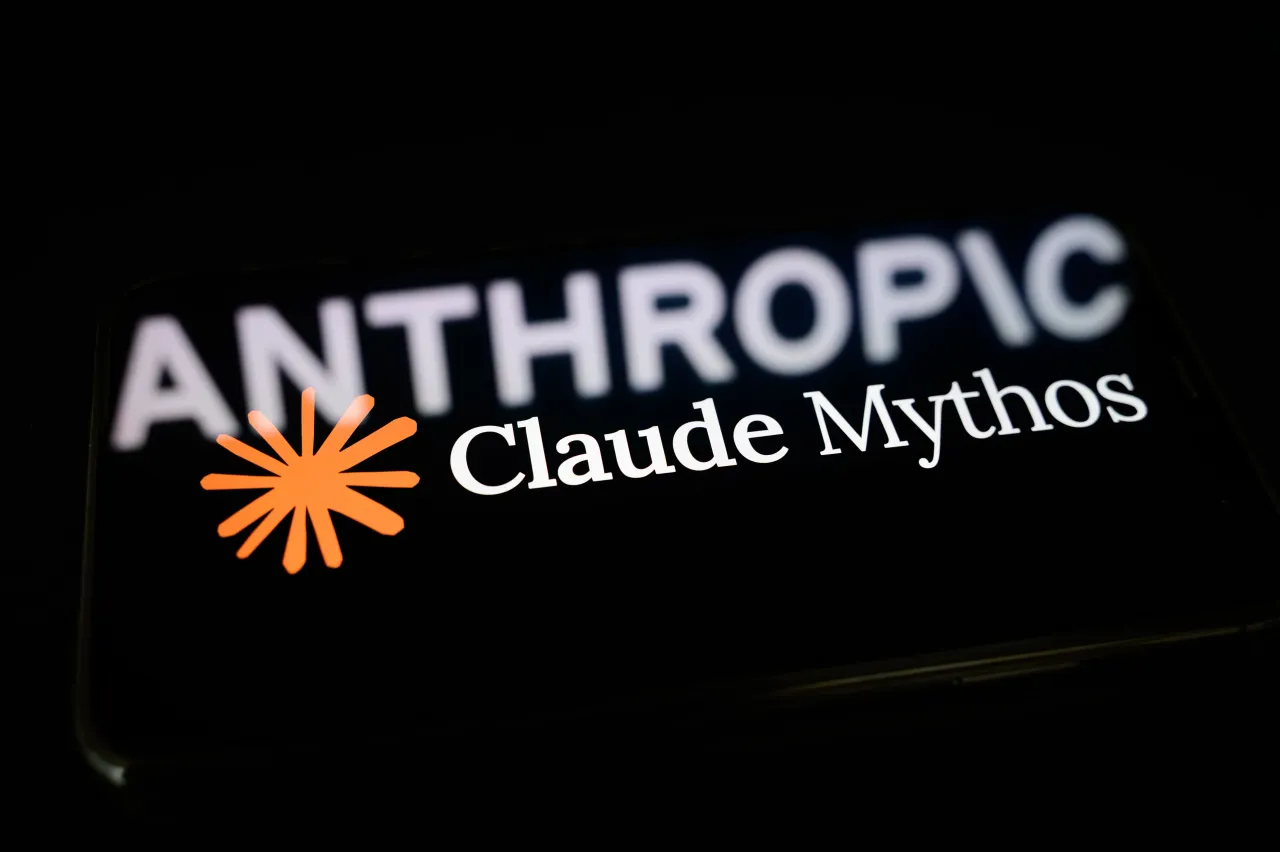


- Last week, Anthropic agreed to pay $1.5 billion to settle a class-action lawsuit alleging it used hundreds of thousands of pirated books to train its Claude AI models.
- X users, including personalities like Michael Burry and David Sachs, criticized Anthropic.
- Over the past three years, authors, news publishers, artists and image libraries have filed dozens of copyright lawsuits against AI companies.
Advertisement|Remove ads.
Anthropic was at the center of another controversy this week after details emerged from a recently settled lawsuit, revealing that the AI company had purchased rare books in bulk, scanned them using high-speed machines that sliced off their spines, and then shredded the original copies.
According to the settled lawsuit, Anthropic used a hydraulic powered cutting machine to neatly remove the pages from the books it procured from book resellers and then scanned them using industrial-grade imaging equipment, tech news site Futurism reported.

However, since Anthropic was converting the original physical texts into digital copies — rather than redistributing them as new copies — a judge found this to be “transformative” and therefore protected by fair use. In fact, 404 Media reported there exist services – one such being ISBNdb – that offer AI companies rare books and keep buyers’ identities anonymous.
Advertisement|Remove ads.
Last week, Anthropic agreed to pay $1.5 billion to settle a class-action lawsuit alleging it used hundreds of thousands of pirated books to train its Claude AI models, marking the largest copyright settlement in U.S. history. Still, Anthropic faced backlash on X.
Posting through X, noted investor Michael Burry wrote “Evil incarnate” in response to a user’s post about the said practice, and Tesla and SpaceX founder said he had asked the SpaceXAI team to preserve any rare books in a library and “scan them the hard way vs just cutting off the spine and scanning.”
“Anthropic maintains that it is entitled to train for free on all the world’s output, even if the author objects. But if a competitor trains on Anthropic’s output after paying for it, that is IP theft. The hypocrisy is breathtaking,” venture capitalist and chair of the President's Council of Advisors on Science and Technology David Sacks said in an X post.
Advertisement|Remove ads.
AI copyright suits are not new. Over the past three years, authors, news publishers, artists and image libraries have filed dozens of lawsuits against AI companies, alleging they copied copyrighted books, articles, images and other creative works without permission to train generative AI models.
The outcomes have been mixed. The New York Times’ lawsuit against OpenAI and Microsoft remains ongoing, while Getty Images’ legal battle with Stability AI is also still being litigated in the U.S. after a mixed outcome in the U.K.
For updates and corrections, email newsroom[at]stocktwits[dot]com.
Advertisement|Remove ads.
Comments posted here will also appear on symbol pages.

Latest News
/filters:format(webp)https://news.stocktwits-cdn.com/large_kroger_resized_jpg_df58ccdaf5.webp)
/filters:format(webp)https://news.stocktwits-cdn.com/1707726834303_jpg_11f20a9aa9.webp) Shashank Nayar·42m ago
Shashank Nayar·42m ago/filters:format(webp)https://news.stocktwits-cdn.com/large_Getty_Images_2271872828_24a8400504.jpg)
/filters:format(webp)https://news.stocktwits-cdn.com/unnamed_jpg_9dff551b50.webp) Anan Ashraf·45m ago
Anan Ashraf·45m ago/filters:format(webp)https://news.stocktwits-cdn.com/large_Seagate_jpg_50a56724b4.webp) Shashank Nayar·2h ago
Shashank Nayar·2h ago/filters:format(webp)https://news.stocktwits-cdn.com/large_Getty_Images_2128530471_1b79e1b428.jpg) Anan Ashraf·2h ago
Anan Ashraf·2h ago/filters:format(webp)https://news.stocktwits-cdn.com/large_qualcomm_jpg_bf257cee94.webp) Shashank Nayar·3h ago
Shashank Nayar·3h ago/filters:format(webp)https://news.stocktwits-cdn.com/large_Getty_Images_1321754803_jpg_a6258004b8.webp)
/filters:format(webp)https://news.stocktwits-cdn.com/Anushka_Basu_make_me_smile_in_the_picture_b92832aa_af59_4141_aacc_4180d2241ba8_1_2_png_1086e0ed8c.webp) Anushka Basu·3h ago
Anushka Basu·3h ago