


Advertisement|Remove ads.
S&P Joins Nasdaq, Russell In Push To Speed Index Entry For Mega IPOs Ahead Of SpaceX, OpenAI Listings
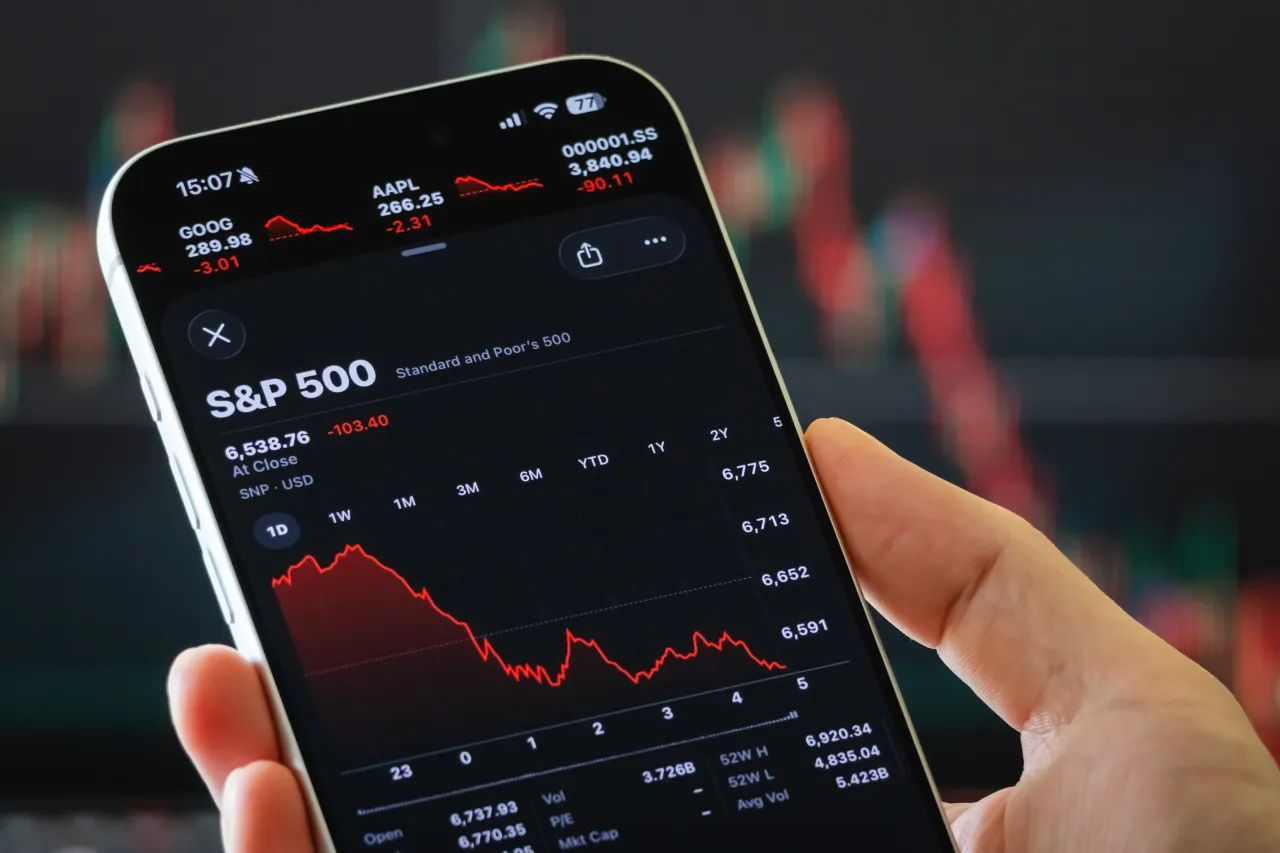


- The S&P index provider is also considering changes to profitability and liquidity requirements for large companies to become eligible for inclusion.
- It is joining similar moves proposed by the Nasdaq and FTSE Russell earlier this year.
- The move comes ahead of massive IPOs by SpaceX, OpenAI, and Anthropic, projected to raise over $240 billion combined.
Advertisement|Remove ads.
S&P Dow Jones Indices announced on Thursday that it has launched a consultation on potential rule changes that could speed up the inclusion of mega-cap public listings into its flagship indexes, following similar moves by the Nasdaq and FTSE Russell.
Among the most pertinent changes proposed, the rule change would halve the minimum required public listing period to become eligible for index listing, from the current 12 months to 6 months.
The move comes ahead of initial public offerings (IPOs) by large companies like SpaceX, OpenAI, and Anthropic PBC, which are eyeing public listings later this year.
Advertisement|Remove ads.
S&P Inclusion Proposed Changes
Apart from changes to the time period, the index provider is also considering changes to the profitability and liquidity requirements for large companies to become eligible for inclusion.
As per the statement, the index provider is weighing the possibility that mega-cap companies may not meet the minimum investable weight factor eligibility requirement, which currently requires a public float of at least 10%.
Additionally, companies that meet the mega-cap definition may be exempt from the financial viability criteria, meaning they could be included even if they do not post positive net income from operations.
Advertisement|Remove ads.
The consultation period is open until May 28, the index provider said, adding that if the changes are approved, the new rules are likely to take effect before the market opens on June 8, unless otherwise announced.
Nasdaq, Russell Changes
Nasdaq’s overhaul to fast-track entry to the Nasdaq 100 index will take effect on May 1. The new inclusion rules will allow newly listed mega-cap companies to join the index after just 15 trading days, rather than waiting months.
Meanwhile, FTSE Russell proposed shortening an IPO’s waiting period to five trading days. While the consultation wrapped up earlier this month, final changes are yet to be announced.
Advertisement|Remove ads.
How Does It Impact Markets?
Later this year, SpaceX, OpenAI, and Anthropic are poised for a massive IPO wave that is projected to raise over $240 billion combined, potentially reshaping market liquidity. SpaceX is targeting a valuation of more than $2 trillion, while both OpenAI and Anthropic are vying for listings at valuations over $1 trillion each.
“This means when/if SpaceX IPOs, the company could be added to the S&P 500 as soon as 6 months after it IPOs, potentially triggering hundreds of dollars billions of dollars of forced buying upon index inclusion,” said Tesla investor and influencer Sawyer Merritt in a post on X about the proposed changes to the S&P indexes.
Meanwhile, U.S. stock indexes are soaring this month, with the S&P 500 and Nasdaq Composite indexes posting record highs on Thursday. The SPDR S&P 500 ETF (SPY), which tracks the S&P 500 index, climbed about 0.34% higher at the time of writing, while the Invesco QQQ Trust (QQQ) and the SPDR Dow Jones Industrial Average ETF Trust (DIA) also rose in overnight trading.
Advertisement|Remove ads.
Retail sentiment around all three was in the ‘bullish’ territory at the time of writing.
For updates and corrections, email newsroom[at]stocktwits[dot]com.
Comments posted here will also appear on symbol pages.

Latest News
/filters:format(webp)https://news.stocktwits-cdn.com/large_Getty_Images_2211501550_jpg_83015d6ea6.webp)
/filters:format(webp)https://news.stocktwits-cdn.com/Anushka_Basu_make_me_smile_in_the_picture_b92832aa_af59_4141_aacc_4180d2241ba8_1_2_png_1086e0ed8c.webp) Anushka Basu·5h ago
Anushka Basu·5h ago/filters:format(webp)https://news.stocktwits-cdn.com/large_Getty_Images_2274862452_ddcd516593.jpg) Anushka Basu·6h ago
Anushka Basu·6h ago/filters:format(webp)https://news.stocktwits-cdn.com/large_Getty_Images_539933904_5b50447f33.jpg) Anushka Basu·7h ago
Anushka Basu·7h ago/filters:format(webp)https://news.stocktwits-cdn.com/large_Getty_Images_1454302914_ad119364f4.jpg)
/filters:format(webp)https://st-everywhere-cms-prod.s3.us-east-1.amazonaws.com/i_OS_App_Icon_1_8054f2a2fe.png) Stocktwits News Desk·7h ago
Stocktwits News Desk·7h ago/filters:format(webp)https://news.stocktwits-cdn.com/large_Getty_Images_2296453699_164b3400f3.jpg) Stocktwits News Desk·8h ago
Stocktwits News Desk·8h ago/filters:format(webp)https://news.stocktwits-cdn.com/Getty_Images_2210967011_jpg_b1d6197b5b.webp) Anushka Basu·8h ago
Anushka Basu·8h ago