


Advertisement|Remove ads.
Strait Of Hormuz Closed Again By Iran While ‘Piracy’ Row With US Intensifies


- Iran shut the Strait of Hormuz again on Saturday, citing the US blockade and raising oil supply risks.
- Tehran reportedly proposed tighter control, allowing only IRGC-approved ships with tolls.
- Diplomatic efforts continue, with cautious hopes despite ongoing tensions.Iran has reportedly closed the Strait of Hormuz on Saturday, just hours after temporarily reopening it to non-military traffic.
Advertisement|Remove ads.
The Islamic Revolutionary Guards Corps (IRGC) has stated that the waterway would remain under strict military control until full freedom of navigation for Iranian vessels is restored, citing Washington's alleged failure to lift its naval blockade and continuation of what it called "acts of piracy" as the reason for the decision, according to Al Jazeera.
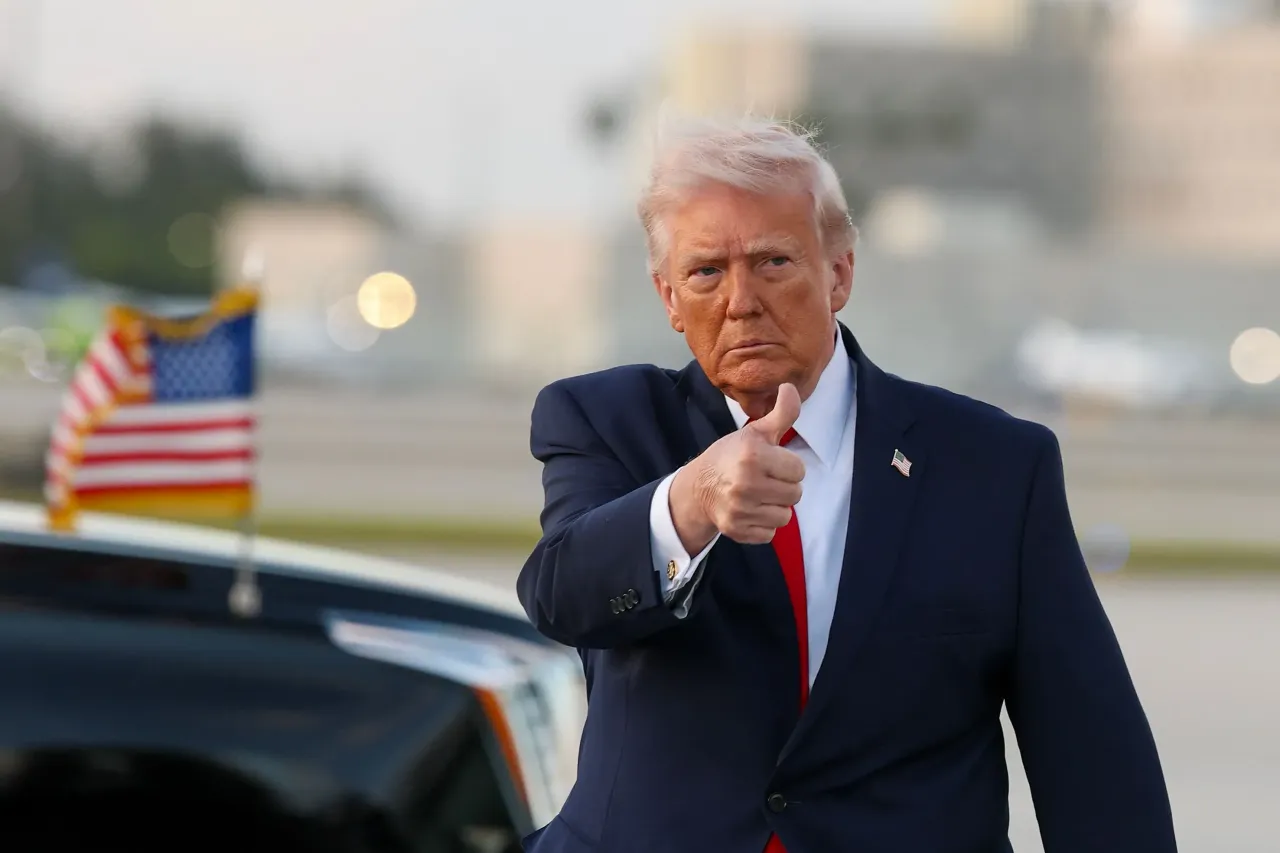
Despite his claim that a solution is likely, US President Donald Trump cast doubt on ongoing negotiations, stating that the blockade would remain in place even if the current ceasefire expires this week. Limited tanker movement continued during the brief reopening, but US Marines reportedly turned back 21 tankers, showing the mounting risks to global energy flows along one of the world's most important oil transit routes.

Iran Signals New Strait Of Hormuz Regime
According to the Al Jazeera report, Ebrahim Azizi, head of Iran's National Security Committee, said in a new update that there might be a change in maritime policy. He said, "The time has come to comply with a new maritime regime for the Strait of Hormuz."
Advertisement|Remove ads.
Under this plan, only commercial ships that have been approved by the IRGC Navy would be able to go via certain routes after paying tolls. This would mean that transit would be more tightly controlled. He also said that any US meddling with Iranian vessels may quickly change the scenario.
The Khatam al-Anbiya military command agreed with this and said that the strait would stay under strict supervision until the US lets Iranian ships move freely. The report talks about how Iran is sending confusing messages.
The developments come amid continuous coordination among a quadrilateral group that includes Pakistan, Saudi Arabia, Turkey, and Egypt, with cautious hope emerging despite persistent disagreements.
Advertisement|Remove ads.
While no formal date has been set, diplomatic activity has increased, including Pakistan army chief Asim Munir's recent visit to Tehran, where he spoke with key Iranian officials and underscored the necessity for ongoing talks to restore regional stability.
Markets Remain Muted
The geopolitical winds could affect the defense, energy and oil sectors. The Energy Select Sector SPDR ETF (XLE) fell 2.76% on Friday, closing at $55.02. The iShares U.S. Aerospace & Defense ETF (ITA), on the other hand, was up 1.27% to close at $231.94. On Stocktwits, retail sentiment around XLE remained in the ‘extremely bearish’ zone over the past day, while for ITA, retail sentiment remained ‘bearish’.
The United States Oil Fund (USO) underperformed, closing down more than 7% on Friday. On Stocktwits, retail sentiment around USO dropped to ‘extremely bearish’ from ‘bearish’ zone.
Advertisement|Remove ads.
Read also: Over $800 Million Crypto Bets Wiped Out Amid Bitcoin’s Rally To $78,000
For updates and corrections, email newsroom[at]stocktwits[dot]com.
Comments posted here will also appear on symbol pages.

Latest News
/filters:format(webp)https://news.stocktwits-cdn.com/large_Getty_Images_2272104605_jpg_736f4d886d.webp)
/filters:format(webp)https://news.stocktwits-cdn.com/shivani_photo_jpg_dd6e01afa4.webp) Shivani Kumaresan·38m ago
Shivani Kumaresan·38m ago/filters:format(webp)https://st-everywhere-cms-prod.s3.us-east-1.amazonaws.com/large_nvidia_jensen_huang_ces_2025_resized2_406c6b4943.jpg)
/filters:format(webp)https://news.stocktwits-cdn.com/IMG_8805_JPG_6768aaedc3.webp) Deepti Sri·57m ago
Deepti Sri·57m ago/filters:format(webp)https://news.stocktwits-cdn.com/large_Getty_Images_2263970718_jpg_6eee003c20.webp)
/filters:format(webp)https://news.stocktwits-cdn.com/Aashika_Suresh_Profile_Picture_jpg_2acd6f446c.webp) Aashika Suresh·2h ago
Aashika Suresh·2h ago/filters:format(webp)https://news.stocktwits-cdn.com/large_elon_musk_f04806b648.jpg) Deepti Sri·2h ago
Deepti Sri·2h ago/filters:format(webp)https://news.stocktwits-cdn.com/large_Getty_Images_2295800057_fd745de575.jpg) Shivani Kumaresan·2h ago
Shivani Kumaresan·2h ago/filters:format(webp)https://news.stocktwits-cdn.com/large_Bloom_Energy_jpg_de9372f92d.webp) Aashika Suresh·2h ago
Aashika Suresh·2h ago