


Advertisement|Remove ads.
The Weekly Spread: What Shaped US Treasury Yields And The Dollar This Week
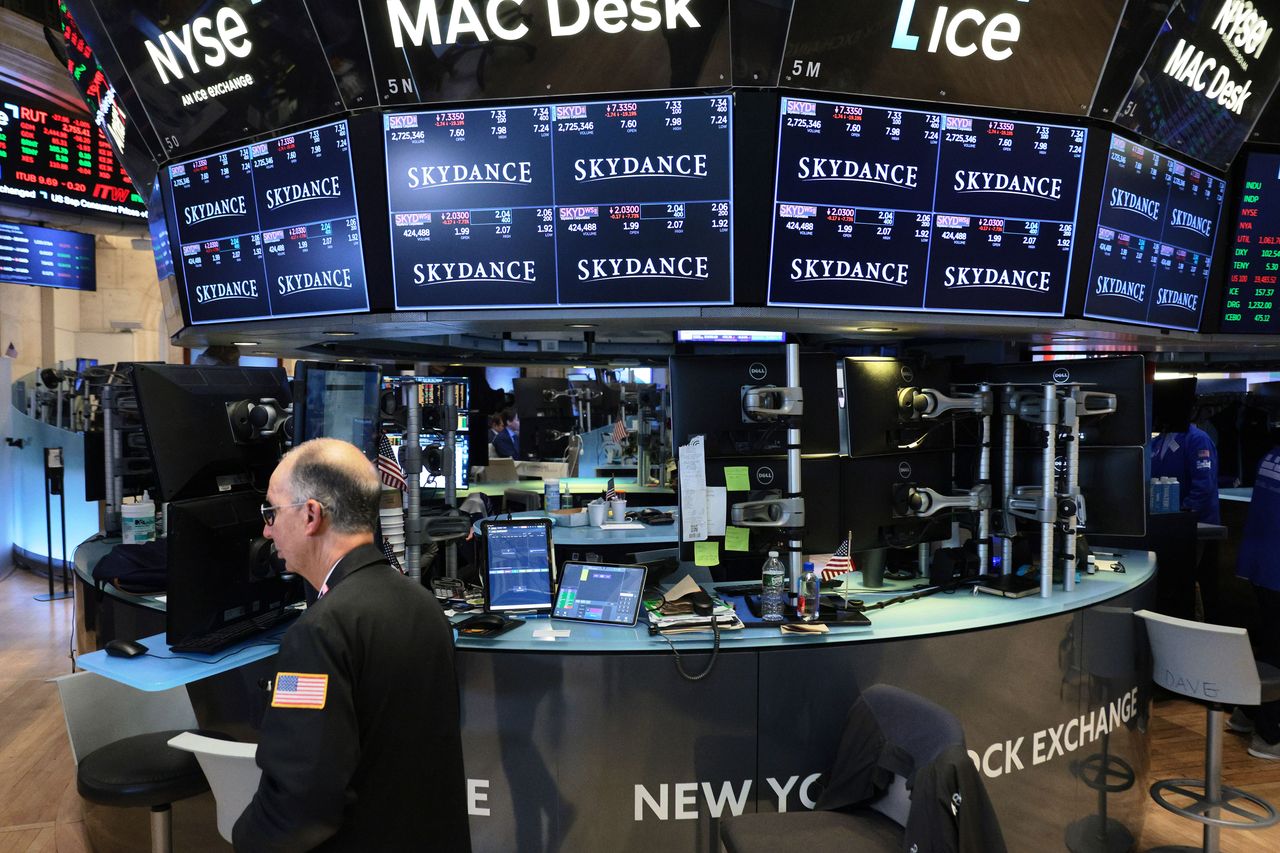


- As U.S. stock indices ended higher at the end of the week, staging a strong post-Thanksgiving holiday comeback, investors pulled away from safe-haven assets.
- The Dollar Spot Index edged up 0.2% on the week and rose 1.9% in November, putting it on pace for a third consecutive monthly advance and its longest weekly winning streak since January 2025.
- Traders have fully priced in two Federal Reserve rate hikes by March and nearly a 90% probability of a third by mid-2027.
Advertisement|Remove ads.
U.S. Treasury prices slipped as trading resumed following the Thanksgiving holiday during the week ending November 27, 2026, as a recovery in equities reduced appetite for safe-haven fixed income.
Yields rose across maturities by six to eight basis points in an abbreviated Friday session, bringing the benchmark 10-year Treasury yield to 4.93% near session highs. With tech shares finding footing late in the week, fixed-income markets adjusted to a renewed push-and-pull between equity risk appetite and safe-haven demand.

While yields rose across the curve on Friday, on a weekly basis, only shorter-duration yields saw a significant uptick, while longer-duration bonds, the 10-year and 30-year, were almost flat on a weekly basis.
Advertisement|Remove ads.
The spread between the U.S. 10-year yield and the U.S. 2-year yield ticked lower to its lowest since February, down by seven points to 0.22% in the week ending November 27, showing growing market bets for a hawkish Federal Reserve.
The iShares 20+ Year Treasury ETF (TLT) ticked marginally higher by 0.2% during the whole week, while the shorter-duration iShares 1-3 year ETF (SHY) was flat.
Retail sentiment on TLT and SHY was ‘bullish,’ with ‘high’ message volumes.
Advertisement|Remove ads.
| Asset / Benchmark | Close (November 27) | Weekly Change |
| U.S. Dollar Index | 104.01 | +0.2% |
| U.S. 2-Year Treasury Yield | 4.72% | +7 bps |
| U.S. 10-Year Treasury Yield | 4.94% | Flat |
| U.S. 30-Year Treasury Yield | 5.33% | Flat |
| U.S. 10Y2Y Yield Spread | Flattening curve | - |
For several weeks running, the momentum in U.S. tech and artificial intelligence equities has served as a central driver for sovereign debt markets, with surging equity valuations consistently dampening appetite for fixed-income assets and vice versa.
Yield Curve & Global Sovereign Markets
The yield curve, which is the difference between the yields of longer and shorter-term maturities, flattened this week, down seven basis points, mostly on account of a faster spike in the 2-year yield.
Generally, a spike in lower duration yields signals a hawkish expectation from the Federal Reserve. For instance, traders fully price in two Fed rate hikes by March and point to nearly a 90% chance of a third increase by mid-2027, compared to expectations two weeks earlier for three hikes by September and a 35% chance of a fourth, as per the CME FedWatch tool.
Advertisement|Remove ads.
The U.S. dollar edged higher on Friday and gained 0.2% for the week, extending its longest weekly winning streak since January 2025 while rising 1.9% in November toward a third consecutive monthly gain—its strongest monthly run since late 2024.
The greenback strengthened against most developed market peers, including the Japanese yen and Swiss franc, supported by safe-haven demand after a sharp equity selloff briefly pushed the Nasdaq 100 into bear-market territory earlier this week.
Read More: S&P 500, Nasdaq End Best Week In Over A Year As AI Optimism Makes Comeback
Advertisement|Remove ads.
For updates and corrections, email newsroom[at]stocktwits[dot]com.

Latest News

 Shashank Nayar·10m ago

 Anan Ashraf·2h ago
 Shashank Nayar·3h ago
 Anan Ashraf·3h ago
 Shashank Nayar·4h ago
 Anan Ashraf·4h ago
Comments posted here will also appear on symbol pages.