


Advertisement|Remove ads.
Vitalik Buterin Says Ethereum Will ‘Keep Chugging Along’ Even If Quantum Computers Arrive Early

- Published by Ethereum Foundation researcher Justin Drake, the “strawmap” is a roadmap for the Ethereum network through to 2029, and proposes seven protocol forks over the next three years.
- According to Buterin, “one interesting consequence” of the strawmap’s approach is that there is a way to make slots quantum-resistant much sooner than making the finality quantum-resistant.
- This means that even if quantum computers were to emerge as a solid threat earlier than expected, the Ethereum network might get less secure, but it will not stop running.
Advertisement|Remove ads.
Ethereum co-founder Vitalik Buterin called Ethereum’s roadmap for the next three years “a very important document” in an X post, summarizing the proposal dubbed ‘Strawmap.’
Published by Ethereum Foundation researcher Justin Drake, Strawmap outlines seven forks by 2029, with one fork happening roughly every six months. According to Buterin, the proposed upgrades will result in faster finality, higher throughput, and quantum-resistant security.
“...Expect to see these changes to be intertwined with a "ship of Theseus" style component-by-component replacement of Ethereum's slot structure and consensus with a cleaner, simpler, quantum-resistant, prover-friendly, end-to-end formally-verified alternative,” he wrote in the X post.
Advertisement|Remove ads.
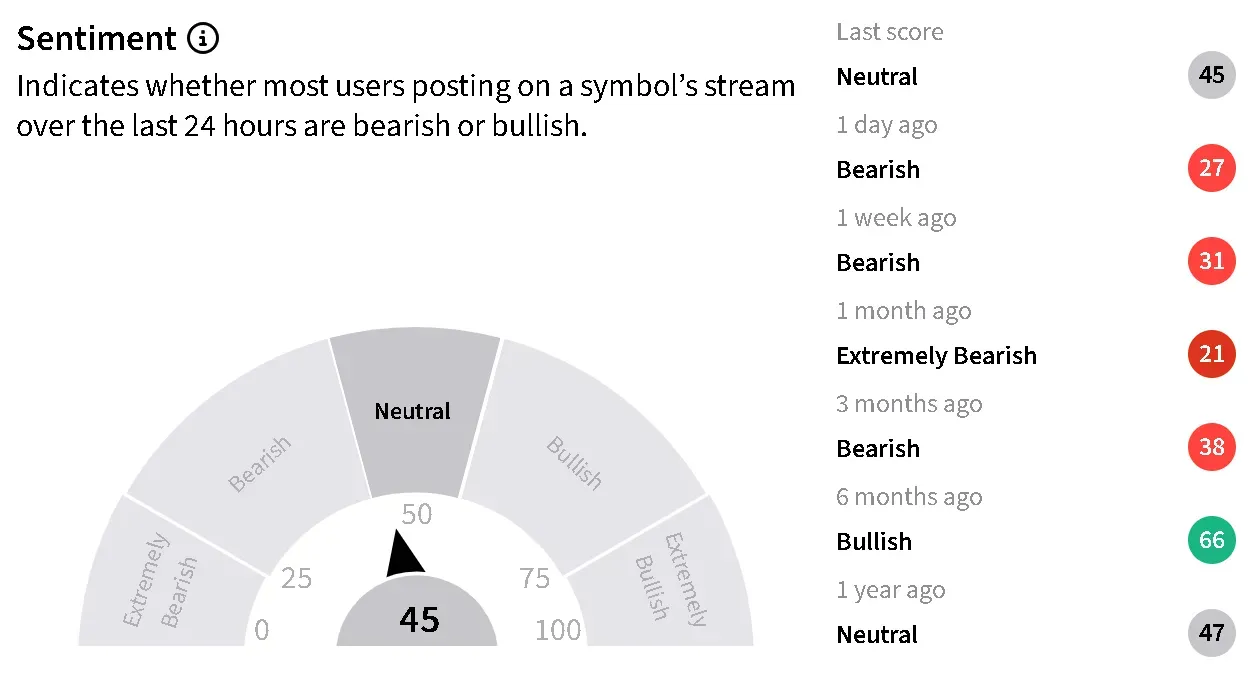
Ethereum’s price rose nearly 8% to around $2,000 in the last 24 hours, leading gains among crypto majors and outperforming Bitcoin (BTC). Retail sentiment around the altcoin on Stocktwits improved to ‘neutral’ from ‘bearish’ territory over the past day.
Making Ethereum Quantum Resistant
According to Buterin, “one interesting consequence” of the strawmap’s approach is that there is a way to make slots quantum-resistant much sooner than making the finality quantum-resistant.
“...if quantum computers suddenly appear, we lose the finality guarantee, but the chain keeps chugging along.”
– Vitalik Buterin, Co-Founder, Ethereum
Simply put, the system is being upgraded in small steps rather than all at once, which means some parts can be made safe from future quantum computers faster than others. Things may get less secure, but the overall network will keep running.
Advertisement|Remove ads.
The 5 North Stars For Ethereum
The document’s inception was at an Ethereum Foundation workshop in January 2026, according to Drake. He said the name combines “strawmap” and “roadmap,” acknowledging that drafting a proposal to satisfy stakeholders in a decentralized ecosystem is “effectively impossible.”
The strawmap is centered around five “north stars” as its technical objectives, according to Drake. The first of which is a "fast L1," which targets short slots and finality in seconds. The second is "gigagas L1," which aims to reach a transaction speed of 1 gigagas per second via zkEVMs and real-time proving.
The third target is "teragas L2," looking to hit 1 gigabyte per second of data bandwidth, or 10 million transactions per second. The last two focus on improving privacy and building protection against quantum threats.
Advertisement|Remove ads.
He said the document would be maintained by the Ethereum Foundation Architecture team and receive quarterly updates, with the latest revision date noted on the document.
Read also: Bitcoin ETF Inflows Top $500M For First Time This Year, On Track To Break Record Outflow Streak
For updates and corrections, email newsroom[at]stocktwits[dot]com
Advertisement|Remove ads.
Comments posted here will also appear on symbol pages.

Latest News
/filters:format(webp)https://news.stocktwits-cdn.com/large_Anthropic_27a8549cef.jpg)
/filters:format(webp)https://news.stocktwits-cdn.com/Aashika_Suresh_Profile_Picture_jpg_2acd6f446c.webp) Aashika Suresh·4m ago
Aashika Suresh·4m ago/filters:format(webp)https://news.stocktwits-cdn.com/large_jason_calacanis_fa7fd11c8b.jpg)
/filters:format(webp)https://news.stocktwits-cdn.com/IMG_8805_JPG_6768aaedc3.webp) Deepti Sri·19m ago
Deepti Sri·19m ago/filters:format(webp)https://news.stocktwits-cdn.com/large_Getty_Images_2276989723_eb8b10972a.jpg)
/filters:format(webp)https://news.stocktwits-cdn.com/IMG_9209_1_d9c1acde92.jpeg) Yuvraj Malik·22m ago
Yuvraj Malik·22m ago/filters:format(webp)https://news.stocktwits-cdn.com/large_Blackberry_resized_jpg_a0a7071fd3.webp)
/filters:format(webp)https://news.stocktwits-cdn.com/shivani_photo_jpg_dd6e01afa4.webp) Shivani Kumaresan·56m ago
Shivani Kumaresan·56m ago/filters:format(webp)https://news.stocktwits-cdn.com/large_cathie_wood_fd6f8cac72.jpg) Deepti Sri·60m ago
Deepti Sri·60m ago/filters:format(webp)https://news.stocktwits-cdn.com/large_Getty_Images_2232147543_jpg_a7d6168b5c.webp) Aashika Suresh·1h ago
Aashika Suresh·1h ago