


Advertisement|Remove ads.
Apple Outperforms In Tough Q1 Even As Memory Crunch Drags Global Smartphone Shipments
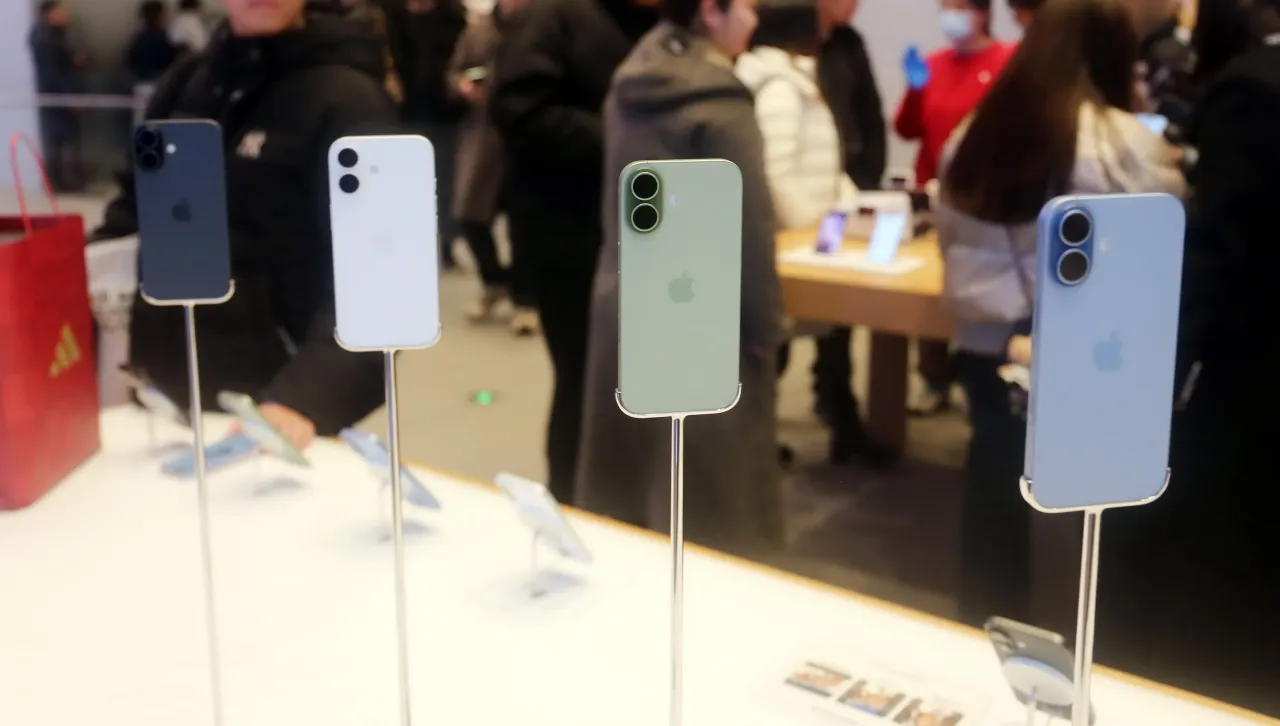


- Counterpoint Research said global smartphone shipments fell 6% year over year in the first quarter.
- The shipments were strained by the limited availability of critical memory components, and weakened consumer demand was shaped by geopolitical uncertainty.
- In Q1, Apple captured a 21% market share while expanding shipments by 5% compared to a year earlier.
Advertisement|Remove ads.
Apple Inc. (AAPL) took the lead in smartphone shipments for the first time ever in the first quarter, even as giants like Samsung and Xiaomi retreated under the weight of a global memory crunch.
According to data from Counterpoint Research, the global smartphone industry opened 2026 on a weaker footing, as shipments fell amid supply disruptions and cautious consumer spending.
Apple Takes The Lead
Worldwide smartphone shipments dropped 6% year over year in the first quarter, pressured by shortages of key memory components and a subdued buying environment influenced by geopolitical tensions, the research firm said.
Advertisement|Remove ads.
Manufacturers grappled with higher memory component costs and uneven demand, leading to adjustments across product lines and launch timelines.
However, Apple has climbed to the top global position in Q1, capturing a 21% market share while expanding shipments by 5% compared to a year earlier. Strong demand for its latest iPhone lineup, combined with efficient supply chain management, helped the company navigate component shortages better than competitors, said the firm. Growth in major Asian markets, including China and India, further strengthened its position.
Apple stock inched 0.6% higher in Friday’s premarket. On Stocktwits, retail sentiment around the stock remained in ‘extremely bullish’ territory amid ‘high’ message volume levels.
Advertisement|Remove ads.

Global Brands Under Pressure
Samsung Electronics Co. slipped to second place with a 20% share after shipments declined 6% from a year earlier.
Xiaomi held onto third place but recorded the steepest drop of 13% YoY among leading brands, with shipments falling due to its reliance on budget-conscious consumers. Meanwhile, OPPO and vivo maintained fourth and fifth positions, respectively, with relatively modest declines as they leaned on mid-range and premium segments to stabilize performance.
“This decline in shipments is primarily driven by memory players prioritizing AI data centers over consumer electronics, leaving OEMs with compressed margins and forcing them to pass increased Bills of Material (BOM) costs directly to the consumer.”
-Shilpi Jain, Senior Analyst, Counterpoint Research
Jain added that limited component availability, combined with rising energy and transportation costs and economic unease linked to Middle East tensions, dampened consumer appetite for new devices, driving up interest in refurbished options and putting additional pressure on shipment volumes.
Advertisement|Remove ads.
AAPL stock has declined by over 4% year-to-date.
For updates and corrections, email newsroom[at]stocktwits[dot]com.
Advertisement|Remove ads.
Comments posted here will also appear on symbol pages.

Latest News
/filters:format(webp)https://news.stocktwits-cdn.com/large_Getty_Images_2188532140_jpg_1eb152a875.webp)
/filters:format(webp)https://news.stocktwits-cdn.com/Anushka_Basu_make_me_smile_in_the_picture_b92832aa_af59_4141_aacc_4180d2241ba8_1_2_png_1086e0ed8c.webp) Anushka Basu·6h ago
Anushka Basu·6h ago/filters:format(webp)https://news.stocktwits-cdn.com/large_Getty_Images_2290360640_1ec7422bc6.jpg) Anushka Basu·7h ago
Anushka Basu·7h ago/filters:format(webp)https://news.stocktwits-cdn.com/large_Getty_Images_2184298752_597d0bfcd2.jpg) Anushka Basu·9h ago
Anushka Basu·9h ago/filters:format(webp)https://st-everywhere-cms-prod.s3.us-east-1.amazonaws.com/large_charles_schwab_resized_79fd4282b7.jpg) Anushka Basu·11h ago
Anushka Basu·11h ago/filters:format(webp)https://news.stocktwits-cdn.com/large_Getty_Images_1236413131_82e1a6f16e.jpg) Anushka Basu·12h ago
Anushka Basu·12h ago/filters:format(webp)https://news.stocktwits-cdn.com/large_Getty_Images_2255514431_jpg_95e96b4025.webp)
/filters:format(webp)https://st-everywhere-cms-prod.s3.us-east-1.amazonaws.com/i_OS_App_Icon_1_8054f2a2fe.png) Stocktwits News Desk·12h ago
Stocktwits News Desk·12h ago