


Advertisement|Remove ads.
The CEO Reckoning Of 2025: How Consumer Giants Shuffled Leaders In 2025 As Trump Tariffs Rewrote The Playbook



- The largest retail company, Walmart, said in November that CEO Doug McMillon will retire in January after over a decade leading the retailer.
- Lululemon announced in December that its CEO, Calvin McDonald, is leaving the company at the end of January.
- In December, Kohl’s named Michael Bender as its CEO following Ashley Buchanan’s ouster in May.
Advertisement|Remove ads.
The year was far from rosy for global businesses after U.S. President Donald Trump unleashed a fresh round of tariffs on key trading partners. While the impact rippled across nearly every sector, consumer and retail companies felt the strain acutely, caught between slowing demand, lingering pandemic-era supply-chain scars, and rising costs that left little room for error.
Layered onto those pressures came another reckoning: leadership change. Some companies entered 2025 with carefully planned CEO transitions, while others were forced into abrupt course corrections as performance faltered and strategic missteps piled up.
The scale of the churn has been striking. According to a September report from Challenger, Gray & Christmas, 1,504 CEOs exited their roles through August 2025, the highest figure since the firm began tracking in 2002. That marks a 4% increase from the 1,450 departures recorded during the same period last year, underscoring how boardrooms have become less patient in an unforgiving economic environment.
Advertisement|Remove ads.
Against this backdrop, a wave of consumer and retail companies have announced changes at the top this year. For some, the leadership reset represents a bid to stabilize battered businesses; for others, it’s a bet on fresh thinking to navigate tariffs, recalibrate demand, and regain lost ground. Here’s a look at the consumer and retail firms that reshuffled the corner office in 2025, and how those decisions may shape their trajectories in the year ahead.
Walmart
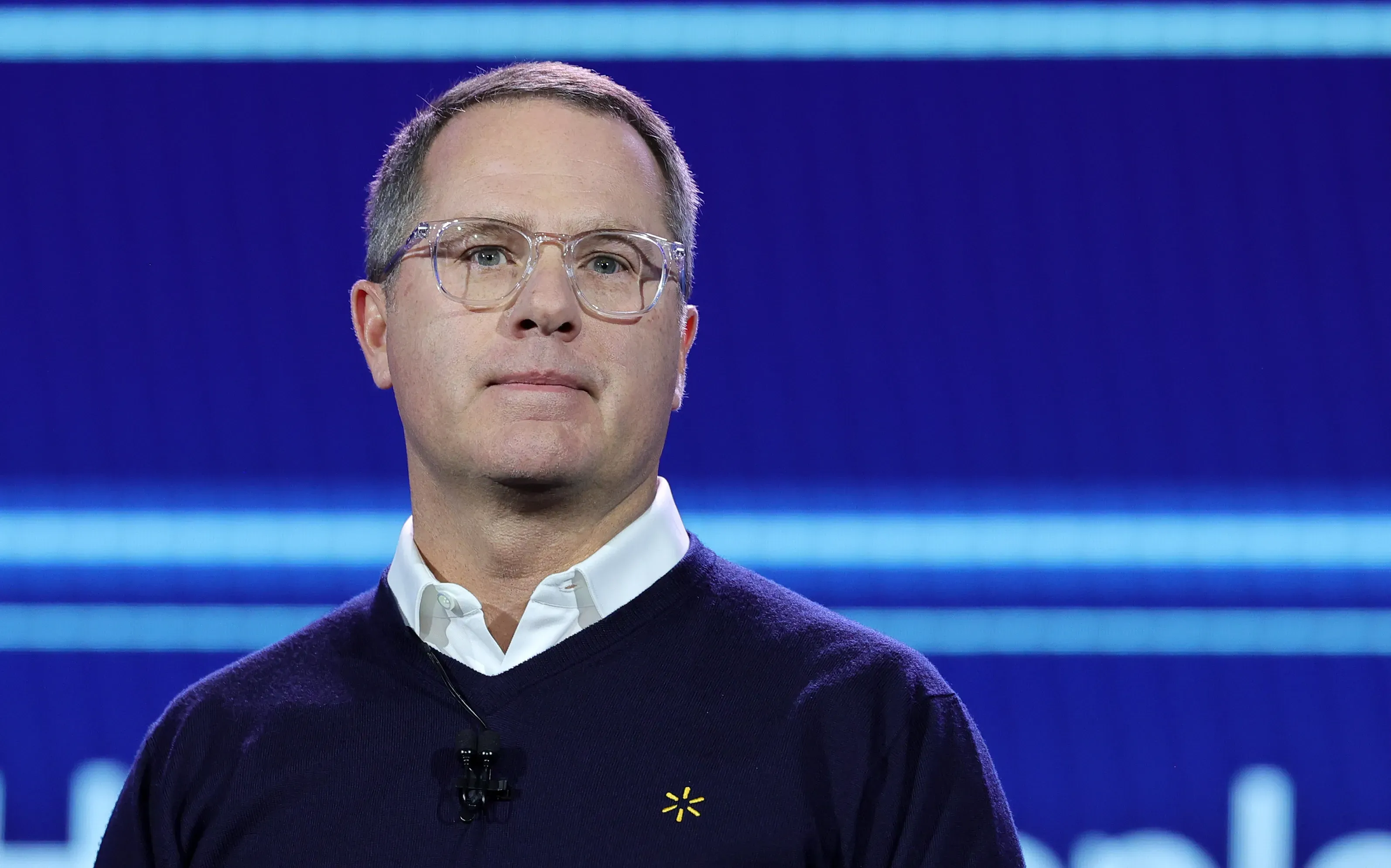
The biggest retail company, Walmart, in November said that CEO Doug McMillon will retire in January after over a decade of leading the retailer, overseeing its transition to a more tech-powered omnichannel retailer, and automating several of its stores.
McMillon will be succeeded by the retailer’s U.S. division head, John Furner, effective Feb. 1. He has served as President and CEO of Walmart U.S. since 2019 and has led the company’s largest operating segment, comprising more than 4,600 stores.
Advertisement|Remove ads.
Walmart has seen steady growth driven by rising demand for groceries and essentials. The retailer’s foray into retail media advertising has also helped boost profit margins. However, the tariffs that took effect this year also forced the company, which has always kept its prices low, to raise them on its products.
Target
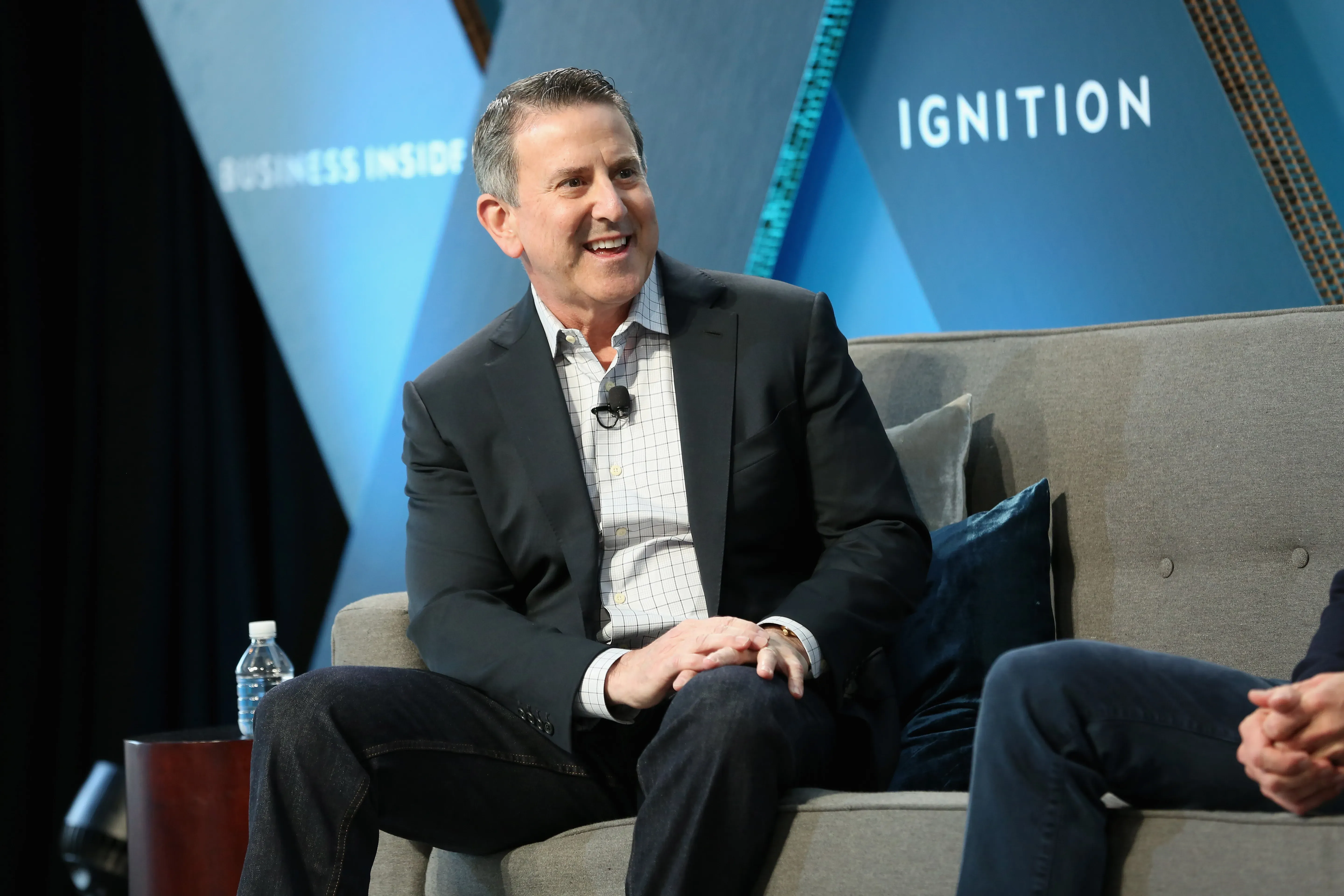
In August, Target named Michael Fiddelke, its chief operating officer, to succeed Brian Cornell as the big-box chief executive officer and become a member of the board effective Feb. 1. Cornell will transition to the role of executive chair of the board of directors.
Target has been battling slowing sales following a pullback in customer demand for discretionary goods, which make up a bulk of the company’s product offerings. It is also trying to double down on private-label offerings to attract cost-conscious customers.
Advertisement|Remove ads.
Lululemon Athletica
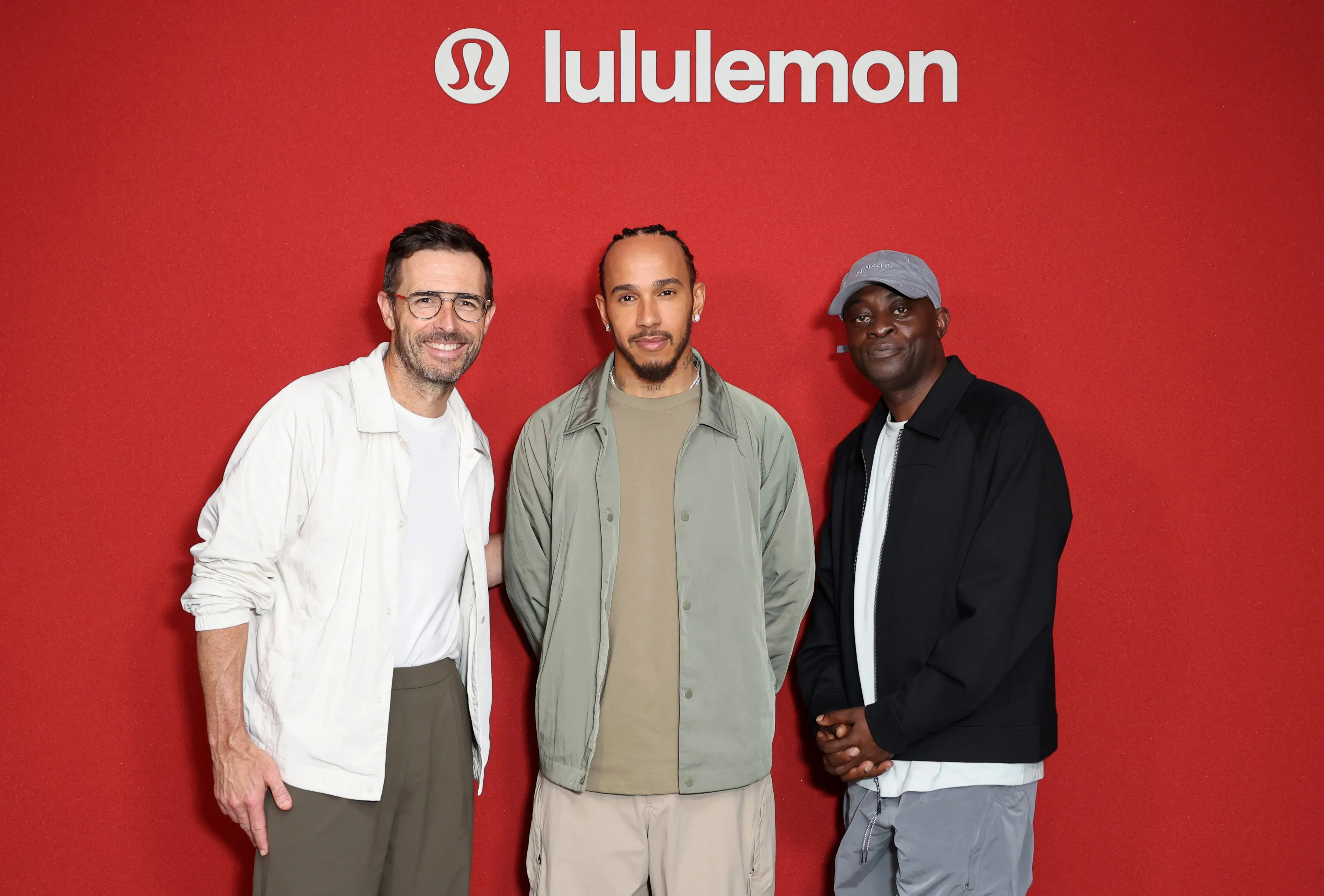
Lululemon announced in December that its CEO, Calvin McDonald, is leaving the company at the end of January. Under him, the company’s sales have grown steadily, and China has become the sportswear maker’s second-largest market.
Still, a recent lack of innovation and excess offerings has cost the company. The company said that CFO Meghan Frank and Chief Commercial Officer Andre Maestrini have been appointed as interim co-CEOs while Lululemon looks for a successor to McDonald.
Coca-Cola
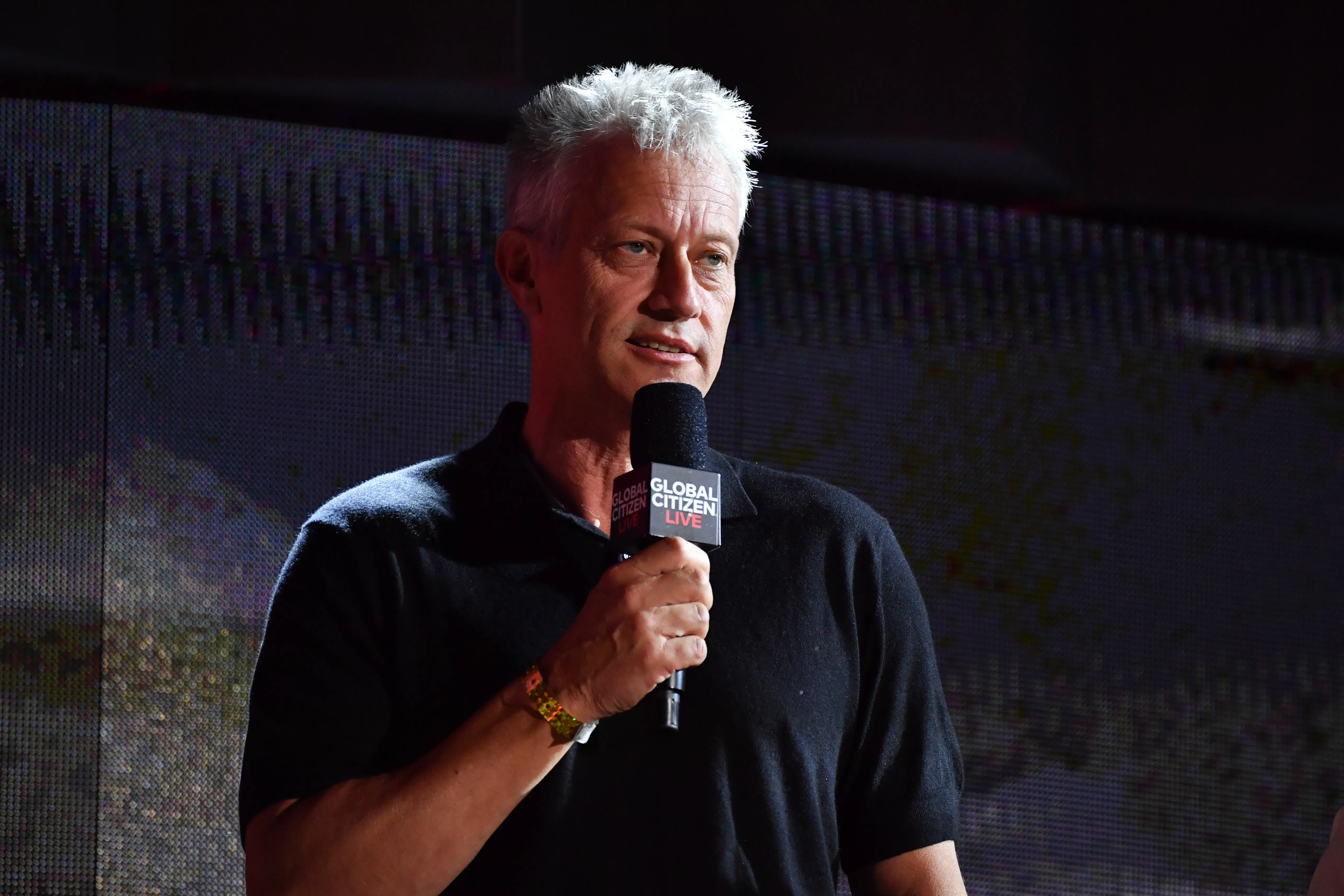
In December, Coca-Cola also joined the bandwagon to change its CEO and announced that Chief Operating Officer Henrique Braun would be named the new CEO, effective March 31, 2026. Braun will succeed James Quincey, who will transition to Executive Chairman after serving as CEO for nine years.
Advertisement|Remove ads.
With Quincey at the helm, Coca-Cola has significantly gained market share and also boosted its international sales growth. The company has doubled down on innovation and also ventured into the lifestyle and healthy drinks category as traditional soda-based drinks see a slowdown.
Hershey
In January, Michele Buck informed her intention to retire from Hershey’s as of June 30, 2026. Later in July, Hershey announced that it had tapped Wendy’s CEO Kirk Tanner to lead the chocolate maker. Buck led Hershey for seven years, during which the company saw strong demand for its salty snacks business in North America.
Wendy’s
Advertisement|Remove ads.
After Tanner decided to join Hershey, Wendy's named Ken Cook, the company’s Chief Financial Officer, as Interim CEO. Tanner, who served as the CEO of Wendy’s for nearly a year and a half, had been with PepsiCo for three decades before that.
Altria Group
In December, Altria said that CEO Billy Gifford, who led the tobacco firm for nearly five years, would retire next May and be succeeded by CFO Salvatore Mancuso. Mancuso has been with the company since 1990 and has held the role of finance chief for the past five years.
Altria is contending with slowing cigarette sales and has been betting on revenue growth from new products like vapes, and is also dealing with legal issues related to the import blockage of its key NJOY vape brand.
Advertisement|Remove ads.
Kohl’s
In December, Kohl’s named Michael Bender as its CEO following Ashley Buchanan’s ouster in May. Bender is left with a company in the midst of a turnaround after years of struggling to spur demand and sales growth.
Kohl's board decided to terminate Buchanan after an investigation found that Buchanan violated company policies by directing the company to engage in vendor transactions involving undisclosed conflicts of interest.
Kroger
In March, Kroger said that CEO Rodney McMullen had resigned following a board investigation into his personal conduct, which, while unrelated to the business, was inconsistent with Kroger's Policy on Business Ethics.
Advertisement|Remove ads.
The board named Lead Director Ronald Sargent to serve as Chairman of the board of directors and interim CEO. This came after the mega-merger between Kroger and Albertsons fell apart.
Kraft Heinz
In December, Kraft Heinz announced that it had named former Kellogg's head Steve Cahillane as CEO, effective Jan. 1, as the company takes on the work of splitting into two standalone firms following several years of declining sales.
He will also join the company’s board of directors and serve as CEO of Global Taste Elevation Co. following Kraft Heinz’s planned separation into two independent, publicly traded companies. Carlos Abrams-Rivera, the current CEO, will step down on January 1 and serve as an advisor to the company until March.
Advertisement|Remove ads.
What Is Retail Thinking?
Retail sentiment on Walmart dipped to ‘extremely bearish’ from ‘bullish’ a week ago, while on Target sentiment improved to ‘bullish’ from ‘bearish’ territory for the same period.
Lululemon’s retail sentiment fell to ‘bearish’ from ‘bullish’ a week ago, and on Coca-Cola, sentiment improved to ‘neutral’ from ‘bearish’ seven days earlier.
Shares of Walmart have gained nearly 24% this year, Target’s stock has declined about 28%, Lululemon’s shares have lost 45% of their value, and Coca-Cola’s has seen a 13% gain year-to-date.
Advertisement|Remove ads.
For updates and corrections, email newsroom[at]stocktwits[dot]com.
Comments posted here will also appear on symbol pages.

Latest News
/filters:format(webp)https://news.stocktwits-cdn.com/large_bank_of_america_ATM_resized_jpg_74da346957.webp)
/filters:format(webp)https://news.stocktwits-cdn.com/1707726834303_jpg_11f20a9aa9.webp) Shashank Nayar·47m ago
Shashank Nayar·47m ago/filters:format(webp)https://news.stocktwits-cdn.com/large_Getty_Images_2208523880_jpg_5bfb5acfa2.webp)
/filters:format(webp)https://news.stocktwits-cdn.com/unnamed_jpg_9dff551b50.webp) Anan Ashraf·1h ago
Anan Ashraf·1h ago/filters:format(webp)https://news.stocktwits-cdn.com/Getty_Images_2237643016_jpg_f9dc6dcb97.webp) Anan Ashraf·1h ago
Anan Ashraf·1h ago/filters:format(webp)https://news.stocktwits-cdn.com/large_Getty_Images_2202862389_jpg_c0559f1ff4.webp) Shashank Nayar·2h ago
Shashank Nayar·2h ago/filters:format(webp)https://news.stocktwits-cdn.com/large_Getty_Images_2278739838_878876729c.jpg) Anan Ashraf·3h ago
Anan Ashraf·3h ago/filters:format(webp)https://news.stocktwits-cdn.com/large_Ray_Dalio_jpg_b51c171cd9.webp) Shashank Nayar·3h ago
Shashank Nayar·3h ago