


Advertisement|Remove ads.
Costco’s Crown Jewel Heading Into 2026 Is Kirkland — But Can It Stay A Retail Lifeline As Tariffs Bite And SNAP Benefits Fade?
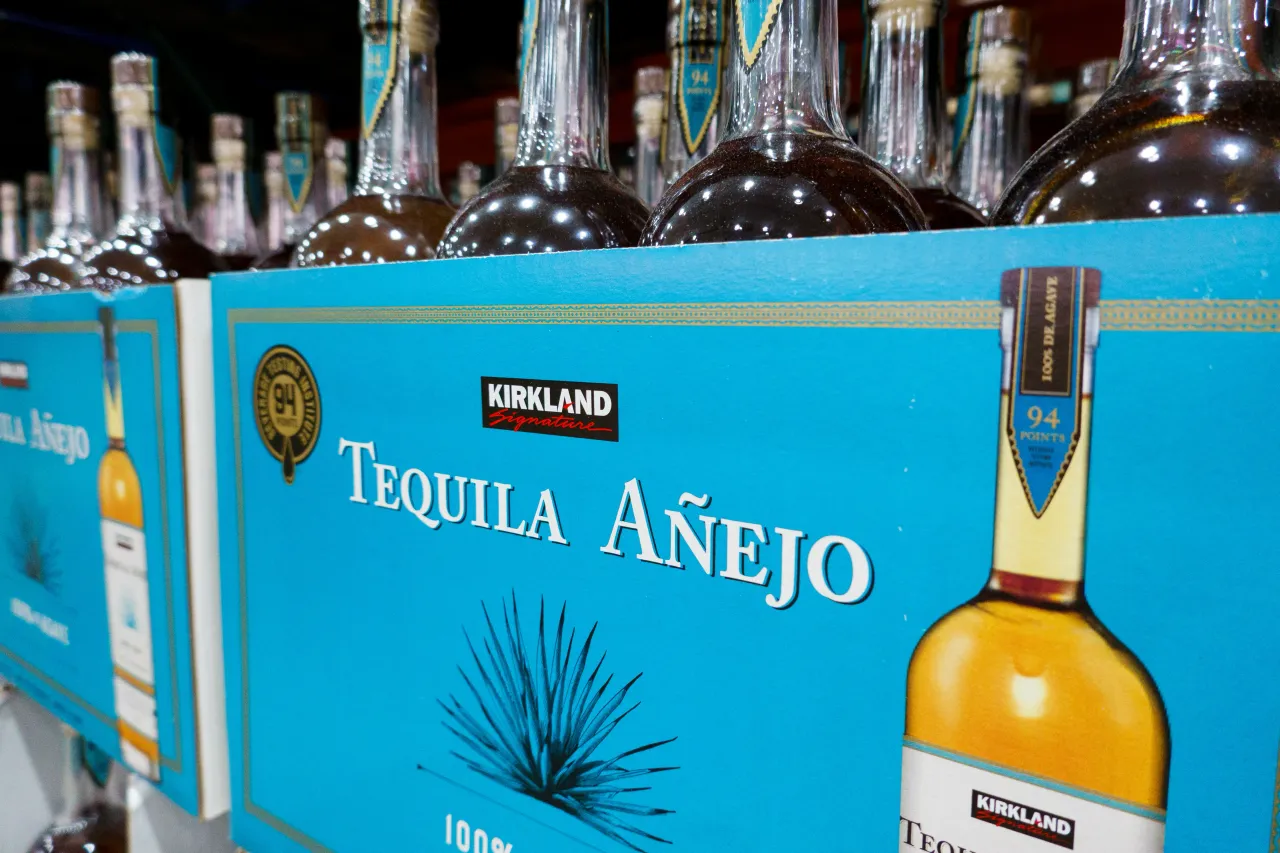


- In September, Costco executives said on the fourth-quarter earnings call that Kirkland sales penetration continues to increase.
- Costco’s shares have declined nearly 5% so far this year, mainly due to tariff-related policies and, to a lesser extent, the longest federal government shutdown, which paused SNAP benefits for some time.
- Following the company’s November sales report, Telsey Advisory Group analyst Joseph Feldman said that the total traffic at Costco increased 3.8%, with U.S. up 3%.
Advertisement|Remove ads.
Even when things got tough this year, from tariffs to SNAP benefits, Costco has been able to attract loyal customers who want to be part of the treasure-hunt experience the membership-only retail chain offers.
And as Costco enters 2026, it has ensnared itself in a legal battle with the Trump administration over the on-again, off-again tariffs and has also raised average prices at its stores to offset higher costs from the duties.
Still, Costco’s crown jewel is its private label brand – Kirkland Signature. Kirkland has enjoyed strong growth, but with recent price hikes in the United States, the brand is getting a lot more attention. Analysts note that, no matter the situation, revenue from Kirkland, membership fees, and customers seeking multi-packs at lower prices will continue to benefit the chain even as margins tend to squeeze.
Advertisement|Remove ads.
A Highly Difficult Year, But Revenue Held On
All three quarters, Costco reported this year have beaten on sales. Although overall consumer sentiment has been cautious, shoppers have been willing to spend at the chain that offers lower prices on everyday essentials like butter and eggs.
In September, Costco executives during the fourth-quarter earnings call said that Kirkland’s sales penetration continues to increase, bringing even more high-quality value to its members while offsetting potentially inflationary impacts from tariffs.
According to the retailer, during the third quarter, sales of Kirkland items again outpaced overall sales growth, with its sales penetration up approximately 50 basis points year-over-year.
Advertisement|Remove ads.
2025: A Year Of Stock Decline
When Costco entered 2025, it was coming off a quarterly results beat in December last year and building on strong demand for its groceries and food items. But unaware that the new tariffs that would come upon them by the Trump Administration would pressure its profits and also its stock at the same time.
Costco’s shares have declined nearly 5% so far this year, mainly due to tariff-related policies and, to a lesser extent, the longest federal government shutdown, which paused Supplemental Nutrition Assistance Program (SNAP) benefits.
In May, the retailer said it had rerouted many goods sourced from countries with large tariff exposure to its non-U.S. markets and in the U.S., Costco pulled forward some items that it had planned for the summer.
Advertisement|Remove ads.
The company also sourced additional locally produced goods to reduce tariff impacts and ensure it was in stock, and said that price hikes would be its last resort to battle the higher costs coming its way.
Wall Street’s View
Following the company’s November sales report, Telsey Advisory Group analyst Joseph Feldman said that the total traffic at Costco increased 3.8%, with U.S. traffic up 3%, as consumers continue to search for value.
Feldman noted that the average ticket increased 3%, helped by strength across the store and modest inflation, driven by tariffs. The analyst said that both fresh foods and food & sundries did well, driven by continued healthy at-home consumption, and demand was steady for jewelry, tires, and health & beauty.
Advertisement|Remove ads.
For 2026, Feldman said Costco should continue to generate a double-digit earnings-per-share growth rate, driven by mid-single-digit comparable sales growth, high-single-digit membership fee income growth, and effective management of merchandising and costs.
He added that Costco continues to execute well and should remain a profitable share gainer, with its solid sales and high membership renewal rates among its about 145 million total members.
In November, JPMorgan analyst Christopher Horvers said Costco’s October sales were in line, but the government shutdown affected Costco late in the quarter. Wolfe Research analyst Spencer Hanus noted that the disruption in SNAP benefits being paid has an immediate effect on staples and grocery products, and lower-income consumer confidence "takes a hit heading into important seasonal events."
Advertisement|Remove ads.
Membership Fee Hike
In September of 2024, Costco implemented its first price hike on the membership fee in seven years. The retailer’s basic Gold Star membership increased to $65 per year from $60, and the Executive membership increased to $130 per year from $120.
In the fourth quarter, Costco's membership fee income came in at $1.72 billion, an increase of $212 million, or 14%, year-over-year. The retailer said that the growth in online sign-ups is a net positive, as it expands the overall membership base and membership revenue and introduces younger members to Costco. “Almost half of our new member sign-ups are now under the age of 40,” Costco said.
What Is Retail Thinking?
Retail sentiment on Costco improved to ‘extremely bullish’ from ‘neutral’ three months ago, with message volumes at ‘high’ levels, according to data from Stocktwits. Over the past year, the retail user message count on the stock has jumped 257%.
Advertisement|Remove ads.
A bullish user on Stocktwits noted that though Costco’s valuation is generally considered a premium compared to its industry peers, it reflects a high confidence in the company’s strong business model.
In November, Oppenheimer added Costco back to its “top pick ranking” and said that the shares have pulled back 15% from their all-time highs in mid-February. Still, Costco's "outperformance case is now even stronger in a mixed consumer spending backdrop.”
Advertisement|Remove ads.
Shares of Costco have declined over 11% in the last 12 months, outperforming Target’s stock fall of 27% but underperforming Walmart’s nearly 22% jump.
For updates and corrections, email newsroom[at]stocktwits[dot]com.
Also See: Behind Oracle’s AI Boom Lies A Balance-Sheet Time Bomb: Here Are 3 Red Flags
Advertisement|Remove ads.
Comments posted here will also appear on symbol pages.

Latest News
/filters:format(webp)https://news.stocktwits-cdn.com/large_Getty_Images_2275170958_51e7635bab.jpg)
/filters:format(webp)https://news.stocktwits-cdn.com/shivani_photo_jpg_dd6e01afa4.webp) Shivani Kumaresan·17m ago
Shivani Kumaresan·17m ago/filters:format(webp)https://news.stocktwits-cdn.com/large_Getty_Images_2255802591_1ead0ce76b.jpg)
/filters:format(webp)https://news.stocktwits-cdn.com/IMG_9209_1_d9c1acde92.jpeg) Yuvraj Malik·35m ago
Yuvraj Malik·35m ago/filters:format(webp)https://news.stocktwits-cdn.com/large_michael_saylor_OG_4_jpg_292dd07afc.webp)
/filters:format(webp)https://news.stocktwits-cdn.com/Aashika_Suresh_Profile_Picture_jpg_2acd6f446c.webp) Aashika Suresh·1h ago
Aashika Suresh·1h ago/filters:format(webp)https://news.stocktwits-cdn.com/large_Getty_Images_2250655281_jpg_c8c0e9352f.webp) Yuvraj Malik·2h ago
Yuvraj Malik·2h ago/filters:format(webp)https://news.stocktwits-cdn.com/astspacemobile_resized_jpg_8a6aa92413.webp) Shivani Kumaresan·2h ago
Shivani Kumaresan·2h ago/filters:format(webp)https://news.stocktwits-cdn.com/large_rocket_lab_original_jpg_34537e2337.webp)
/filters:format(webp)https://news.stocktwits-cdn.com/IMG_8805_JPG_6768aaedc3.webp) Deepti Sri·2h ago
Deepti Sri·2h ago