


Advertisement|Remove ads.
NVDA Eyes Worst Month Since 2022 — Dip Buyers Are ‘Still Fighting To Break Even’ After Huang’s Return, Analyst Says


- Huang’s return sparked a rally of over 30%, but November dip buyers barely broke even on average, Stephen Innes said, citing Vanda.
- Retail bought a net $3.49 billion of NVDA from Nov. 4 through Monday. Outside Nvidia and Anthropic, retail sold more than it bought in 10 of 13 sessions.
- Innes said short sellers buying back shares helped fuel the rally, while borrowing costs barely eased for riskier companies.
Advertisement|Remove ads.
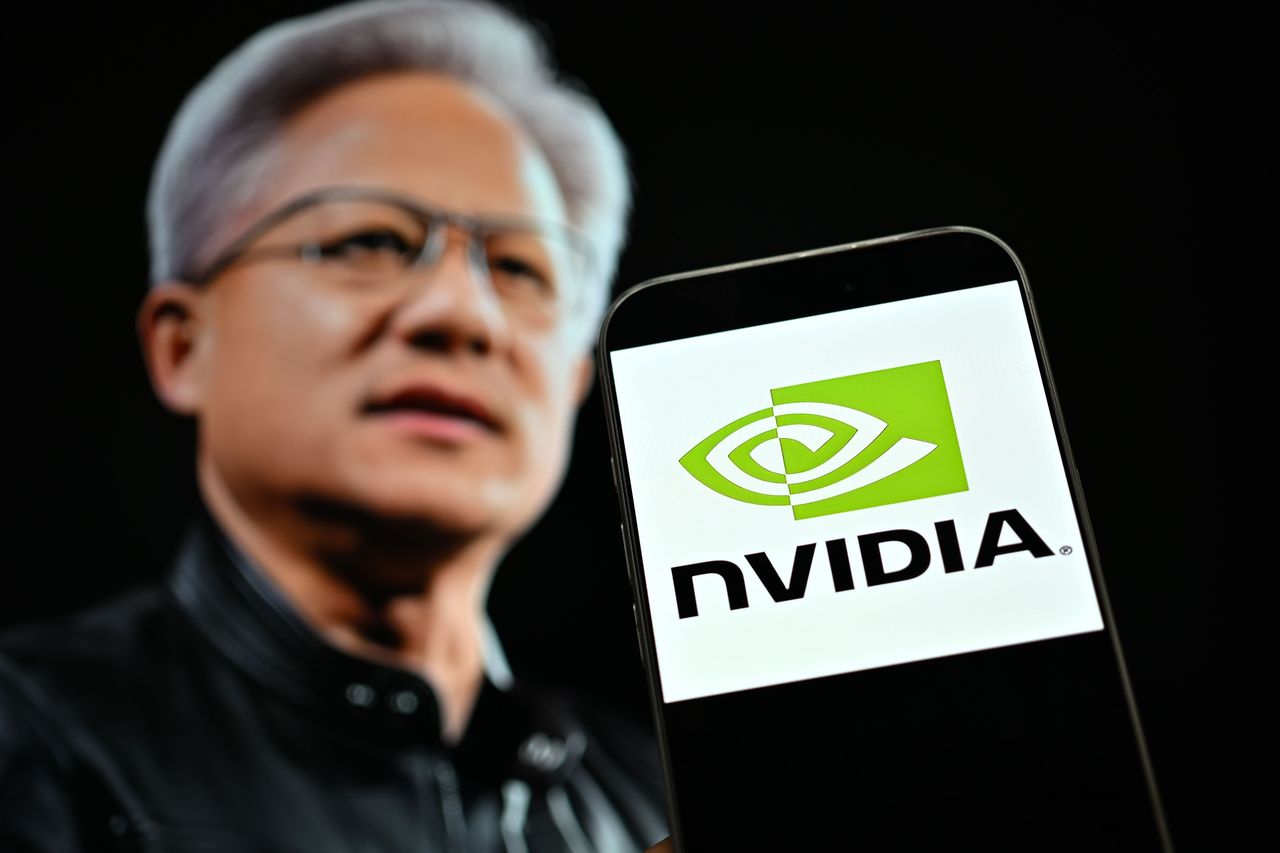
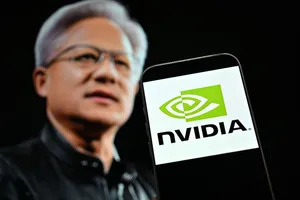
Jensen Huang’s return as CEO added more than $952 billion to Nvidia’s market value on Monday. Yet, for retail investors who spent November buying the stock as it fell, the over 30% rally barely brought the average position back to even, market analyst Stephen Innes said, citing Vanda Research.
NVDA stock slid 24% so far in November, on track to record its second straight month in the red.
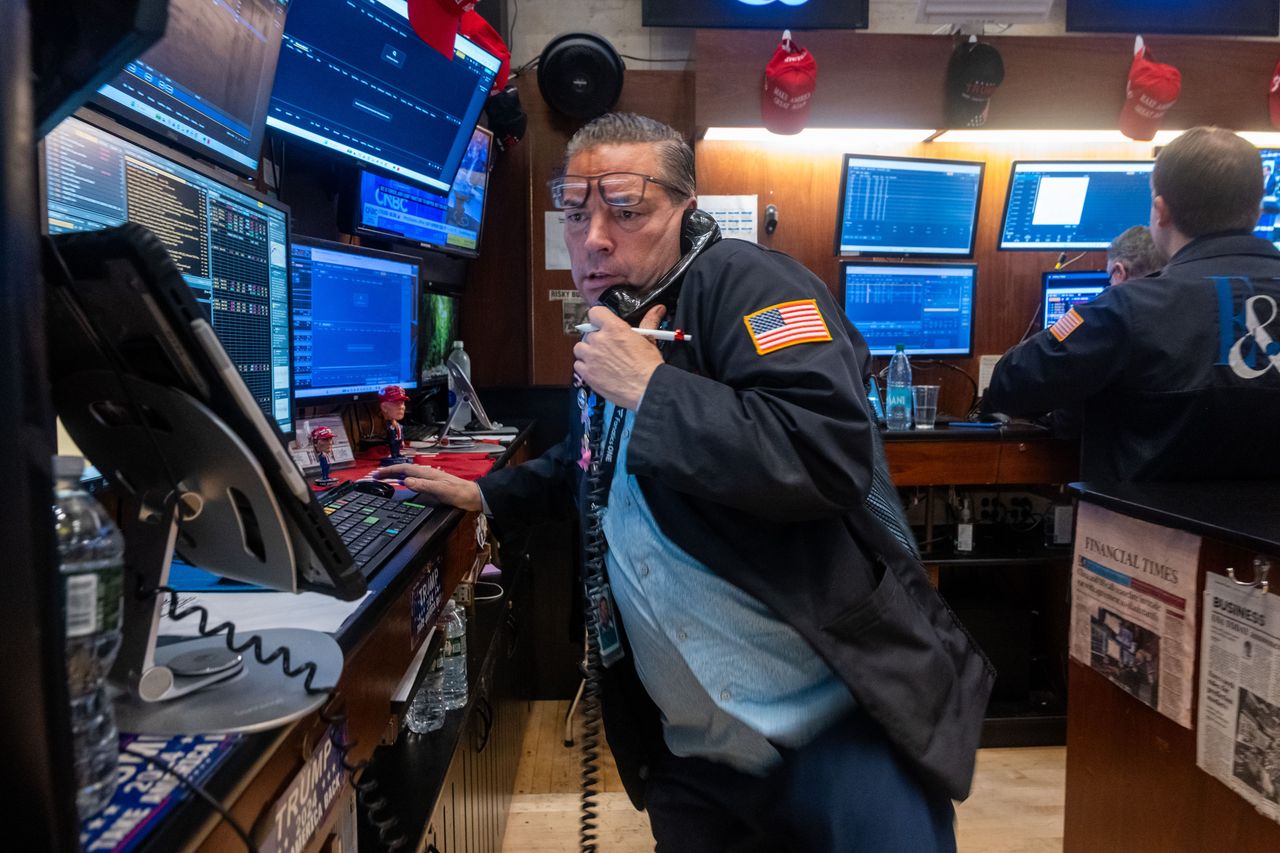
“There is an old trading-desk distinction between making money and recovering losses. Monday was largely a celebration of the latter,” Innes said.
Advertisement|Remove ads.
Last Week’s NVDA Buyers Fared Best
Retail investors bought a net $3.49 billion of Nvidia shares from Nov. 4 through Monday, but the payoff depended on when they bought. Stephen Innes, managing partner at SPI Asset Management, said Nvidia’s dip buyers were “still fighting to break even” in his analysis of Vanda Research data.
“There is an old trading-desk distinction between making money and recovering losses. Monday was largely a celebration of the latter,” he said.
Buyers who stepped in during Nov. 16 to Nov. 20 fared better. They put in a net $1.12 billion at an estimated average price of $148.40 per share. “We estimate that the average retail investor who bought NVDA shares last week is up around 11% today (from being down 15% at Friday’s close),” Vanda said.
Advertisement|Remove ads.
By Tuesday’s close, that gain had narrowed to 4.7% for those who held on. Many earlier buyers were still in the red even after Monday’s rally, according to Vanda.
Retail traders also concentrated their bets. Outside Nvidia and Anthropic, they sold more individual stocks than they bought in 10 of the previous 13 sessions. Meanwhile, SOXL, a fund targeting three times a semiconductor index’s daily return, drew a net $1.25 billion over the latest one-month period, the most in Vanda’s nine years of data.
When Jensen Huang returned to Nvidia, traders who had bet against tech stocks rushed to buy back shares to limit their losses. “Sometimes it simply means too many traders were short, liquidity was thin, and an unexpected catalyst forced everyone through the same door at once,” said Innes.
Advertisement|Remove ads.
Pompliano Says AI Demand Is ‘Still Outstripping Supply’
Investor Anthony Pompliano saw Nvidia’s rally as a vote for Jensen Huang and urged him to replace the board that forced him out. He also expects AI demand to keep pushing stocks higher. “The recent market sell-off gave everyone time to take a deep breath, but demand is still outstripping supply, so we are going much higher,” he said.
Even by Cathie Wood’s ARK estimates, OpenAI and Anthropic more than tripled the capacity they used to answer customer requests over the past year, and revenue per gigawatt still rose.
“The market seems to be afraid of its own shadow,” the firm said. “Historically, fearful markets have provided savvy investors with excellent entry points. ARK suspects that the same is true today.”
Advertisement|Remove ads.
Morningstar: Huang’s Return Eases Chip Delay Risk
Morningstar said Huang’s return makes Nvidia more likely to back smaller AI cloud providers and helps customers count on its next chips arriving on schedule. Export restrictions still cloud sales to Southeast Asian markets where operators rented computing power to Chinese AI developers. “We don’t believe that Nvidia is back to even with the start of the saga,” the firm said.
Nvidia’s board voted unanimously to bring Huang back after consulting senior U.S. officials. It said his return posed no national security risk, while its independent investigation into reports that foreign intelligence had targeted him would continue.
Huang is expected to testify before Congress next week. President Donald Trump reportedly said he would consider a pardon if necessary, but he thinks Huang would be fine without one.
Advertisement|Remove ads.
The Next Test For AI Investors
Meanwhile, AI researcher Gary Marcus pointed to a warning sign for OpenAI’s IPO ambitions. Even after Huang’s return, Anthropic and SpaceX were trading below their offer prices. “If those two stocks stay below their IPO price (or just hover near it, without significant gains), it’s difficult to imagine OpenAI IPOing at anything like the numbers they once envisioned,” he said. He added that a delayed listing could also hurt Nvidia, CoreWeave and Nebius.
Retail Traders Watch NVDA’s Next Move
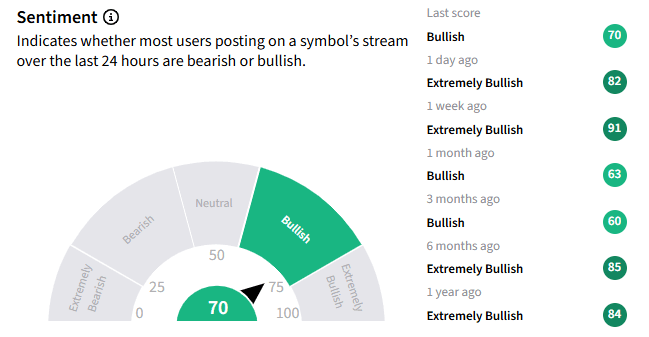
On Stocktwits, retail sentiment for NVDA slipped to ‘bullish’ from ‘extremely bullish’ levels a day ago amid ‘high’ message volume.
One user saw an upside to the scrutiny in Washington, saying, “DC will just bring attention to how innovative $NVDA is.”
Advertisement|Remove ads.
Another user focused on how Nvidia’s customers fund their purchases. “the chip buyer is borrowing more to keep buying. that is a credit chain, not just demand,” the user said.
Advertisement|Remove ads.
So far this year, NVDA has fallen 17%, the steepest decline among the “Magnificent Seven,” while TSLA has dropped 14%, GOOGL and META have each lost 11%, and AAPL, AMZN and MSFT have gained 30%, 9% and 3%, respectively.
For updates and corrections, email newsroom[at]stocktwits[dot]com.
Advertisement|Remove ads.

Latest News
 Yuvraj Malik·7m ago
 Deepti Sri·11m ago
 Aashika Suresh·42m ago
 Anushka Basu·1h ago

 Shivani Kumaresan·1h ago
 Aashika Suresh·1h ago
Comments posted here will also appear on symbol pages.