


Advertisement|Remove ads.
SpaceX IPO Could Trigger Massive ETF Demand From Vanguard, QQQ Within Days, Tesla Influencer Says
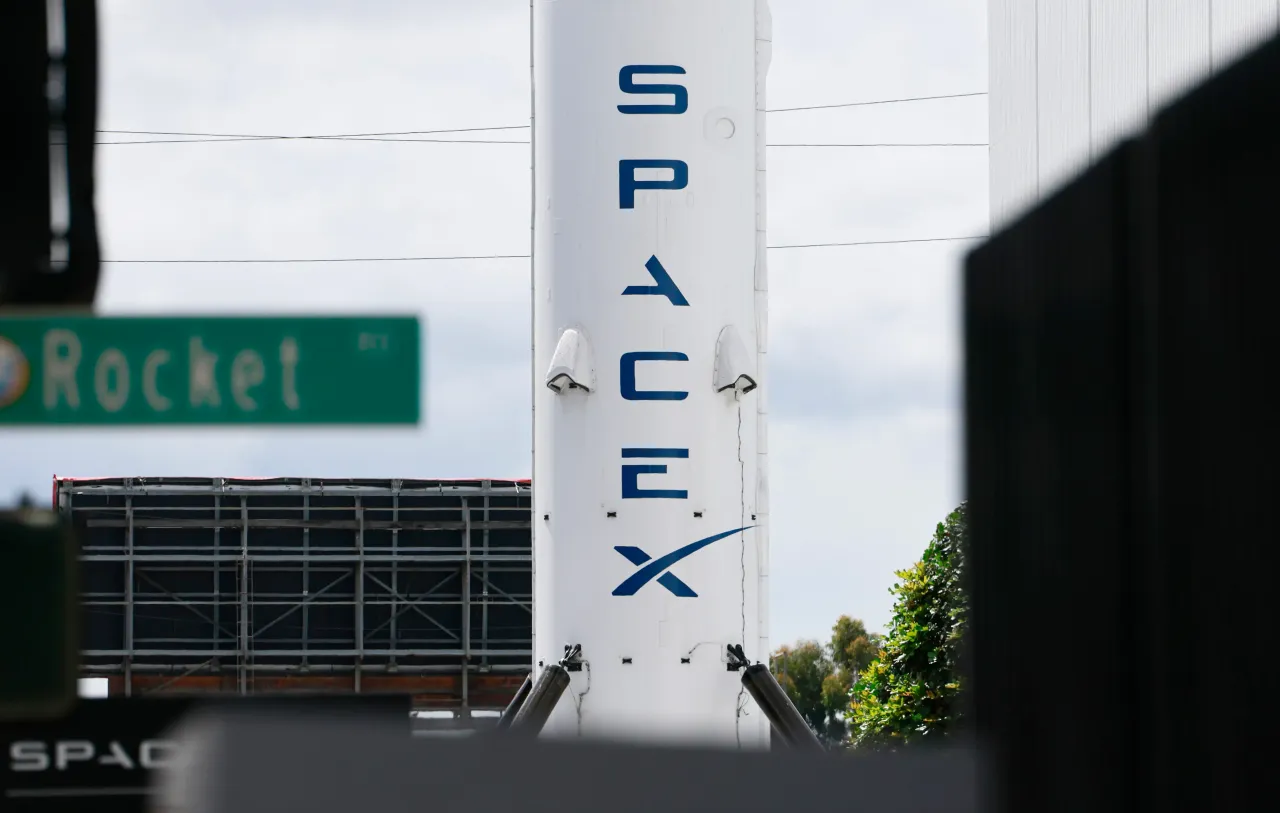


- SpaceX IPO could see immediate passive fund buying, driven by new index rules and tight float, Merz said.
- Nasdaq’s new rule allowing Nasdaq-100 entry in 15 days may accelerate early ETF demand.
- With over $600 billion tracking the Nasdaq-100, funds may need to buy $8 billion to $12 billion in shares around Day 15.
Advertisement|Remove ads.
The much-anticipated SpaceX IPO could see passive funds pile in almost immediately, driven by accelerated index rules and tight float conditions, Alexandra Merz, CEO of L&F Investor Services, said.
Low Float May Fuel Early SpaceX Rally
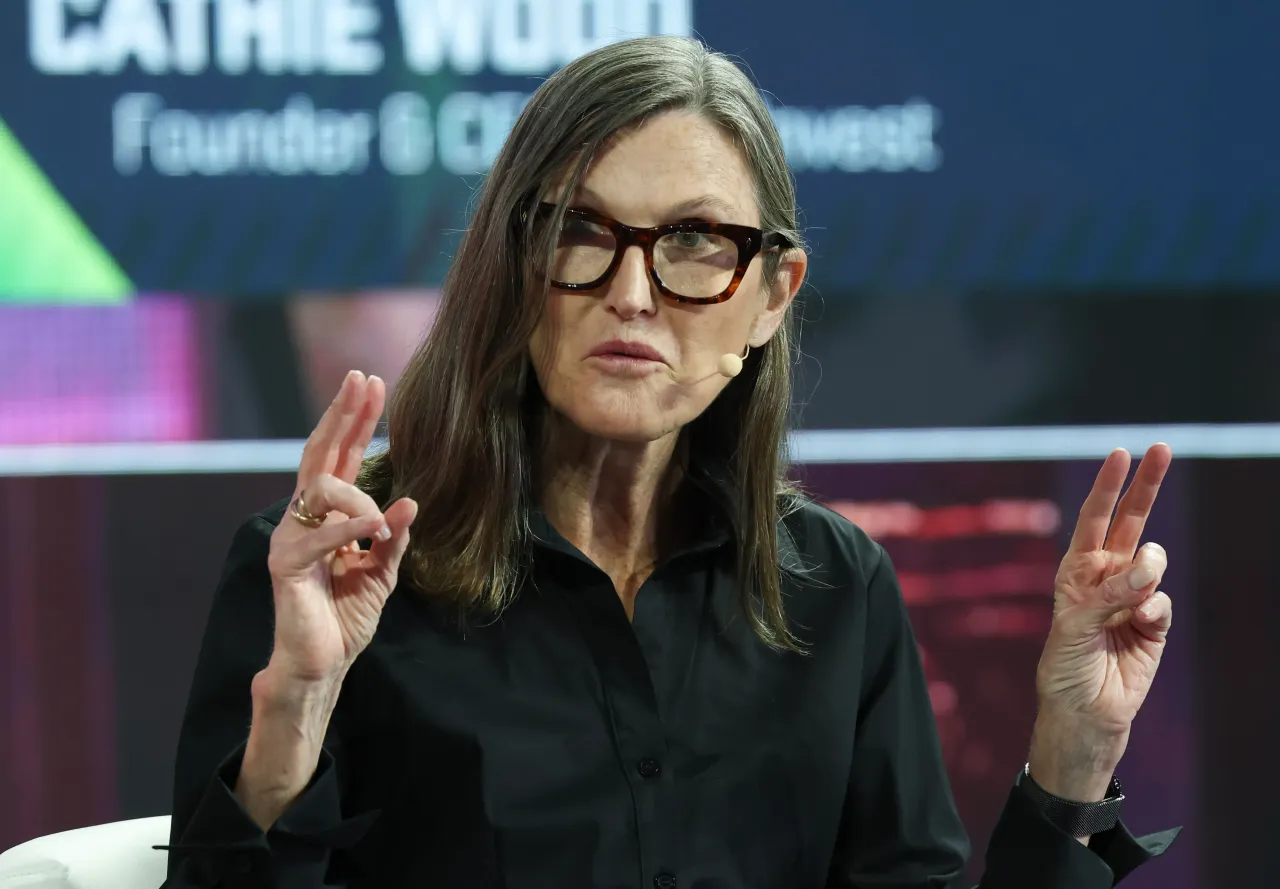
Merz, who posts on X as @TeslaBoomerMama, outlined on X a scenario in which changes across major index providers, combined with a relatively low public float, could compress the usual IPO demand cycle and accelerate institutional flows.
Merz said that the recent changes to Nasdaq rules allowing top IPOs to enter the Nasdaq-100 after just 15 trading days could bring forward large-scale passive buying. “My best guess: SpaceX IPOs on the Nasdaq in the second half of June 2026, at a ~$1.75 trillion market cap,” she said.
Advertisement|Remove ads.
“The listing could be explosive for index investors,” she added, pointing to rule changes that ease traditional seasoning and liquidity requirements. With over $600 billion tracking the Nasdaq-100, she said passive funds could be required to buy $8 billion to $12 billion worth of SpaceX shares around Day 15, even before full price discovery.
Merz added that FTSE Russell benchmarks could contribute another $10 billion to $15 billion in demand, while CRSP indexes tracked by Vanguard, with over $3 trillion in assets, could add an additional $15 billion to $25 billion based on float-adjusted weighting.
Tesla-SpaceX Ties May Boost Flows
Merz said that an expected initial float of 8% to 18%, alongside reports that about 30% of shares could be allocated to retail investors, could amplify early demand. “And most importantly: The Tesla-SpaceX lockstep would let holders of both benefit from the flows,” she said.
Advertisement|Remove ads.
She also pointed to the possibility of partial exits by early investors around Day 15, which could increase available float and support further index inclusion. Additionally, Merz outlined a scenario where SpaceX and Tesla could pursue a merger of equals shortly after the IPO, potentially valuing both companies at similar levels and creating a lockstep relationship between the two stocks through merger arbitrage.
“Overall, these rule changes across providers could trigger one of the fastest passive buying events in index history,” she said.
S&P, Nasdaq Changes Could Drive Demand
The IPO is being influenced by sweeping changes across index providers as they prepare for a new wave of mega-cap listings. Nasdaq has introduced fast-track inclusion rules that allow the largest IPOs to enter the Nasdaq-100 in as little as 15 trading days, while also revising its float-weighting framework to accommodate low-float companies. Meanwhile, FTSE Russell has aligned its free-float methodology to enable broader inclusion, while CRSP indexes, tracked by Vanguard funds with over $3 trillion in assets, already allow relatively rapid additions based on float-adjusted market cap.
Advertisement|Remove ads.
At the same time, S&P Dow Jones Indices has proposed easing long-standing eligibility requirements, including reducing waiting periods for IPO inclusion, removing profitability constraints, and waiving minimum float thresholds for the largest companies.
How Do Retail Traders Feel About TSLA And SPACEX?
On Stocktwits, retail sentiment for TSLA stock was ‘extremely bullish’ with ‘low’ message volume, while sentiment for SpaceX remained ‘bearish’ with ‘extremely low’ chatter.
So far this year, TSLA stock has lagged its “Magnificent Seven” peers, making it the group’s second-worst performer, with a 13% decline.
Advertisement|Remove ads.
For updates and corrections, email newsroom[at]stocktwits[dot]com.
Read Next: CAPR Stock In Focus: Ex-Exec Eyed For FDA Role Says Drug Approvals Are Not ‘Best-In-Class’ Signals
Comments posted here will also appear on symbol pages.

Latest News
/filters:format(webp)https://news.stocktwits-cdn.com/large_Getty_Images_2200882557_jpg_53f3e467bc.webp)
/filters:format(webp)https://st-everywhere-cms-prod.s3.us-east-1.amazonaws.com/i_OS_App_Icon_1_8054f2a2fe.png) Stocktwits News Desk·33m ago
Stocktwits News Desk·33m ago/filters:format(webp)https://news.stocktwits-cdn.com/gettyimages_2267701500_594x594_1cfbb8b517.jpg)
/filters:format(webp)https://news.stocktwits-cdn.com/1707726834303_jpg_11f20a9aa9.webp) Shashank Nayar·5h ago
Shashank Nayar·5h ago/filters:format(webp)https://news.stocktwits-cdn.com/large_Getty_Images_1503993596_8deb3f6bd9.jpg)
/filters:format(webp)https://news.stocktwits-cdn.com/unnamed_jpg_9dff551b50.webp) Anan Ashraf·5h ago
Anan Ashraf·5h ago/filters:format(webp)https://news.stocktwits-cdn.com/large_Getty_Images_2247481493_2752b5d809.jpg)
/filters:format(webp)https://news.stocktwits-cdn.com/Prabhjote_DP_67623a9828.jpg) Prabhjote Gill·6h ago
Prabhjote Gill·6h ago/filters:format(webp)https://news.stocktwits-cdn.com/large_Getty_Images_1411089032_84de9393bb.jpg) Shashank Nayar·6h ago
Shashank Nayar·6h ago/filters:format(webp)https://news.stocktwits-cdn.com/large_Getty_Images_507531870_jpg_6497bb5caf.webp)
/filters:format(webp)https://news.stocktwits-cdn.com/vivekkrishnanphotography_58_jpg_0e45f66a62.webp) Arnab Paul·6h ago
Arnab Paul·6h ago