


Advertisement|Remove ads.
USO ETF Eyes Record Year As Trump Weighs Iran Escalation — US Seen As Oil Market’s ‘Supplier Of Last Resort’
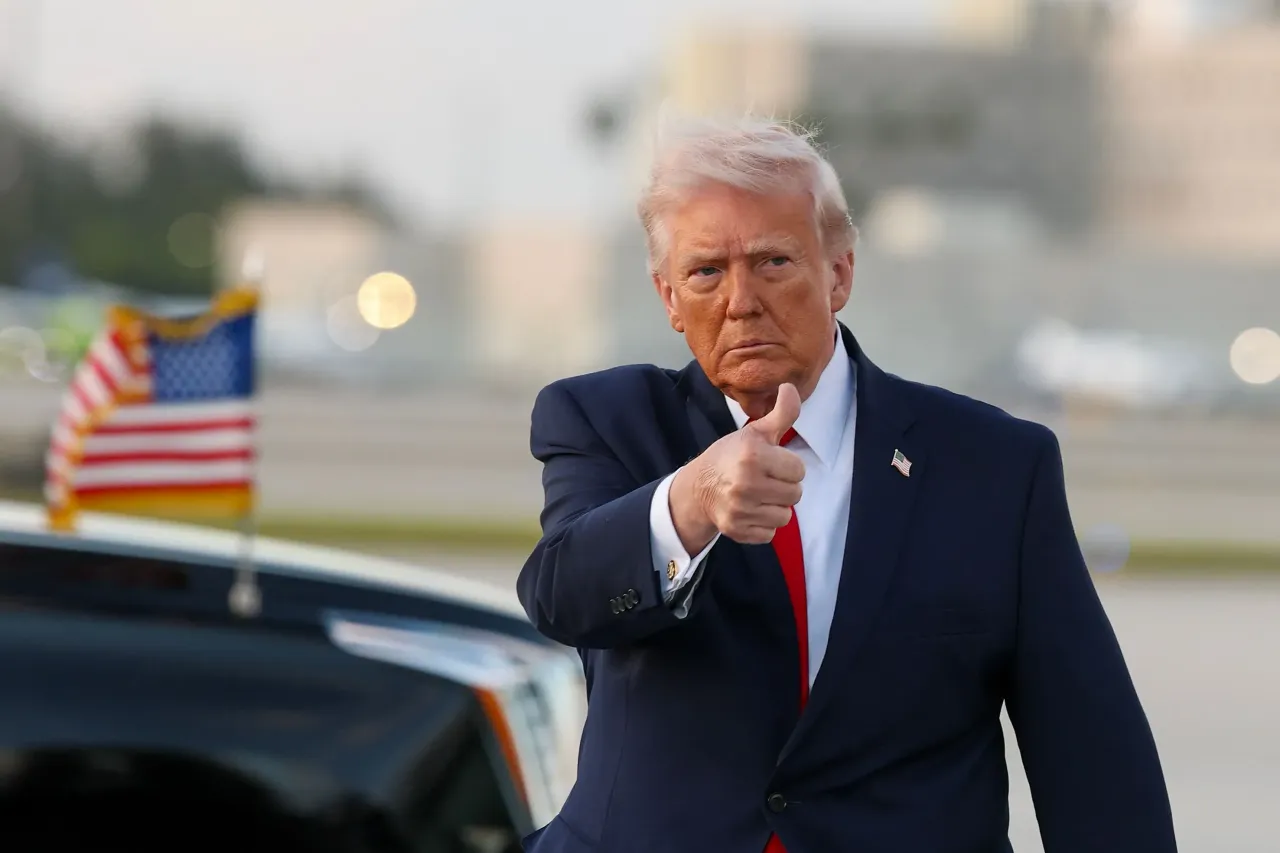


- Crude prices jumped, with Brent at $125 and WTI around $110, putting both benchmarks on track for a fourth consecutive month of gains.
- Trump is reportedly reviewing potential military strike options against Iran.
- The U.S. continues enforcing a naval blockade on Iranian ports, while reduced tanker movement through Hormuz has tightened global supply routes.
Advertisement|Remove ads.
Shares of the United States Oil Fund ETF (USO) are tracking a record year amid the ongoing US-Iran war, with oil prices jumping on fresh risks around the Strait of Hormuz after U.S. President Donald Trump reportedly reviewed fresh military options targeting Iran.
USO ETF has already risen 128% so far this year. On Wednesday, shares climbed nearly 8% to $150.63.
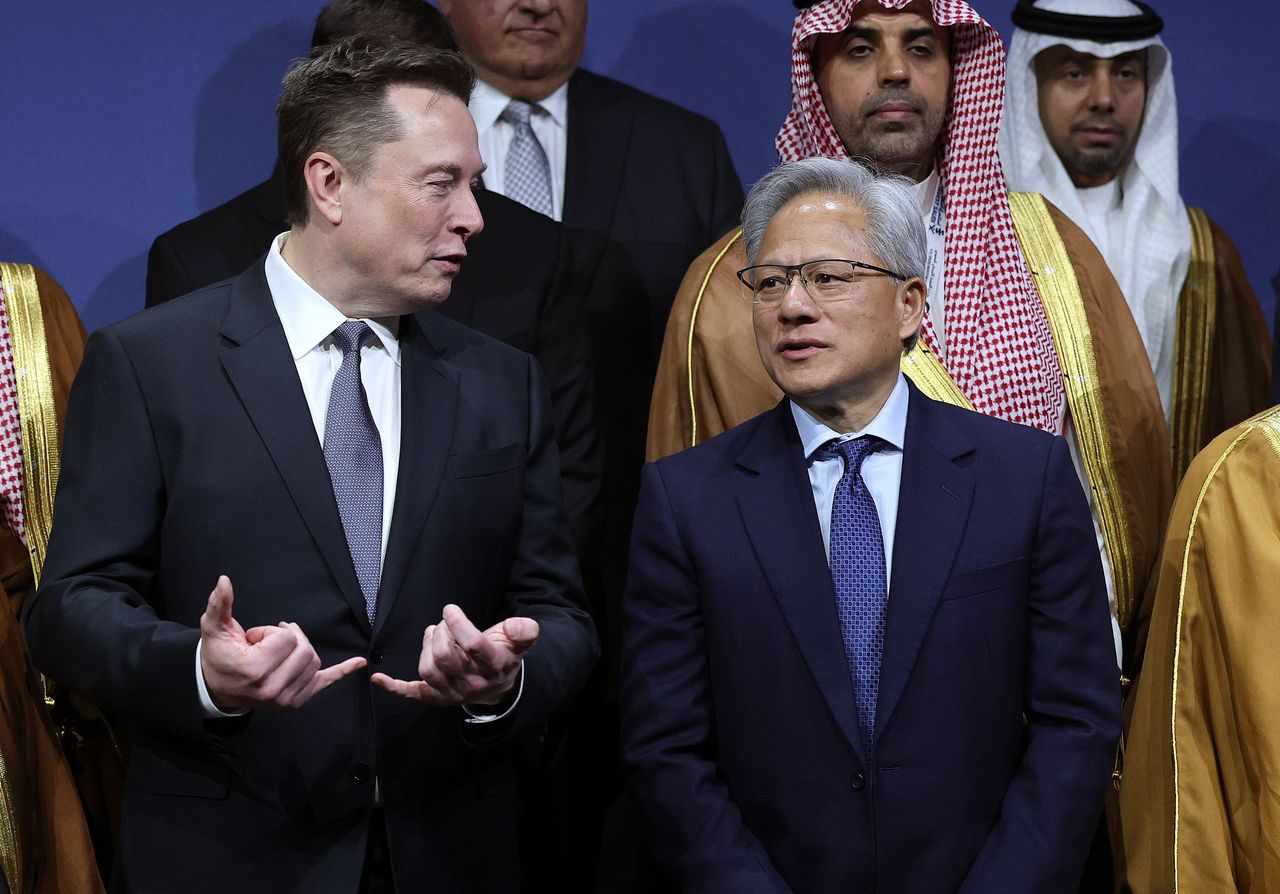
USO Tracks Oil Rally As Hormuz Risks Mount
The move comes as investors increasingly position for a prolonged disruption to Middle East supply flows and a stronger role for U.S. exports in stabilizing global energy markets.
Advertisement|Remove ads.
Brent crude traded near $125 per barrel, while U.S. benchmark WTI hovered around $110, putting both contracts on track for a fourth straight month of gains. Reports that Washington is evaluating strike scenarios and contingency plans to secure shipping access through Hormuz have raised expectations that global oil supply could remain tight through peak summer demand.
Fund disclosures show that about 86% of USO’s holdings are in near-dated WTI crude futures. This structure makes the ETF particularly sensitive to geopolitical supply shocks, allowing it to track short-term price spikes more closely than other diversified energy-sector funds.
Trump Reviews Iran Strike Options
Trump is reportedly scheduled to receive a briefing on potential military options against Iran, including a possible “short and powerful” wave of strikes targeting infrastructure aimed at breaking the negotiating deadlock. Officials are also reviewing contingency plans to secure parts of the Strait of Hormuz and reopen shipping routes through the corridor, Axios reported.
Advertisement|Remove ads.
Meanwhile, Washington has continued enforcing a naval blockade on Iranian ports, which the administration views as a key source of leverage in negotiations over Tehran’s nuclear program.
“Iran can’t get their act together. They don’t know how to sign a nonnuclear deal. They better get smart soon,” Trump said in a Truth Social post on Wednesday.
The conflict has already led to a sharp reduction in shipping through Hormuz after earlier air strikes involving the U.S. and Israel triggered retaliatory restrictions from Iran, tightening global supply routes that handle a significant share of Middle East crude exports.
Advertisement|Remove ads.
Analysts See Lasting Supply Shock From Hormuz Crisis
Analysts are now seeing oil markets shift from pricing short-term geopolitical risk to preparing for a deeper and more persistent disruption across global export flows as shipping constraints around the Strait of Hormuz show little sign of easing.
TradeStation’ said that the U.S. is becoming “the supplier of last resort for an oil-starved world,” adding that the Hormuz crisis is continuing to squeeze fuel availability ahead of peak driving season. IG strategist Tony Sycamore said that prospects for any near-term reopening of the Strait remain dim, WSJ noted.
Saxo Bank analyst Ole Hansen said that the market is “no longer pricing the disruption as a short-lived front-month squeeze,” pointing to strength across longer-dated crude contracts as evidence that traders are preparing for infrastructure damage, reduced regional production flexibility and the eventual rebuilding of depleted reserves.
Advertisement|Remove ads.
How Do Retail Traders Feel About USO?
On Stocktwits, retail sentiment for USO improved to ‘neutral’ from ‘bearish’ levels a day ago amid an 80% jump in 24-hour message volume.

One user said, “Trump set in the twits so he can de-escalate and negotiate with a levarage, or just trap the longs on oil”
Advertisement|Remove ads.
Another user said, “How are people okay buying this at these prices? Isn't this extremely dangerous? Iran and US both want to get this done with. They’ll make a deal eventually but damn, a single peace tweet would send this down 25%.”
USO ETF has surged nearly 130% over the past year.
Advertisement|Remove ads.
For updates and corrections, email newsroom[at]stocktwits[dot]com.
Comments posted here will also appear on symbol pages.

Latest News
/filters:format(webp)https://news.stocktwits-cdn.com/large_Getty_Images_2247481493_2752b5d809.jpg)
/filters:format(webp)https://news.stocktwits-cdn.com/Prabhjote_DP_67623a9828.jpg) Prabhjote Gill·5m ago
Prabhjote Gill·5m ago/filters:format(webp)https://news.stocktwits-cdn.com/large_Getty_Images_1411089032_84de9393bb.jpg)
/filters:format(webp)https://news.stocktwits-cdn.com/1707726834303_jpg_11f20a9aa9.webp) Shashank Nayar·8m ago
Shashank Nayar·8m ago/filters:format(webp)https://news.stocktwits-cdn.com/large_Getty_Images_507531870_jpg_6497bb5caf.webp)
/filters:format(webp)https://news.stocktwits-cdn.com/vivekkrishnanphotography_58_jpg_0e45f66a62.webp) Arnab Paul·8m ago
Arnab Paul·8m ago/filters:format(webp)https://news.stocktwits-cdn.com/large_Getty_Images_1358625679_989f4bbe75.jpg)
/filters:format(webp)https://news.stocktwits-cdn.com/unnamed_jpg_9dff551b50.webp) Anan Ashraf·10m ago
Anan Ashraf·10m ago/filters:format(webp)https://news.stocktwits-cdn.com/large_Starlink_jpg_9ee1fff146.webp) Anan Ashraf·39m ago
Anan Ashraf·39m ago/filters:format(webp)https://news.stocktwits-cdn.com/gettyimages_2297721790_612x612_7ed81ac2ea.jpg) Shashank Nayar·2h ago
Shashank Nayar·2h ago