


SHY News
The Weekly Spread: What Shaped US Treasury Yields And The Dollar This Week
U.S. Treasury yields dropped across tenures in the week ending November 20 as anxiety over valuations and the overall AI trade pushed investors towards safer assets.
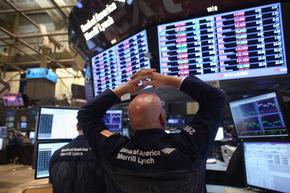
The Weekly Spread: What Shaped US Treasury Yields And The Dollar This Week
U.S. Treasury yields dropped across tenures in the week ending November 20 as anxiety over valuations and the overall AI trade pushed investors towards safer assets.
Federal Reserve Bank of New York President John Williams said Tuesday that soaring AI capex and investment may warrant additional rate hikes in 2027.

U.S. Treasuries across tenures staged a reversal from the past week as hotter-than-expected inflation and hawkish interest rate rhetoric pushed yields higher in the week ending November 13, 2026.

A dramatic political shift in the U.S. midterm elections and a severe tech stock selloff drove a massive flight to safety, sending Treasury yields tumbling across all maturities so far this week as of Nov. 5.

A steep selloff in artificial intelligence equities and surging credit risk premiums prompted investors to flee to safety, driving 10-year and 2-Year Treasury yields lower for the week ending Oct. 30.
A steep selloff in artificial intelligence equities and surging credit risk premiums prompted investors to flee to safety, driving 10-year Treasury yields below 5% for the first time in a month while boosting bond ETF inflows.

According to the Yardeni Research note, the experimental Claude-built tool suggests that while an AI bubble exists, the credit and interest-rate pressures associated with previous market downturns have not fully emerged.
An accelerating rout in AI stocks sent the U.S. dollar to its worst weekly drop in a month while Treasuries resumed their slide for the week ending Oct. 16.

Billionaire investor Ray Dalio warns that mounting sovereign debt refinancing and waning international interest threaten to deepen the protracted downturn in U.S. Treasuries.
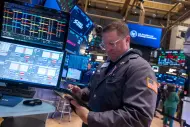
Surging crude oil prices and sticky inflation expectations kept U.S. Treasuries elevated for the week ending October 9, 2026, propelling the U.S. dollar to its longest weekly winning streak in over a year and a half.